

Country music legend Tanya Tucker stood before a Senate panel this month and offered testimony that has left observers wondering whether one of the largest energy initiatives in Texas history could be derailed. Her words carried weight far beyond the hearing room, drawing fresh scrutiny to a fifteen billion dollar plan for new power lines meant to serve expanding oil and gas operations. In an unexpected turn, the discussion quickly centered on what observers now refer to as the Tanya Tucker transmission question, blending cultural influence with policy debate in ways few anticipated.
The Singer Steps Into Policy Debates

Tucker has long been known for her powerful performances, yet her recent appearance marked a clear shift toward civic engagement. Lawmakers listened as she described the landscapes she grew up visiting and the communities she fears could be altered by extensive new infrastructure. Her presence turned what might have been a routine committee session into a widely watched event, prompting renewed questions about how cultural figures can shape conversations around energy development.
Details of the Proposed Power Lines

The project in question would stretch across hundreds of miles in western Texas, connecting remote generation sites to urban centers. Supporters argue it would improve reliability and support growing industrial demand. Critics, however, point to potential effects on rural property values and wildlife corridors, concerns Tucker highlighted during her remarks. The scale alone has made the plan a focal point for both industry advocates and conservation groups.
Environmental Concerns Raised at the Hearing

During the session, Tucker emphasized the need to protect open spaces that have defined the region for generations. She spoke of increased noise, visual changes to the horizon, and possible strain on water resources. Committee members from both parties asked follow up questions, revealing a divide over whether the benefits of expanded transmission capacity outweigh the long term alterations to the land.
Industry Response and Economic Arguments

Representatives from energy companies defended the initiative as essential for meeting future electricity needs. They noted that without upgraded lines, reliability risks could rise during peak periods. Tucker acknowledged the importance of stable power but insisted that alternatives, such as localized generation, deserve fuller exploration before committing to such an expansive network.
Public Reaction Across Texas

Since the hearing concluded, social media and local town halls have seen heightened activity. Residents in affected counties have organized meetings to discuss next steps, while some state legislators have introduced measures calling for additional studies. The phrase Tanya Tucker transmission has appeared in opinion pieces and radio segments, illustrating how one testimony can elevate an issue in the public mind.
Historical Context of Transmission Projects
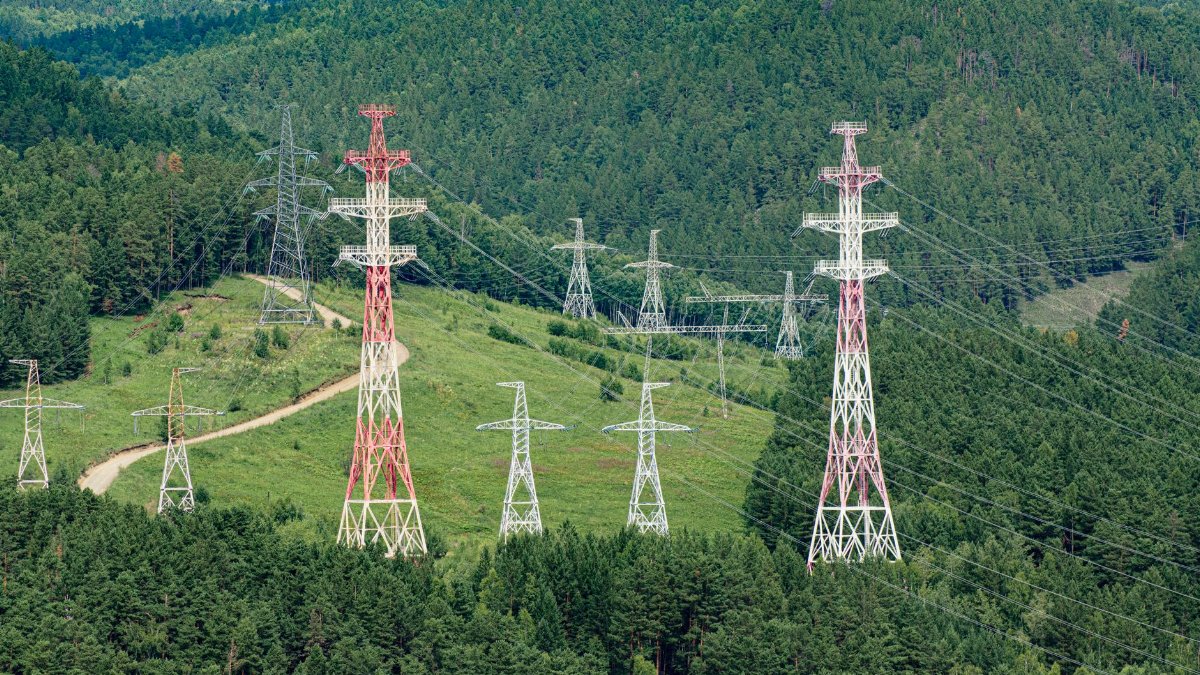
Texas has seen similar debates in past decades when new lines were proposed to move power from wind rich areas to cities. Each case involved tradeoffs between growth and preservation. Tuckers intervention echoes earlier disputes yet stands out because of her stature as a native artist with deep roots in the state.
Possible Legislative Outcomes
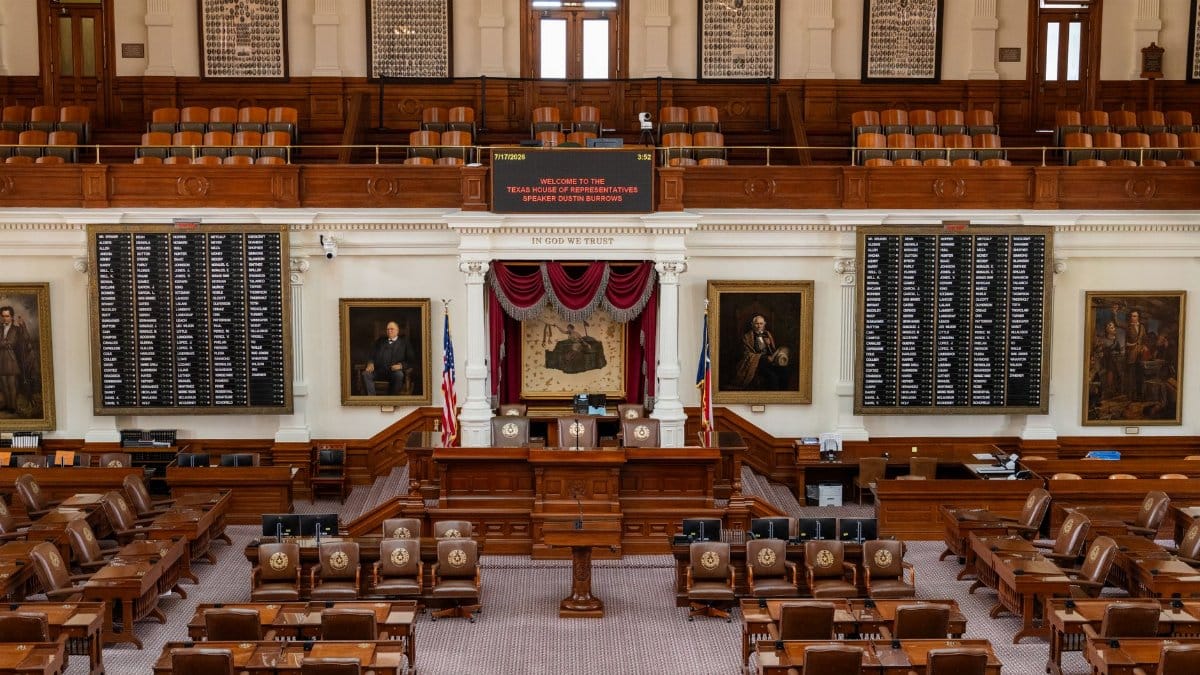
Committee staff indicated that further review could delay approvals by many months. Several senators signaled openness to revising the route or scaling back portions of the project. Observers note that sustained attention from figures like Tucker may encourage more public comment periods and greater transparency in planning processes.
Broader Implications for Cultural Voices

The episode illustrates a growing trend in which artists and entertainers lend visibility to policy matters once considered the domain of specialists alone. Whether this leads to lasting changes in how hearings are conducted remains uncertain, yet the current moment shows that personal stories can still influence technical discussions. Tuckers measured tone, paired with her evident knowledge of the land, offered a model for others considering similar involvement.