
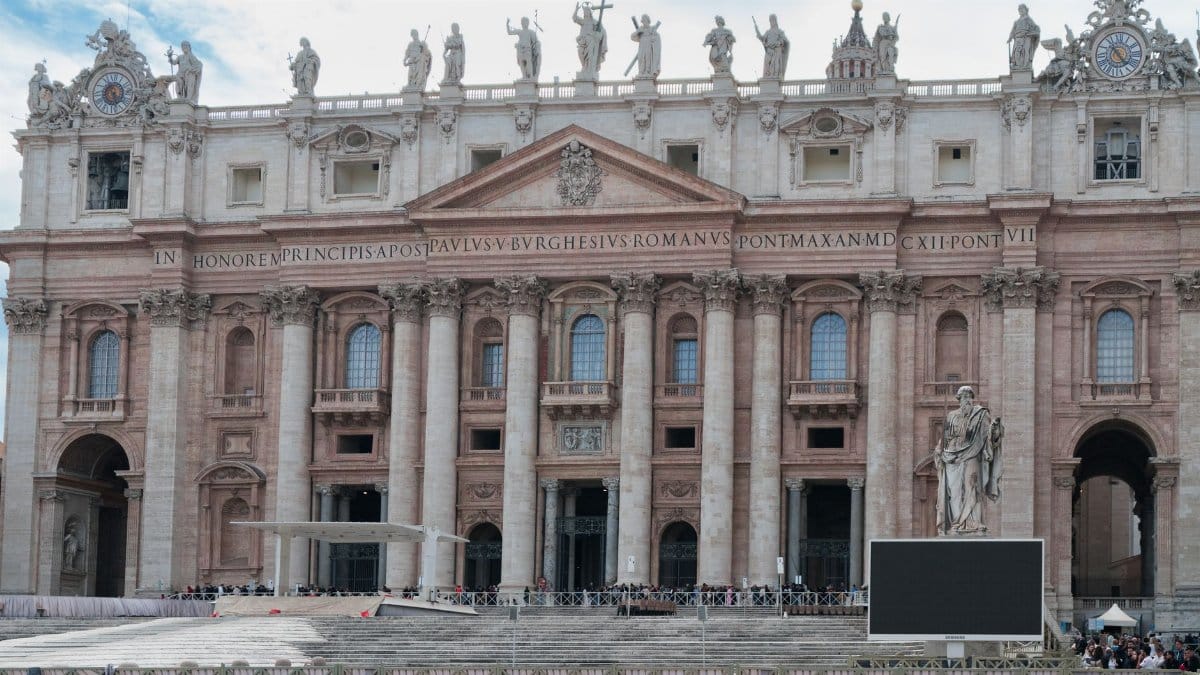
In recent years the Catholic Church has navigated complex questions of doctrine and governance with steady resolve. A notable development emerged when Pope Leo XIV chose to elevate a prominent American leader to one of the institutions highest judicial posts. Archbishop Cordileone now joins the Apostolic Signatura for a five year term bringing decades of pastoral experience to the role. Observers note that such appointments often signal broader priorities within the Vatican structure. The move places renewed attention on how American dioceses intersect with global church affairs. Many in the faithful community see this as a moment that could influence future interpretations of canon law across continents. Discussions among theologians already touch on potential shifts in how appeals and administrative cases reach resolution at the highest levels.
Understanding the Apostolic Signatura Role
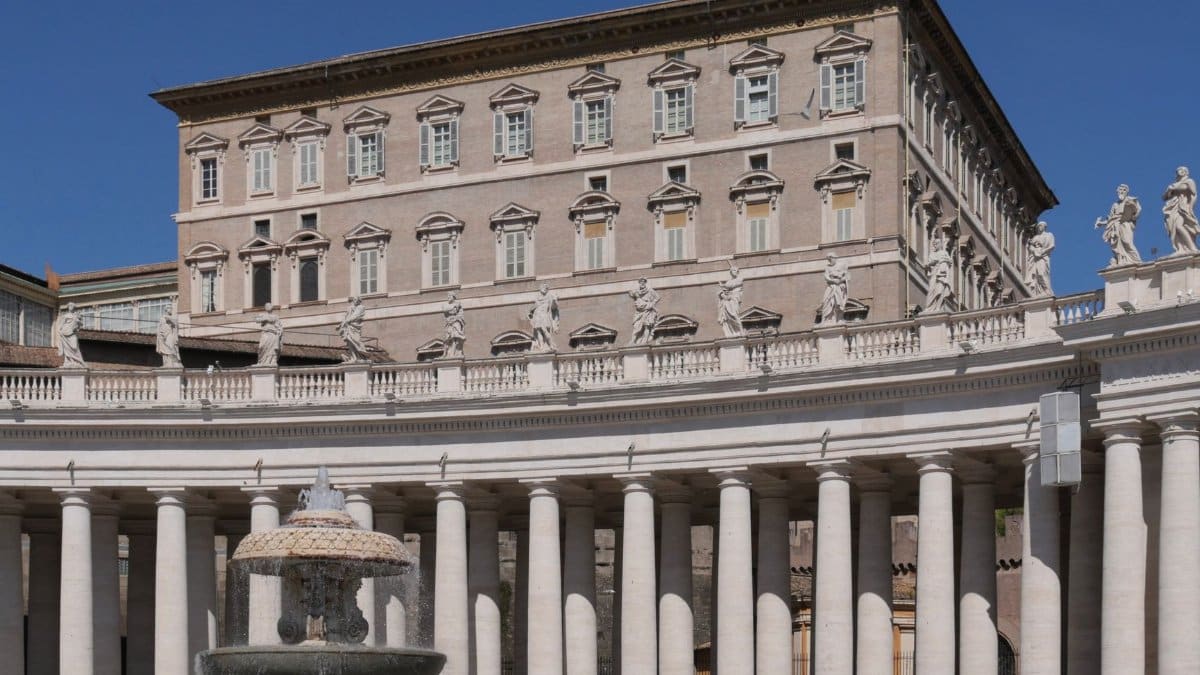
The Apostolic Signatura stands as the supreme judicial body within the Catholic Church handling appeals from lower tribunals and reviewing administrative decisions. Its work touches on matters ranging from marriage annulments to disputes over church property and clerical discipline. Serving on this court requires deep familiarity with canon law alongside a measured approach to sensitive cases. The five year appointment allows the new member to contribute to ongoing deliberations that shape how justice is administered worldwide. Observers point out that the court maintains a low public profile yet its rulings carry lasting weight for dioceses everywhere.
Background on the Recent Vatican Decision
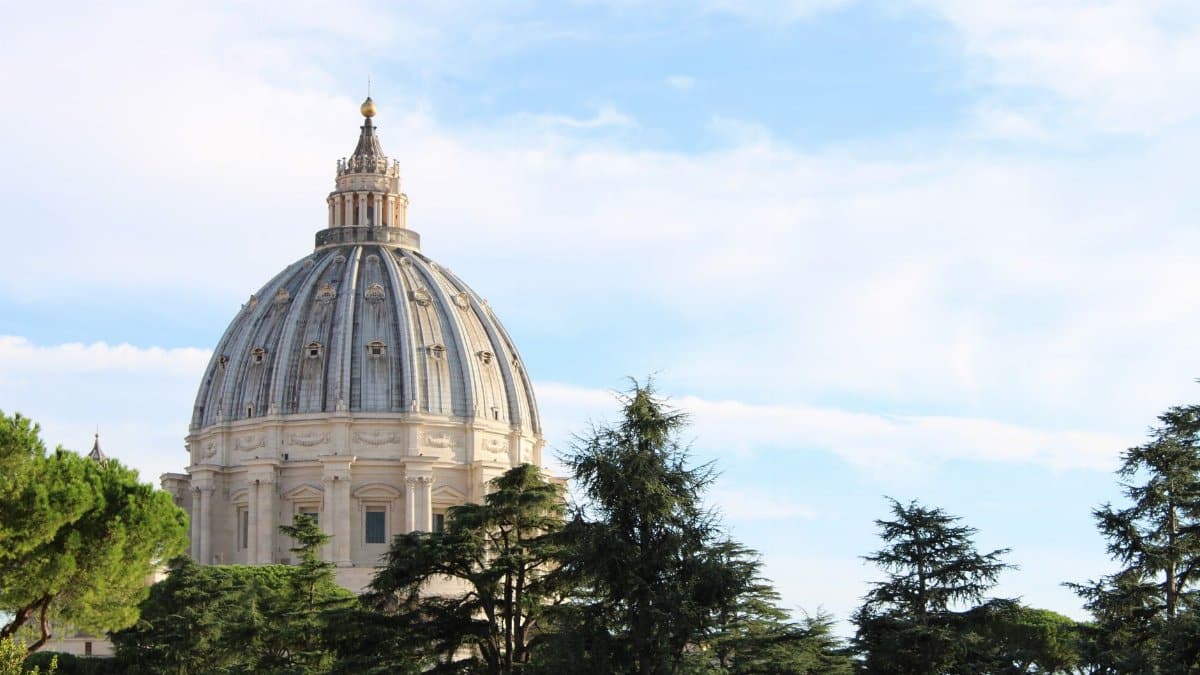
Pope Leo XIV announced the selection after careful consultation with advisors familiar with the needs of the Signatura. The choice reflects a desire to include voices with extensive experience in large urban dioceses. San Francisco presents unique challenges including diverse populations and evolving social issues that test traditional pastoral methods. The appointment underscores an interest in blending American perspectives with longstanding Vatican traditions. Church officials have described the process as deliberate and focused on proven administrative skill.
Archbishop Cordileone Contributions in San Francisco

Throughout his tenure in the Bay Area the archbishop has emphasized outreach programs aimed at supporting families and addressing homelessness. Local initiatives have included partnerships with civic groups to provide shelter and counseling services. These efforts demonstrate a commitment to practical charity alongside spiritual guidance. Parish leaders report steady engagement from community members who appreciate the focus on everyday concerns. The approach has drawn both praise and constructive feedback from within the diocese.
Implications for American Catholic Leadership
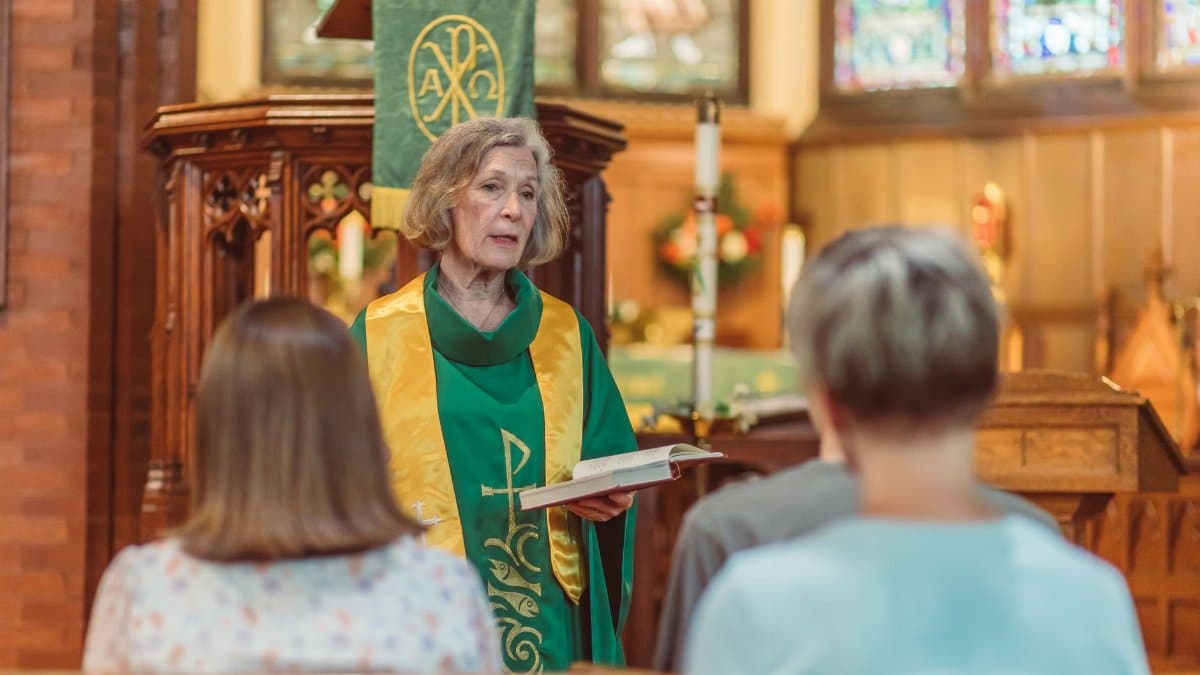
This development arrives at a time when United States bishops continue to address questions of unity and mission in a changing society. The presence of an American voice on the Signatura may encourage greater dialogue between Rome and North American dioceses. Some analysts suggest the move could help bridge cultural differences that sometimes surface in global church discussions. It also highlights the growing role of regional leaders in shaping policies that affect millions of Catholics.
Canon Law Perspectives on Judicial Appointments

Canon law experts explain that selections to the Signatura follow established procedures designed to ensure competence and balance. Candidates undergo review for their record in handling complex cases at the diocesan level. The emphasis rests on individuals who combine legal acumen with pastoral sensitivity. This framework helps maintain consistency in how the church interprets its own rules across varied contexts.
Public Reactions Within the Faithful Community
Responses from lay Catholics and clergy have included expressions of support for the recognition of steady service. Some see the appointment as validation of work already underway in western dioceses. Others view it as an opportunity to bring fresh insights into Vatican proceedings. Informal gatherings at parishes have featured conversations about what the role might mean for future church directions.
Historical Context of Similar Vatican Appointments
Past selections to high judicial posts have often drawn from leaders with strong records in education or administration. The pattern reveals a preference for those who have managed large institutions while upholding core teachings. Over time such appointments have contributed to refinements in how the church handles internal matters. The current choice continues that tradition with attention to contemporary realities.
Future Outlook for Church Governance

Looking ahead the five year term offers scope for meaningful participation in cases that may set precedents. The archbishop brings experience from a diocese known for its cultural diversity and active civic life. Church observers will watch how these elements inform contributions at the Signatura. The outcome could influence perceptions of American influence within the broader institution for years to come.