
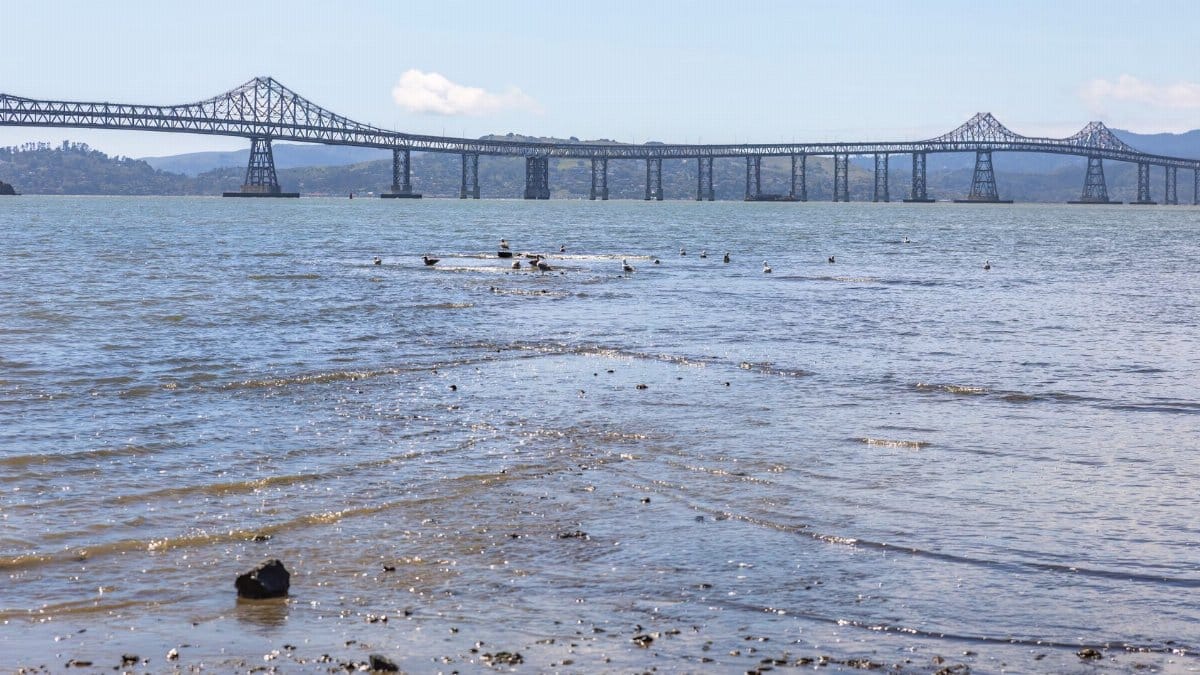
Mild conditions have prevailed in recent days across Northern California. Experts anticipate that this pattern will soon transition as the Bay Area heat wave develops in early August. Such events can influence everything from outdoor activities to energy consumption. Communities are beginning to discuss strategies for managing the upcoming warmth. Local authorities emphasize the importance of staying informed through reliable channels. The situation highlights how weather patterns can affect large populations in unexpected ways. Preparation now can reduce potential disruptions later on.
Regional Forecast Overview

Temperatures are projected to climb gradually. Inland areas may see the highest readings. Coastal zones could remain somewhat moderated by ocean influences. Residents should monitor updates from meteorological services. This event marks a notable departure from recent norms.
Effects on Daily Life

People may adjust their schedules to avoid peak heat hours. Hydration becomes essential for everyone. Those with health concerns are encouraged to take extra precautions. Public spaces might see increased use of cooling centers.
Historical Comparisons

Past episodes of intense warmth offer context for what lies ahead. Records show similar periods have tested infrastructure and community resources. Lessons from those times remain relevant today as planners review past responses.
Health Considerations

Medical professionals advise vigilance for signs of heat related stress. Vulnerable groups include the elderly and young children. Access to shaded areas and adequate fluids can make a difference in outcomes.
Energy Demands
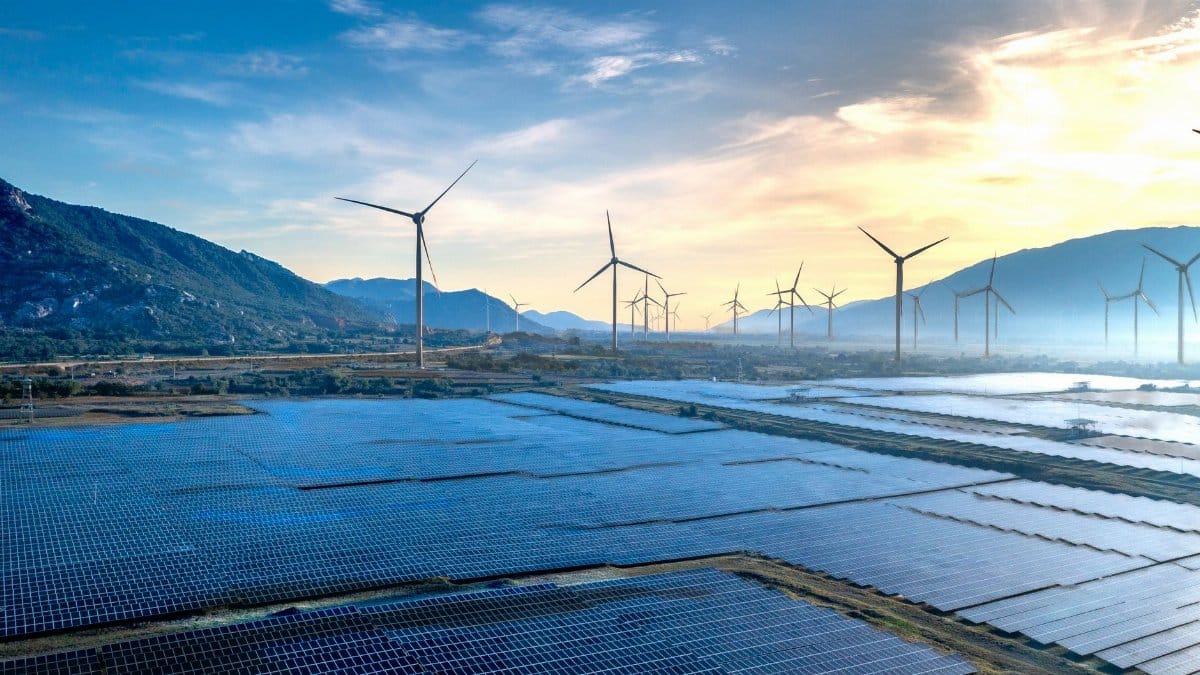
Utilities anticipate higher usage as air conditioning runs more frequently. Grid operators have plans in place to maintain stability. Consumers can contribute by conserving power during peak periods.
Environmental Context
Broader climate trends provide background for current forecasts. Dry conditions in surrounding regions add to the complexity. Observers note connections between global patterns and local experiences.
Community Responses

Local organizations are organizing support efforts. Libraries and recreation centers often extend hours during warm spells. Neighbors check on one another to ensure safety.
Economic Implications

Businesses in tourism and agriculture watch developments closely. Outdoor events may require modifications. Supply chains for certain goods could face temporary adjustments.
Preparation Advice
Officials recommend stocking supplies in advance. Checking vehicle cooling systems helps prevent issues on the road. Families benefit from having clear communication plans.