
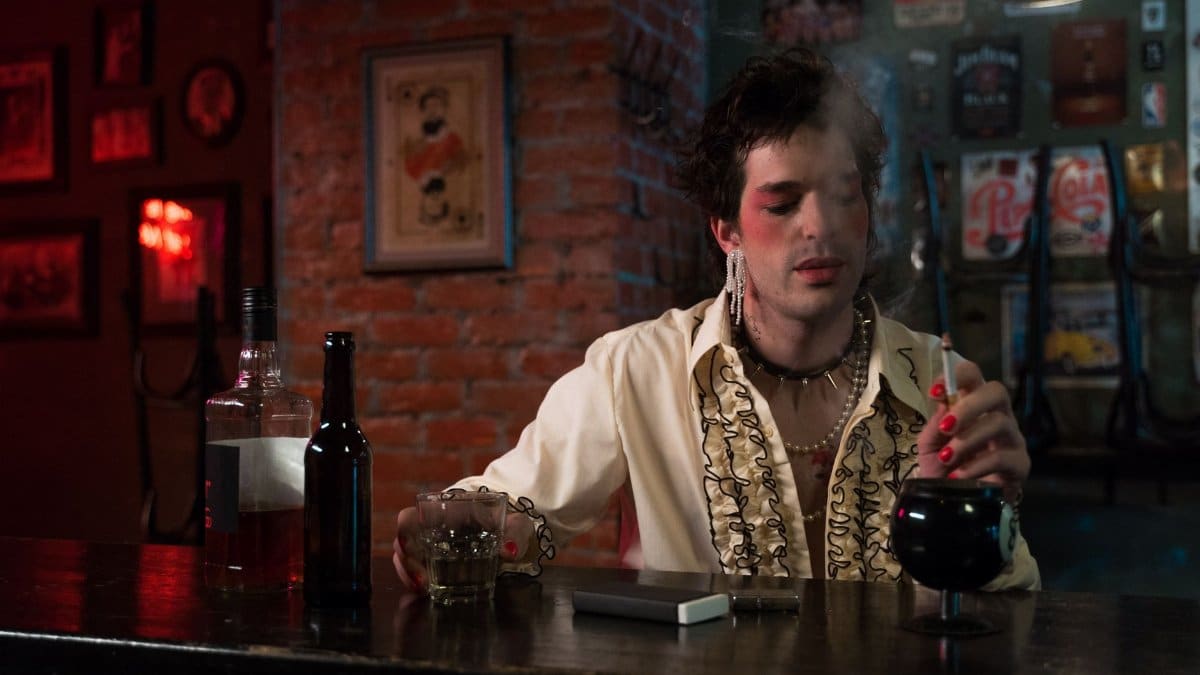
In the heart of San Francisco a storied gathering spot for the citys queer community encountered a sudden online disruption last week. Erroneous alerts about illicit activity prompted a major social platform to pause the accounts activity without prior notice. The Stud bar Instagram account in particular drew scrutiny after staff shared details about an upcoming event focused on transgender visibility. Such platforms often act swiftly on user complaints yet this episode highlighted how quickly misinformation can ripple through digital spaces and affect real world venues that serve as anchors for marginalized groups.
Background of the Establishment
The venue in question has operated for decades as one of the earliest dedicated spaces welcoming gay patrons in the region. Patrons over the years have described it as a place where conversations flow freely and performances showcase local talent. Its endurance through shifting cultural tides reflects broader changes in how society views expressions of identity and desire for connection. Regulars note the importance of physical locations amid growing reliance on virtual interactions.
Nature of the Reports Filed
Complaints emerged around a promotional post that featured inclusive language and imagery tied to the transgender community. Some viewers misinterpreted the content as suggestive of exploitation despite clear context provided by the organizers. Platform algorithms flagged the material leading to a temporary hold on visibility and posting privileges. Staff later confirmed the suspension lasted only hours once the error was reviewed by moderators.
Community Response and Support
Local advocates quickly rallied online and in person to defend the venue. Statements from longtime attendees emphasized the establishments role in fostering acceptance rather than any form of harm. Petitions circulated urging better oversight of complaint systems to prevent similar mishaps. This outpouring underscored the tight bonds within the network of supporters who view such spots as essential for social and emotional well being.
Broader Issues with Platform Moderation
Episodes like this reveal ongoing challenges in balancing safety measures with free expression on large digital services. Automated tools sometimes lack the nuance needed to distinguish genuine concerns from coordinated campaigns or simple misunderstandings. Experts in digital policy suggest that greater transparency in review processes could reduce errors while still addressing legitimate risks. Venues reliant on these channels for promotion face particular vulnerabilities.
Impact on Local LGBTQ Spaces
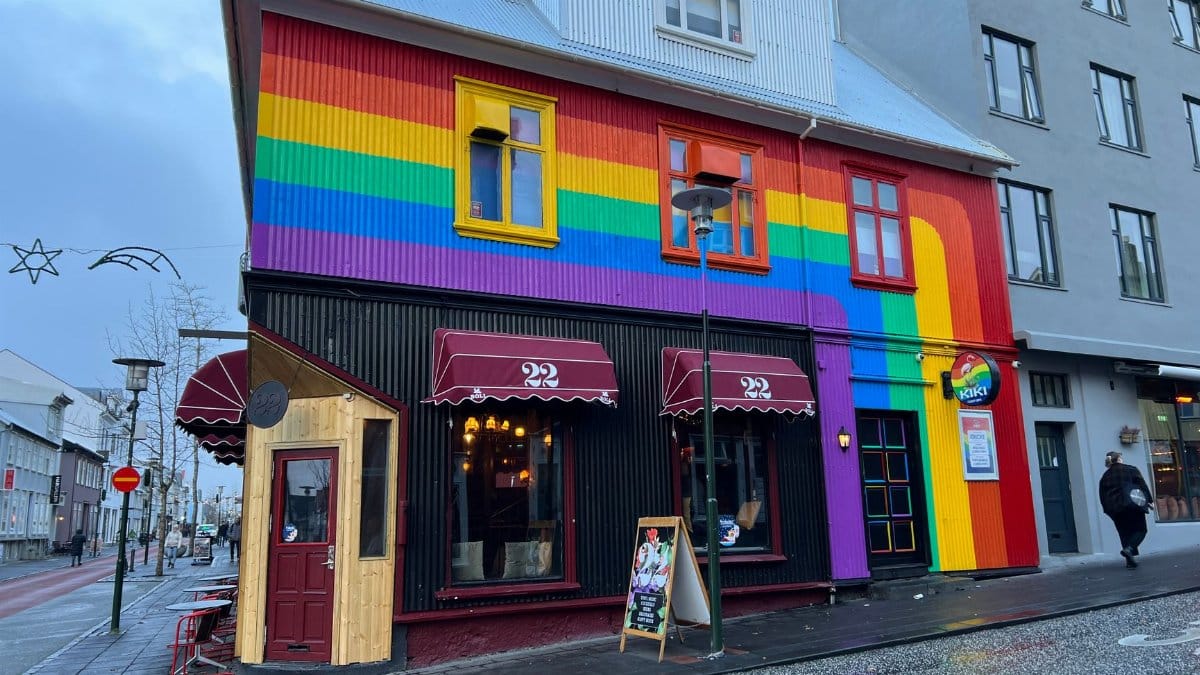
Small businesses catering to specific audiences often depend on social media to reach patrons and announce gatherings. Interruptions even brief ones can affect attendance and revenue at a time when many such establishments already navigate economic pressures. The Stud bar Instagram suspension serves as a reminder of these fragilities in an era of rapid information spread.
Role of Events in Building Connection
Gatherings centered on transgender themes aim to create affirming environments where participants share experiences and build solidarity. Organizers design them with care to promote dialogue and celebration rather than anything untoward. The false association with trafficking claims illustrates how cultural topics can become flashpoints in polarized online discussions.
Lessons for Digital Presence Management

Operators of community focused locations are adapting by diversifying their outreach methods beyond single platforms. Email lists direct mail and partnerships with print outlets provide backups when virtual tools falter. This incident prompted fresh conversations about resilience strategies among similar businesses.
Future Outlook for Such Venues

As societal attitudes continue to evolve these historic sites remain vital touchstones for identity and belonging. Their ability to weather digital storms depends on both internal adaptations and external support from audiences and policymakers alike. Observers hope that increased awareness will lead to more robust safeguards against unfounded disruptions.