
The final Democratic primary contest for the United States Senate featured pointed exchanges between Haley Stevens and Abdul El Sayed. These moments defined the Senate debate attacks that have come to characterize modern campaigns. Observers noted how the candidates clashed over economic policies and social programs during the event held late in July of two thousand twenty six. The tone remained civil at times yet turned forceful when discussing health care access and job creation in Michigan. Such encounters reveal deeper tensions within the party as voters prepare to choose a nominee.
Tracing the Path to the Primary Showdown

Both candidates entered the race with strong records in public service. Stevens drew on her experience in manufacturing and federal policy work while El Sayed highlighted his background in public health leadership. Their approaches to Michigan economic recovery set the stage for direct confrontation. Supporters on each side expected a lively discussion rather than personal jabs yet the Senate debate attacks emerged as a central feature of the evening.
Key Moments That Shaped Public Perception

Viewers watched as questions on climate action and education funding prompted rapid rebuttals. El Sayed questioned the pace of Stevens legislative achievements while she countered with data on federal investments secured for the state. These exchanges illustrated how Senate debate attacks can shift voter attention toward specific records. Analysts later reviewed footage to assess which points resonated most with the audience at home.
Ethical Dimensions of Campaign Discourse

Political contests often test the boundaries of respectful disagreement. In this case the focus turned to whether pointed criticism strengthens democracy or erodes trust. Commentators from faith communities observed that Senate debate attacks carry moral weight when they influence how citizens view leadership integrity. The discussion touched on values such as honesty and accountability in public life.
Impact on Michigan Voters and Communities

Local residents followed the debate through broadcasts and online clips. Many expressed concern that negative framing might overshadow policy substance. Yet others welcomed the clarity that comes from direct comparison of positions. The Senate debate attacks appeared to energize core supporters while leaving independents seeking more detail on implementation plans.
Broader Trends in Primary Contests Nationwide

Similar patterns appear in other states where candidates compete for Senate seats. Research from election monitoring groups shows increased reliance on contrast based messaging in recent cycles. Michigan serves as one example of how Senate debate attacks fit into larger strategies aimed at defining opponents early. Observers continue to track whether these tactics boost turnout or foster cynicism.
Role of Media in Framing the Exchanges

News outlets selected clips that captured the most vivid exchanges for evening reports. This selection process influences how the public remembers the Senate debate attacks long after the event concludes. Balanced coverage requires context around policy differences rather than isolated sound bites. Journalists face ongoing pressure to maintain fairness amid fast moving digital distribution.
Lessons for Future Political Engagement

Participants and spectators alike can reflect on ways to elevate debate quality. Clear questions paired with evidence based answers help voters make informed choices. The recent Senate debate attacks remind everyone that tone matters as much as content when discussing the future of governance. Community forums may offer additional avenues for deeper exploration beyond the primary stage.
Looking Ahead to the General Election Phase
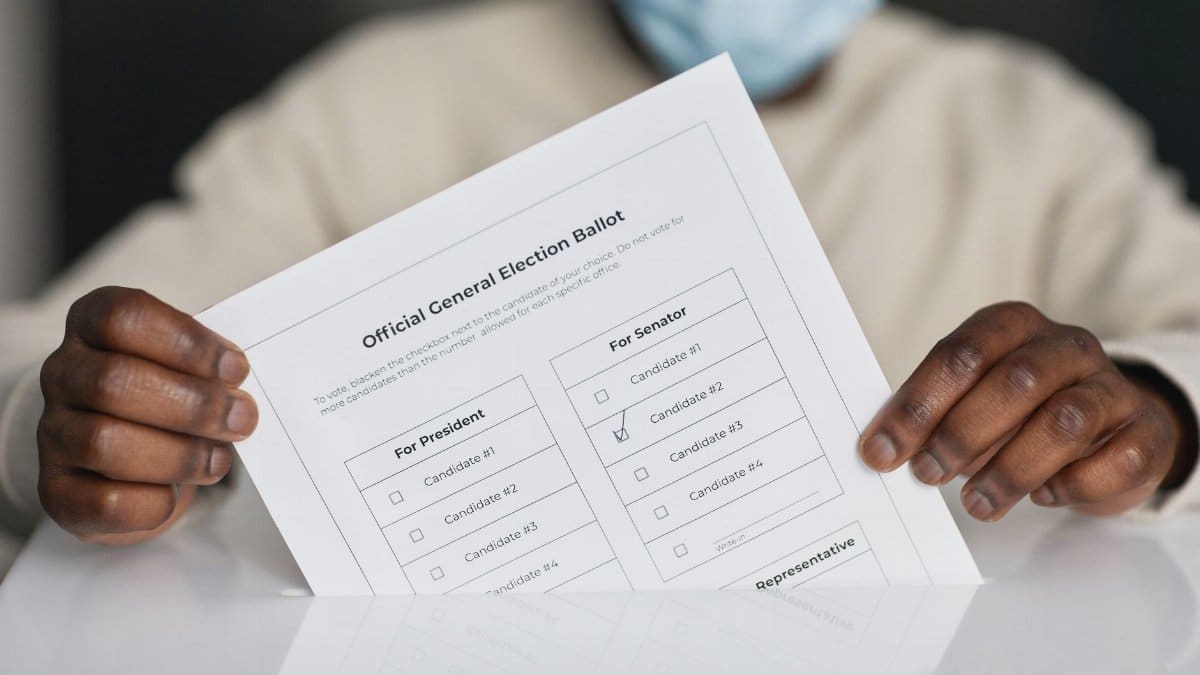
With the primary now concluded attention shifts to the November contest. The Democratic nominee will face a Republican opponent in a state with diverse regional priorities. How the Senate debate attacks are remembered could shape campaign approaches in the months ahead. Both parties will likely emphasize their vision for economic stability and community well being.