
Readers often engage with current events through published opinions in major publications. One recurring theme involves discussions on eligibility for voting and how properties are valued for taxes. Philadelphia letters provide a platform for these debates highlighting diverse perspectives from the area. Such exchanges reveal the depth of feeling among citizens who seek fair processes in governance and daily affairs.
Views on Noncitizen Participation in Elections
Recent correspondence has examined policies in New Jersey that touch on voter rolls and eligibility standards. Writers express worry that lax verification might open doors to improper entries while others stress the need for inclusive local input on community issues. These points reflect broader national tensions around citizenship and civic rights.
Property Assessment Practices in Kensington
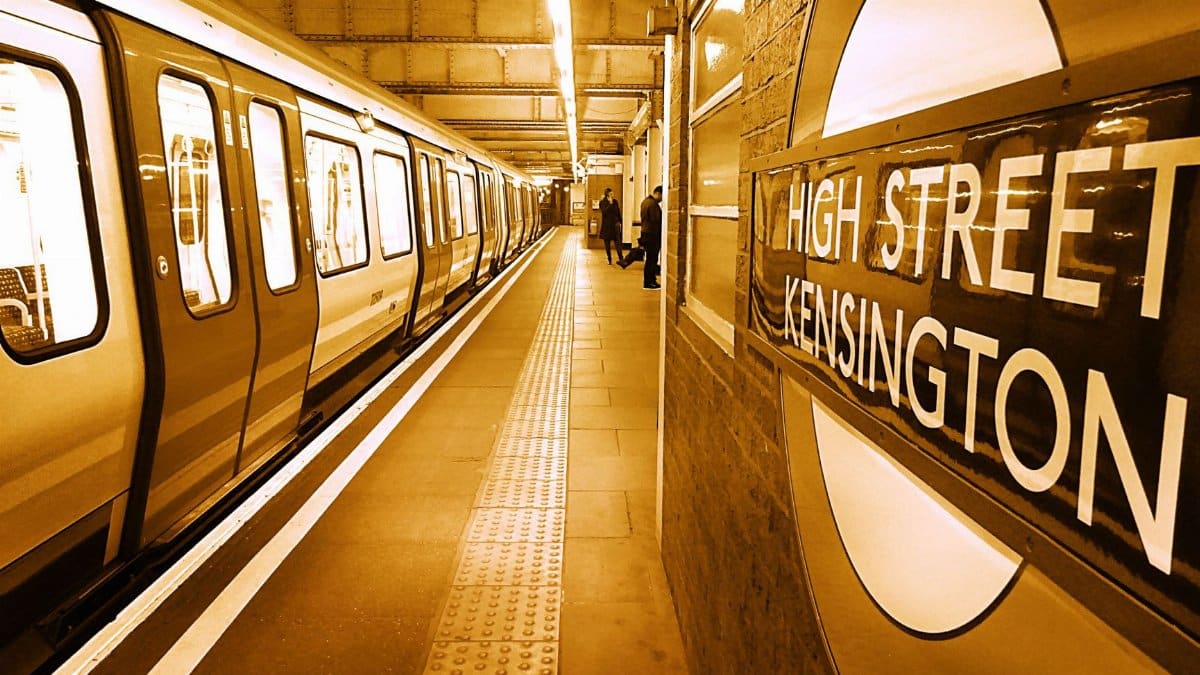
Letters also turn attention to how homes and buildings receive tax valuations in the Kensington section of the city. Residents describe sudden increases that strain household budgets and question the methods used by officials to determine fair market worth. The debate centers on transparency and accuracy in these calculations.
Role of District Attorney Policies

Another set of opinions addresses the conviction unit led by District Attorney Larry Krasner. Commentators discuss its effectiveness in handling cases and whether resources align with public safety goals. The unit draws both support for reform efforts and criticism over case outcomes.
Community Impact of Local Governance Choices
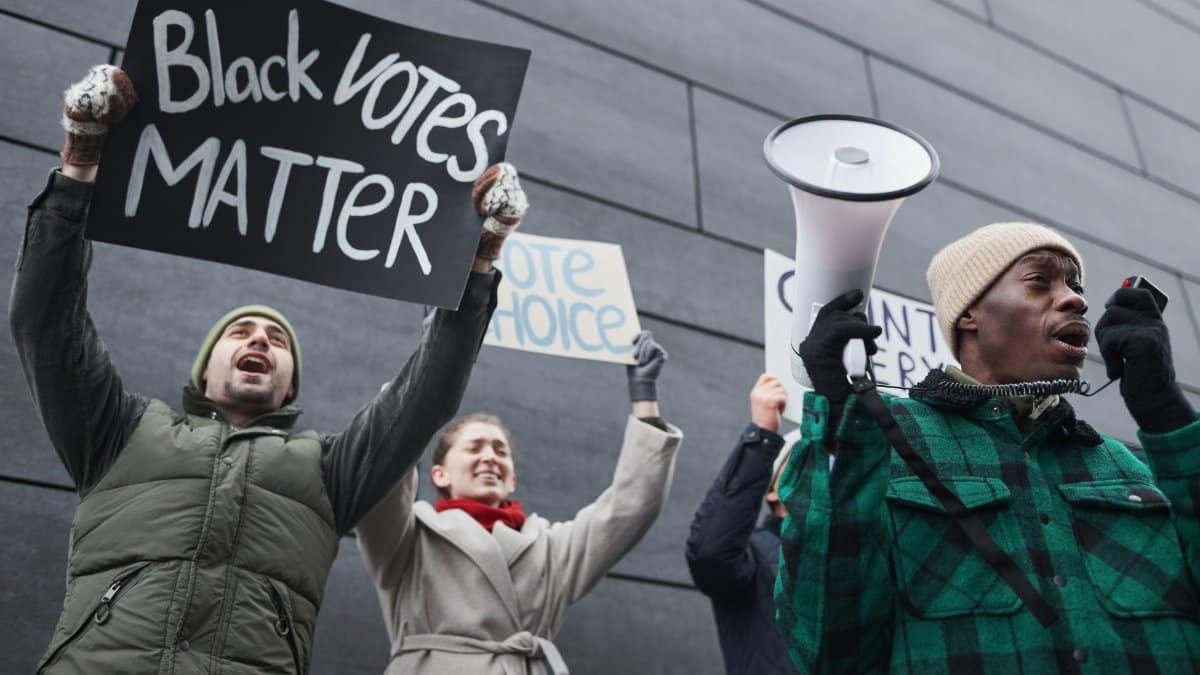
Across these topics the effects on everyday life come into focus. Families in affected neighborhoods describe how decisions on voting access or tax bills shape their sense of stability and belonging. Philadelphia letters capture these personal stakes in clear terms.
Historical Place of Published Correspondence

The practice of sharing thoughts via newspaper pages has deep roots in American cities. Philadelphia letters continue this pattern by giving voice to ordinary people on matters of policy and justice. The format allows measured responses rather than fleeting social media comments.
Balance in Editorial Selection

Editors face the task of choosing which submissions to print from a large pool. They aim to represent varied opinions without favoring one side. This curation helps maintain trust in the forum as a space for genuine civic exchange.
Ethical Dimensions in Public Discourse
Discussions in these letters often touch on fairness and responsibility. Writers invoke principles of equity when addressing who votes or how assessments affect lower income households. The tone tends toward reasoned argument over heated rhetoric.
Future of Reader Engagement

As media landscapes shift the value of sustained written exchange remains high. Philadelphia letters may adapt to digital formats yet retain their core purpose of fostering informed debate. Communities benefit when such channels stay open and accessible.