

Maryland state officials have long struggled to provide a clear picture of outside lawyers spending across various agencies and departments. As of July 29 2026 the lack of a verified statewide total leaves taxpayers in the dark about the true cost of legal services hired from private firms. This opacity raises concerns about fiscal responsibility and oversight in public administration. Efforts to track these expenditures have been hampered by fragmented record keeping systems that do not communicate with one another. Without a centralized database it becomes nearly impossible to aggregate accurate figures. The issue touches on broader themes of government efficiency and the need for better data management practices in an era where public funds must be accounted for with precision.
Historical Patterns in State Legal Contracts

Over the past decade Maryland agencies have turned to private attorneys for specialized matters ranging from environmental litigation to complex regulatory disputes. These arrangements often arise when internal staff lack the bandwidth or expertise for high stakes cases. Yet the absence of uniform reporting means that total outlays remain elusive even to legislative auditors.
Barriers to Centralized Data Collection

Multiple departments maintain their own ledgers without shared protocols. Some rely on paper invoices while others use outdated software that cannot export standardized reports. This patchwork approach prevents any meaningful summation of outside lawyers spending and frustrates attempts at annual budgeting.
Impact on Taxpayer Accountability

When citizens seek details on how public money flows to external counsel the responses vary by agency. Some provide partial lists while others cite exemptions under public records laws. The resulting gaps erode trust in how resources are allocated.
Comparisons With Neighboring Jurisdictions

States such as Virginia and Pennsylvania have implemented online portals that display legal service contracts in real time. Those systems allow residents to search by firm amount and matter type. Maryland officials have studied these models yet cite procurement rules as reasons for slower adoption.
Role of Legislative Oversight Committees
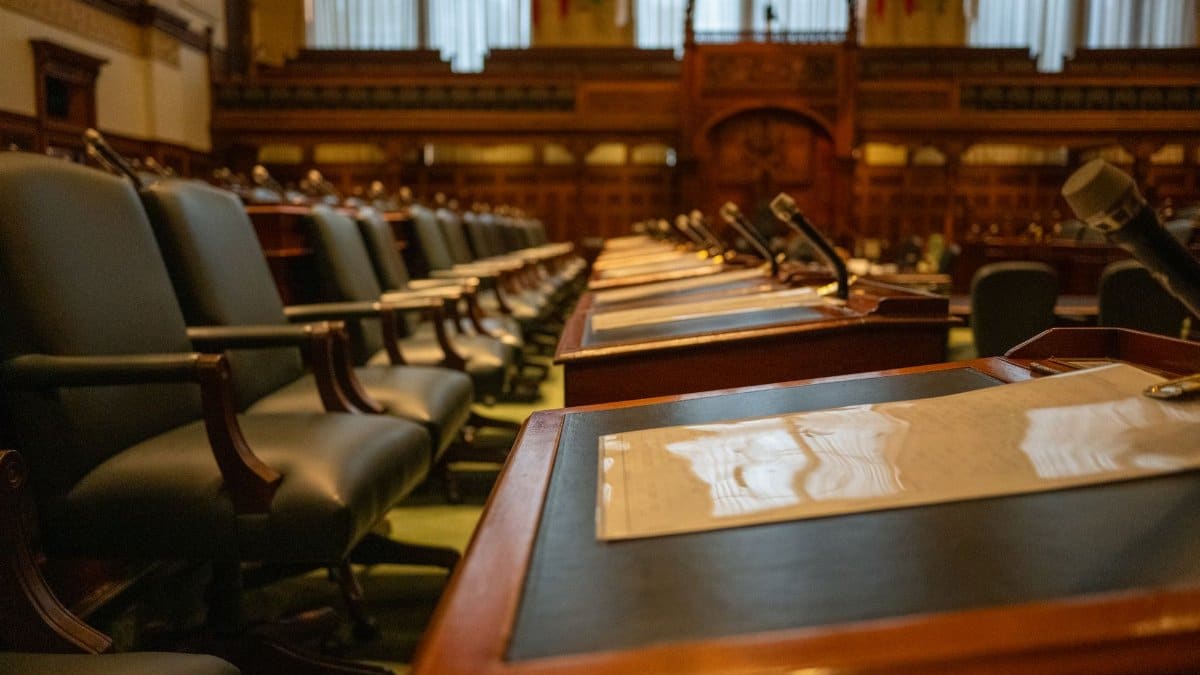
Recent hearings have highlighted the need for mandatory disclosure forms that capture every dollar paid to outside counsel. Lawmakers from both parties have expressed frustration over the current state of affairs and called for pilot programs to test improved tracking methods.
Potential Reforms Under Consideration

Proposals include a single digital platform where all agencies upload contract details within thirty days of execution. Additional ideas involve annual audits focused solely on legal expenditures. Supporters argue these steps would bring much needed clarity without increasing overall costs.
Broader Implications for Public Trust

Transparent handling of outside lawyers spending serves as a bellwether for other areas of government finance. When one category of spending stays hidden it invites skepticism about the rest of the budget. Restoring confidence requires consistent and accessible information rather than piecemeal responses.