
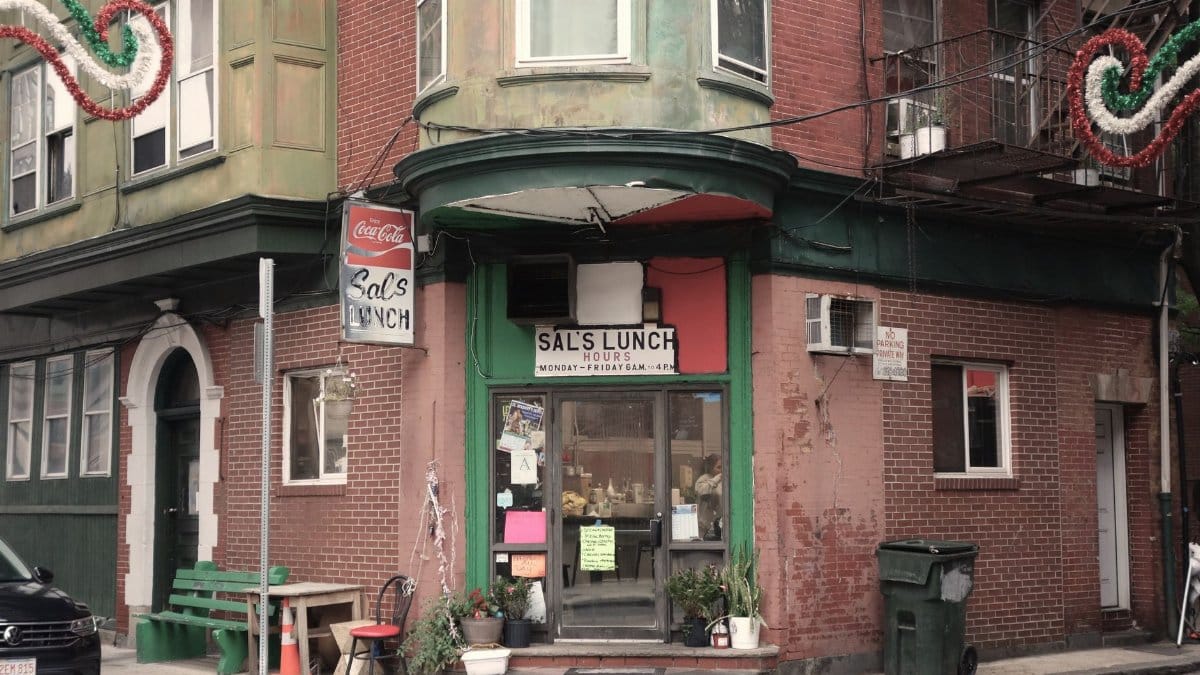
The industrial legacy of certain Massachusetts communities has long shaped their voting patterns in ways that surprise outsiders. As economic pressures mount and cultural values evolve, southeastern Mass politics reveals a notable pivot toward Republican candidates in areas once considered reliably Democratic. Residents in cities like Fall River and New Bedford express frustration with policies from the state capital that seem disconnected from daily realities on the ground. This trend draws attention from analysts tracking regional shifts across multiple election cycles.
Economic Pressures Fueling Shifts in Voter Loyalty

Manufacturing decline has left many families in southeastern Massachusetts seeking alternatives to traditional Democratic platforms. Job losses in textiles and fishing have created openings for candidates who emphasize tax relief and deregulation. Local workers report that state level mandates on energy costs add burdens without corresponding benefits in pay or security.
Demographic Changes in Former Democratic Strongholds

Population movements bring new voices into local debates. Younger families and recent arrivals from other states introduce perspectives less tied to midcentury union traditions. These groups often prioritize border security and school choice over expansive social programs promoted in Boston.
Role of Local Leaders in Building Republican Momentum

Mayors and council members in towns such as Taunton have begun endorsing candidates from the opposing party on issues like crime enforcement. Their public statements highlight practical governance over partisan loyalty. This approach resonates with voters tired of ideological gridlock at higher levels.
Comparison With Other Massachusetts Regions

While urban centers around Boston retain strong progressive leanings, the southeastern corridor shows divergence. Lower density and different industry bases allow conservative messaging to gain traction without the same resistance seen in denser metro areas. Turnout data from recent primaries illustrates this contrast clearly.
Impact of State Policies on Regional Discontent

High housing regulations and education funding formulas create perceptions of unfair treatment. Southeastern communities argue that resources flow disproportionately northward. Candidates addressing these imbalances attract support from independents who previously split tickets or stayed home.
Cultural Values and Community Traditions at Play

Churches and civic groups in the region maintain emphasis on self reliance and family structures. These institutions provide networks where discussions of national trends intersect with local concerns. Events focused on heritage often double as venues for political organizing outside formal party channels.
Future Outlook for Party Competition

Continued economic uncertainty could solidify gains for Republican organizers. Investment in infrastructure that bypasses state bureaucracy appeals to business owners wary of added layers of oversight. Sustained engagement through town meetings may determine whether the pattern holds in statewide races.
Media Coverage and Its Influence on Perceptions
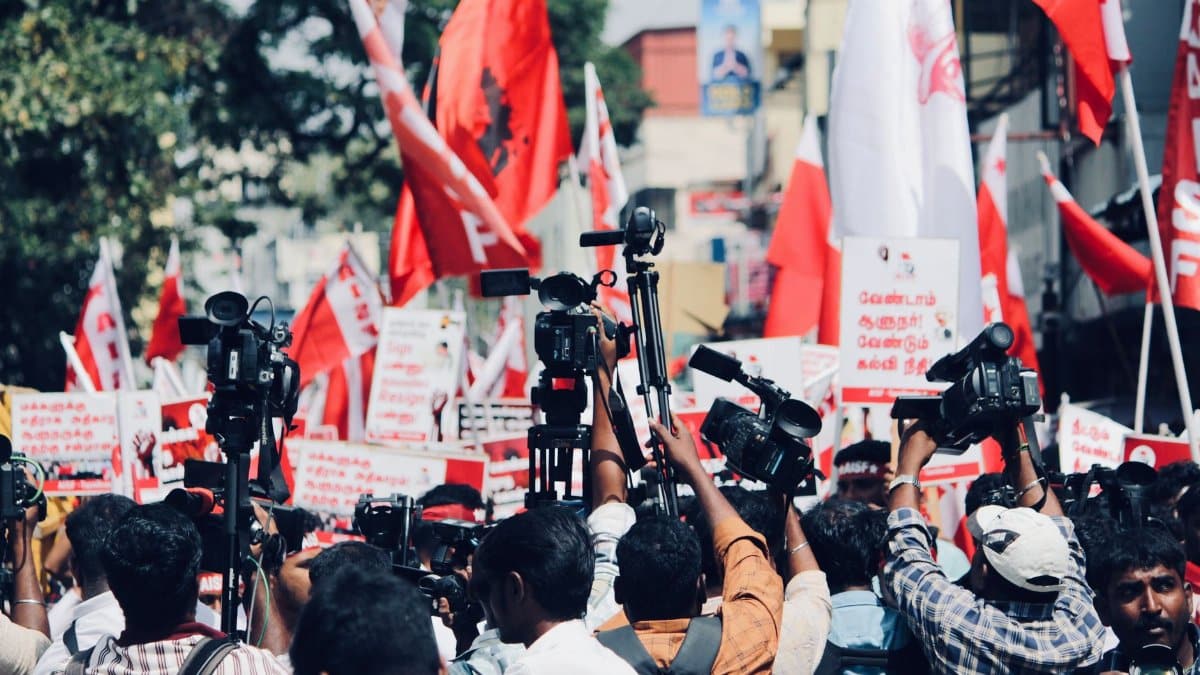
National outlets occasionally highlight these developments as anomalies within a blue state. Local reporting tends to focus on specific grievances rather than broad ideological labels. Readers in the area often turn to community forums for unfiltered accounts of candidate positions.
Challenges Facing Sustained Political Realignment

Established Democratic networks retain advantages in fundraising and volunteer coordination. Overcoming these requires consistent messaging on pocketbook issues that cross traditional divides. Success depends on avoiding overreach that alienates moderate supporters who value stability.