

In recent years a growing number of women have put off or decided against having more children amid mounting daily pressures. Observers link this pattern directly to the falling birthrate mothers confront when support systems fall short. Data from government records show births per woman dropping below replacement levels in many states. Policymakers and families alike wonder what shifts might reverse the course.
Childcare expenses add heavy loads to family finances

Parents often spend as much on care for one child as on housing in many cities. This burden grows with each added child and leaves little room for savings or emergencies. Reports indicate average annual costs exceed ten thousand dollars per toddler in urban areas. Without relief many mothers scale back career plans or limit family size.
Workplace rules fail to accommodate new parents

Schedules and promotion tracks rarely bend for those who need time to recover after birth. Rigid attendance policies push some women out of jobs they once held with pride. Surveys reveal that flexible options remain rare outside a few large firms. As a result career mothers weigh future births against lost income and status.
Paid time off remains short compared with global peers

Most American workers receive no guaranteed weeks away from duties after a birth. This gap stands out when set beside practices in Canada or parts of Europe where months are standard. The absence of pay during recovery forces quick returns that strain both health and bonding. Falling birthrate mothers cite this shortfall as a key reason for smaller families.
Public aid programs reach only part of those in need

Eligibility rules often exclude middle income households even when costs overwhelm monthly earnings. Waiting lists for subsidized slots stretch for months in crowded regions. Advocates note that expanded access could ease the path for more parents. Current limits leave gaps that discourage additional children.
Health and recovery support lag in many communities

Follow up care after birth varies widely by location and insurance type. Rural areas in particular lack specialists who focus on maternal well being. Delays in treatment can extend physical and emotional strain for months. Such shortfalls add to the calculations falling birthrate mothers make about future pregnancies.
Cultural expectations place uneven loads on women
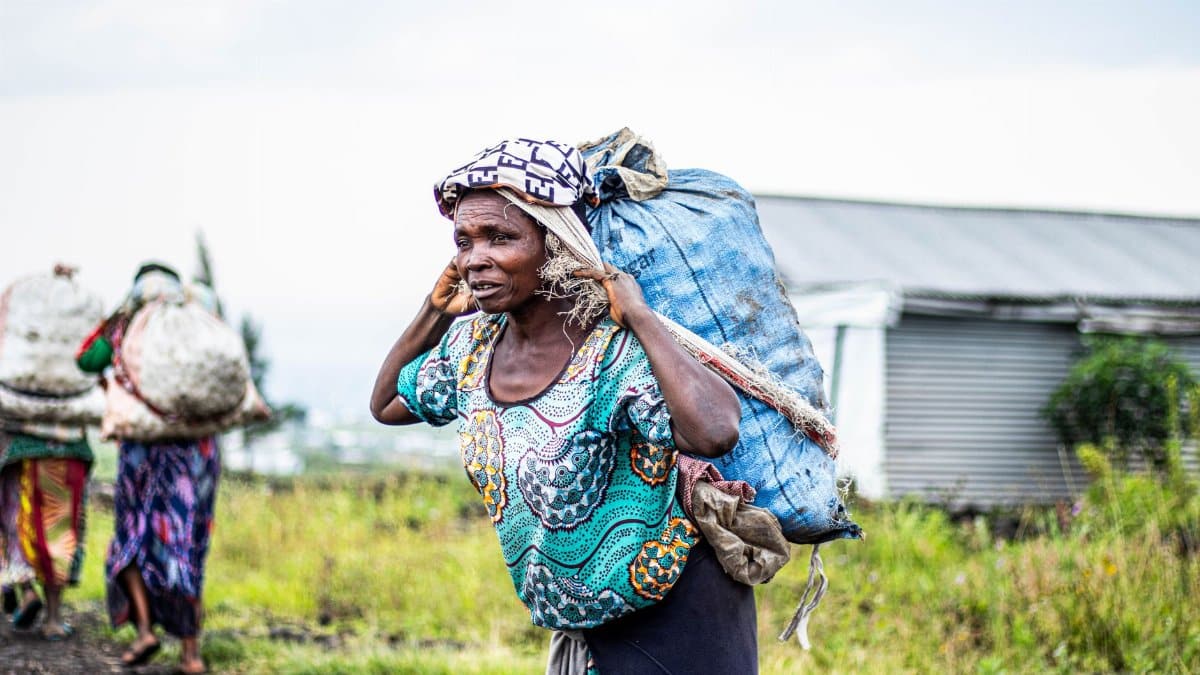
Society still frames child raising as a primary duty for mothers even as workforce participation stays high. This double demand creates fatigue that compounds over successive births. Conversations in community groups highlight the isolation felt when help stays scarce. Shifts in shared responsibility could alter these patterns.
Policy experiments in select states offer models worth study

A few places have tested longer leave or tax credits tied to births and early care. Early results show modest upticks in births among targeted groups. Researchers track these changes through public records and compare them with national trends. Broader adoption might reveal larger effects on the falling birthrate mothers face.
Longer term economic security ties closely to family choices

Women who step back from work for care often face lower lifetime earnings and retirement savings. This prospect influences decisions about how many children to raise. Programs that protect job continuity during early years show promise in easing those worries. Greater stability could encourage more births among those now on the fence.