
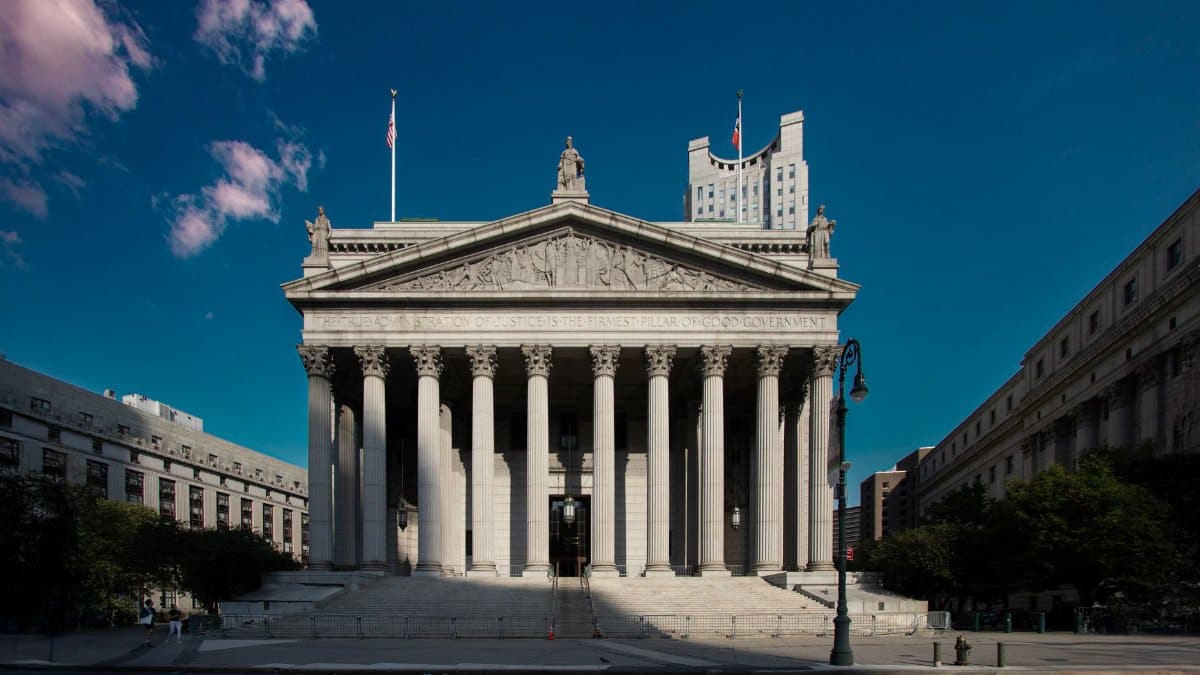
The landscape of American elections is undergoing scrutiny once again as executive actions meet judicial review. The Trump administration urges the Supreme Court to allow an order targeting mail-in voting order before the 2026 midterms. This development raises questions about voter access and the timing of such policies ahead of key elections. Legal experts and civic groups alike are watching closely to see how the justices will respond to a request that touches on core aspects of democratic participation.
Background on Executive Actions in Election Matters

Executive orders have long played a role in shaping federal priorities around elections though their reach often faces challenges in court. Recent requests focus on tightening procedures for ballot handling in an effort to address concerns over security and verification.
Role of the Supreme Court in Current Disputes
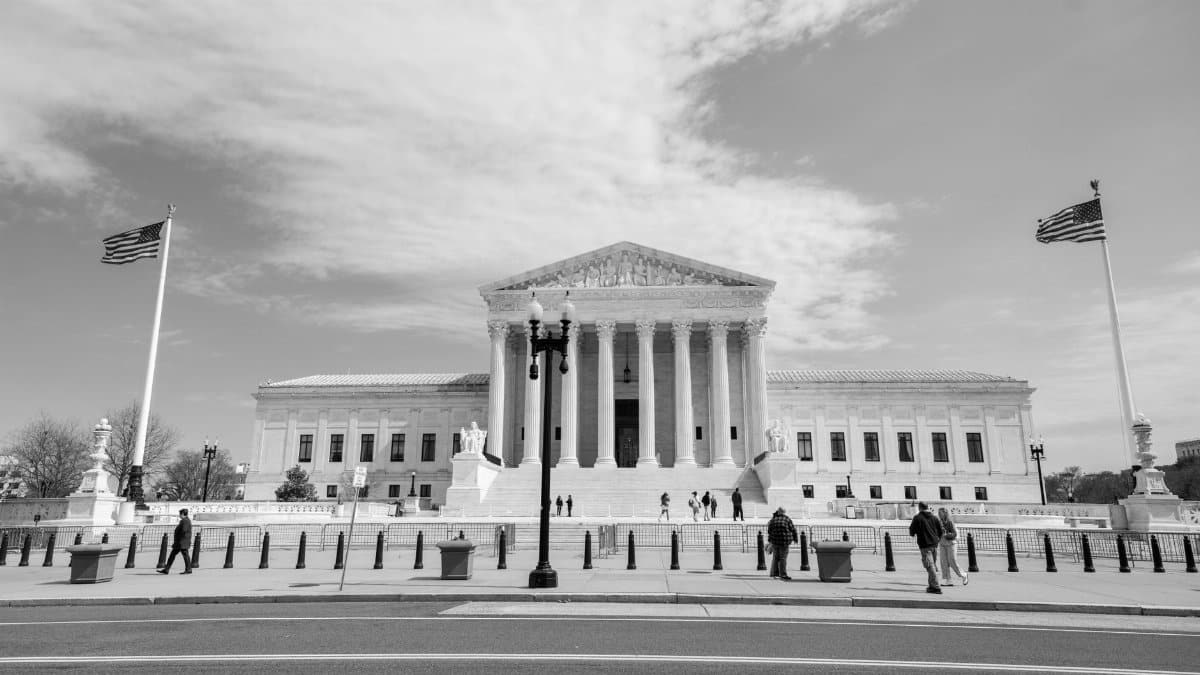
The nations highest court stands at the center of this request with justices tasked to weigh arguments from the administration against those from opposing states and advocacy organizations. Decisions here could set precedents for years to come.
Potential Effects on Voter Participation
Changes to ballot delivery methods may influence turnout especially in areas where residents rely on convenient options due to work schedules or mobility issues. Analysts project varied outcomes depending on how states adapt their systems.
Perspectives from State Election Officials
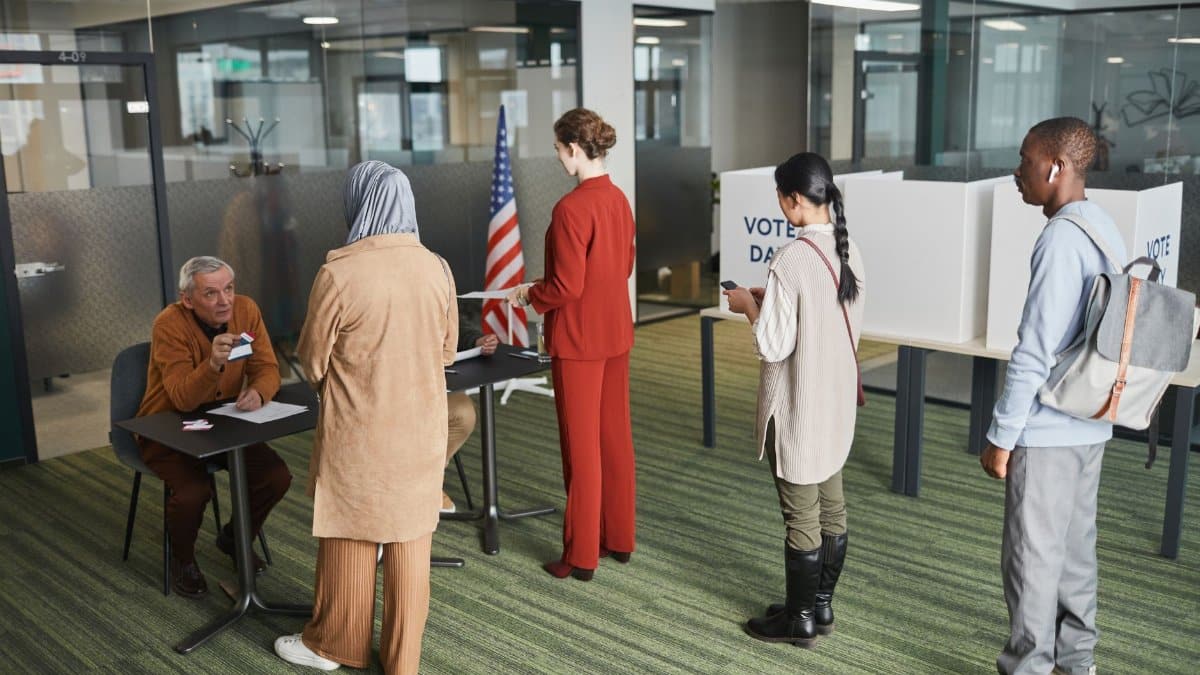
Officials in multiple states have voiced mixed reactions with some supporting enhanced checks while others warn of added burdens on local offices already managing tight budgets and staffing.
Public Opinion Trends on Ballot Access
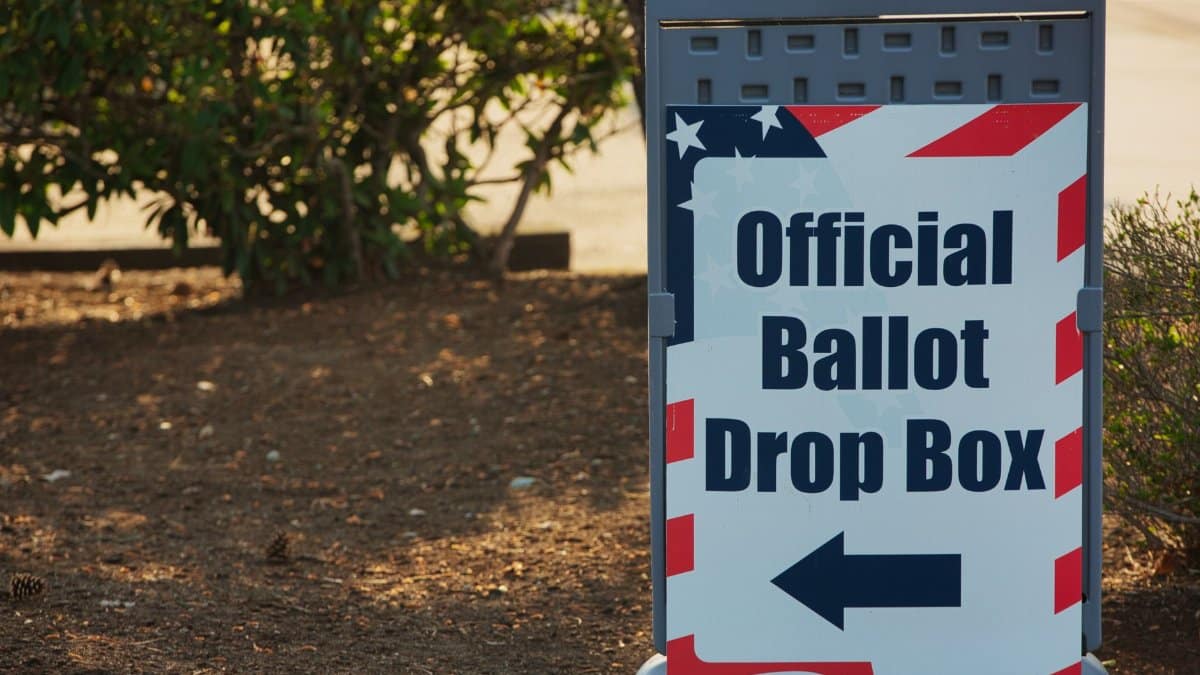
Surveys indicate that many middle aged Americans value both security measures and ease of access when it comes to casting votes. Discussions in community forums reveal a desire for balanced approaches that avoid widespread disruption.
Comparisons to Past Election Cycles
Previous cycles saw similar tensions around mail options with courts often stepping in to clarify rules. Lessons from those experiences inform current strategies as parties prepare for upcoming contests.
Implications for Broader Civic Engagement
Beyond immediate ballot rules this case may encourage greater public involvement in local governance and advocacy efforts aimed at protecting voting rights across diverse populations.
Future Outlook for Election Policies

Observers expect ongoing debates in legislative chambers and among citizens as the nation moves toward the next round of federal elections. Adjustments could come through new laws or further court guidance.