
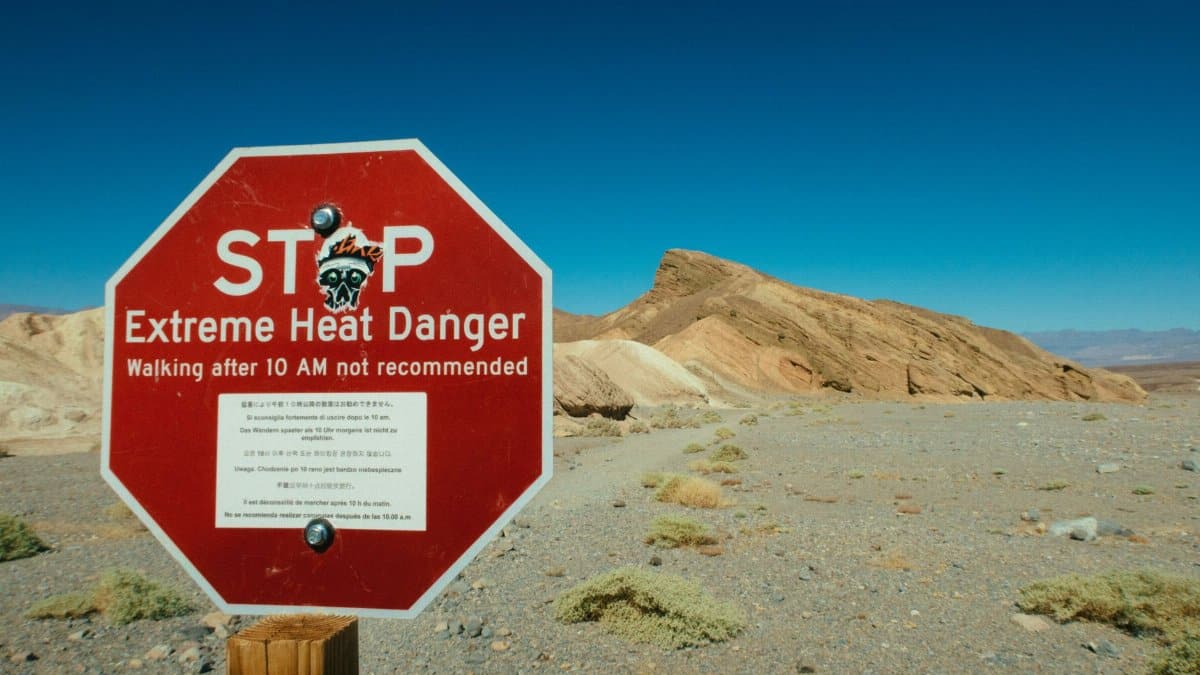
As residents across Southeast Texas step outside into air that feels thick and unrelenting a familiar challenge returns with full force. Forecasts from local meteorologists point to heat index readings that could reach one hundred fifteen or one hundred sixteen degrees this week prompting officials to issue an extreme heat warning. Such conditions test the limits of infrastructure and personal endurance alike. In this setting Houston heat becomes more than a seasonal nuisance it shapes routines health outcomes and even community gatherings in profound ways.
Current Forecast Details
Authorities emphasize that the warning covers multiple counties including Harris where the largest population concentration faces the greatest exposure. Overnight lows may offer little relief remaining above eighty degrees in many spots. This pattern aligns with trends observed in recent summers where urban expansion contributes to sustained warmth after sunset.
Effects on Vulnerable Populations
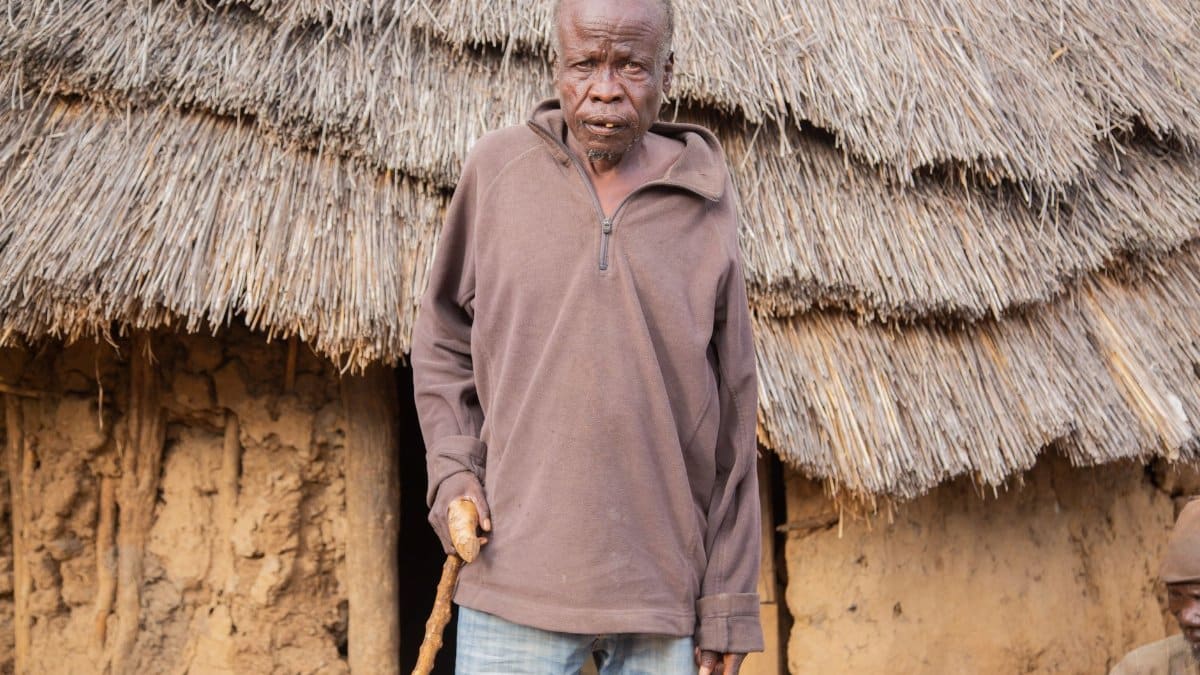
Elderly individuals and those with preexisting medical conditions encounter elevated risks during these periods. Hospitals report increased admissions for heat related symptoms while public cooling centers see higher attendance. Local outreach programs adjust schedules to deliver water and check on isolated residents before midday peaks arrive.
Urban Design and Temperature Amplification
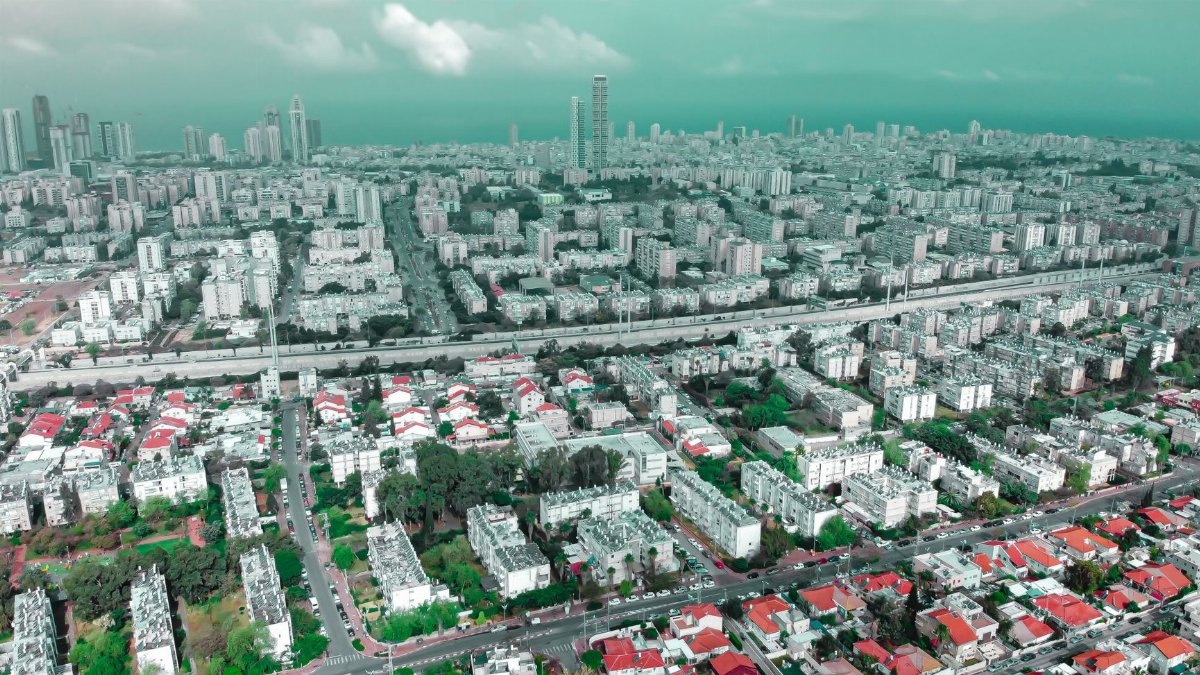
City planners note that expansive pavement and limited tree cover intensify surface temperatures in certain neighborhoods. Studies of similar metropolitan zones show that strategic additions of green space can moderate conditions over time. Discussions now focus on expanding shade structures along pedestrian routes and transit stops to ease daily commutes.
Faith Communities Organize Support

Churches and temples across the area open their doors for extended hours providing air conditioned spaces for reflection and rest. Volunteers coordinate rides for those without transportation while prayer groups incorporate themes of stewardship over the natural world. These efforts blend practical aid with spiritual encouragement during times of environmental strain.
Workplace Adaptations Under Pressure
Construction crews and outdoor laborers shift start times to early morning hours when possible. Employers distribute additional hydration supplies and enforce mandatory breaks in shaded areas. Some businesses explore flexible remote options for staff whose roles allow such arrangements reducing overall exposure across the workforce.
Longer Term Climate Patterns
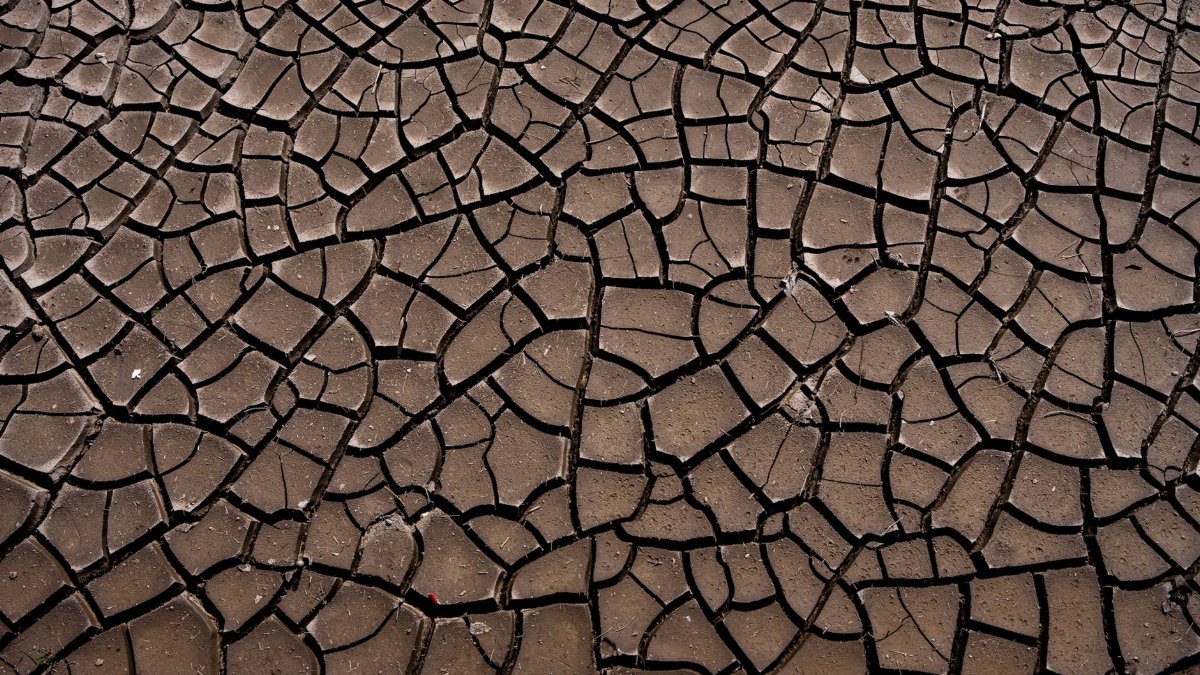
Regional data indicates a gradual rise in the number of days exceeding ninety five degrees over the past two decades. Scientists link these shifts to broader atmospheric changes while urging preparedness measures at every level of government. Discussions in policy circles explore updated building codes that account for future temperature projections.
Personal Stories of Endurance
One family in the suburbs describes gathering on a shaded porch each evening to share meals and conversation avoiding indoor spaces that retain heat well into the night. Another resident recalls childhood summers spent near public pools that now operate with reduced hours due to staffing shortages. These accounts illustrate how individuals navigate the season with creativity and mutual support.
Public Health Recommendations

Officials advise limiting outdoor activity between ten in the morning and six in the evening when possible. Signs posted in parks and along trails remind visitors to recognize early signs of distress such as dizziness or nausea. Community workshops teach basic response techniques that can prevent minor issues from escalating.