
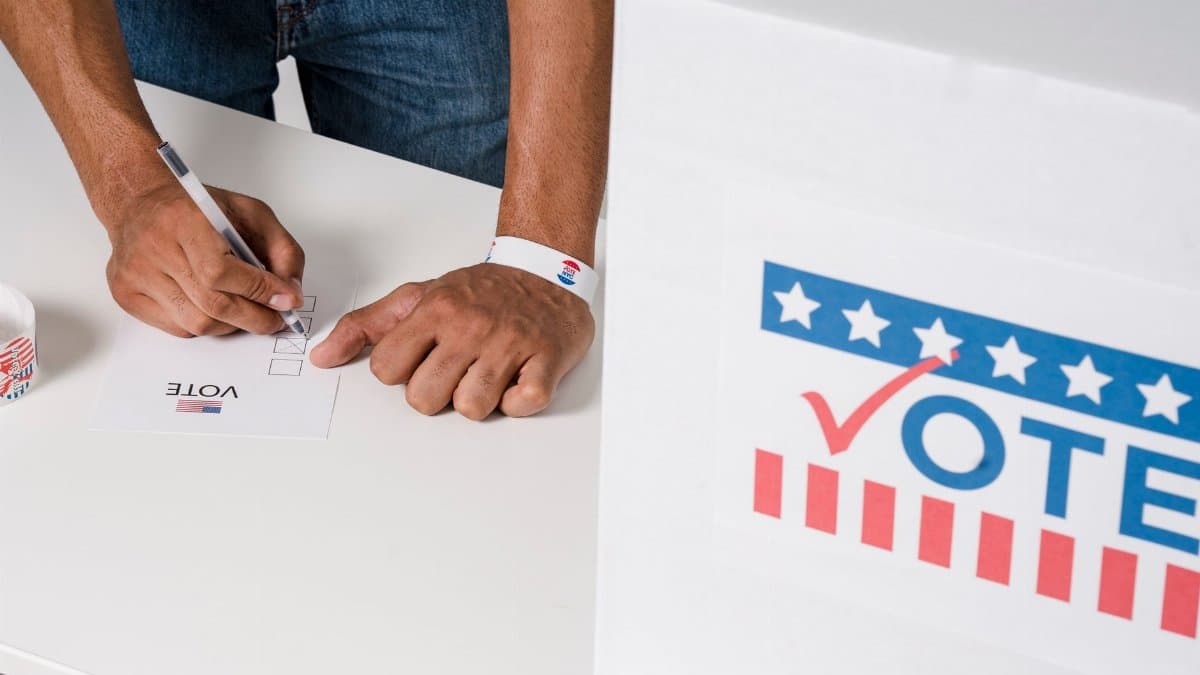
In recent years voting by mail has become a vital option for many Americans seeking to participate in elections despite busy schedules or health concerns. A new legal action in Wisconsin highlights ongoing tensions around these practices. The Wisconsin absentee ballot lawsuit brings attention to rules that could leave some ballots uncounted if they arrive late.
The Background of the Case

Residents in Wisconsin have joined with a prominent civic group to challenge existing procedures for handling mail in votes. Their complaint centers on situations where an absentee ballot reaches election offices after the deadline yet the voter has clear intent to participate. Courts are being asked to consider whether a provisional ballot could serve as a backup to ensure that choice is recorded.
Parties Involved in the Action

The League of Women Voters plays a central role alongside individual plaintiffs who describe personal experiences with mail delays. These voters argue that strict cutoff times overlook common issues like postal slowdowns or unexpected family obligations. Legal filings emphasize fairness and access as core principles guiding the request for change.
Current Rules on Absentee Ballots

Wisconsin law requires absentee ballots to arrive by election day for them to be tallied. Supporters of the status quo note that this cutoff helps maintain order and prevents endless extensions that could delay results. Critics counter that the rule creates unnecessary barriers for citizens who follow all other steps correctly but face factors beyond their control.
Potential Impact on Future Elections

If the courts side with the plaintiffs the state could see adjusted processes that accept late arrivals under limited conditions. Election administrators would need new guidelines for verifying and incorporating those ballots. Such adjustments might increase overall participation yet require careful planning to avoid confusion at polling sites.
Views from Election Officials
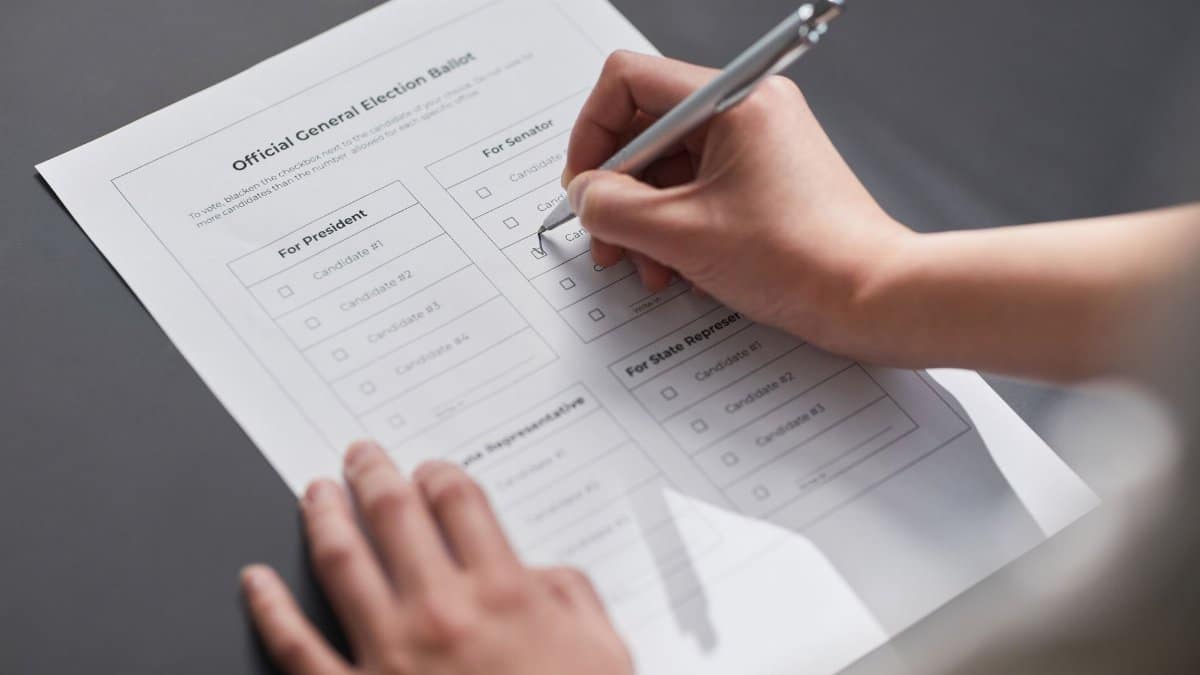
Local clerks express mixed reactions ranging from support for broader access to worries about added workload during peak periods. Many stress the need for clear communication so that voters understand any new options well in advance. Training sessions and updated materials would likely accompany any policy shift.
Comparisons with Other States
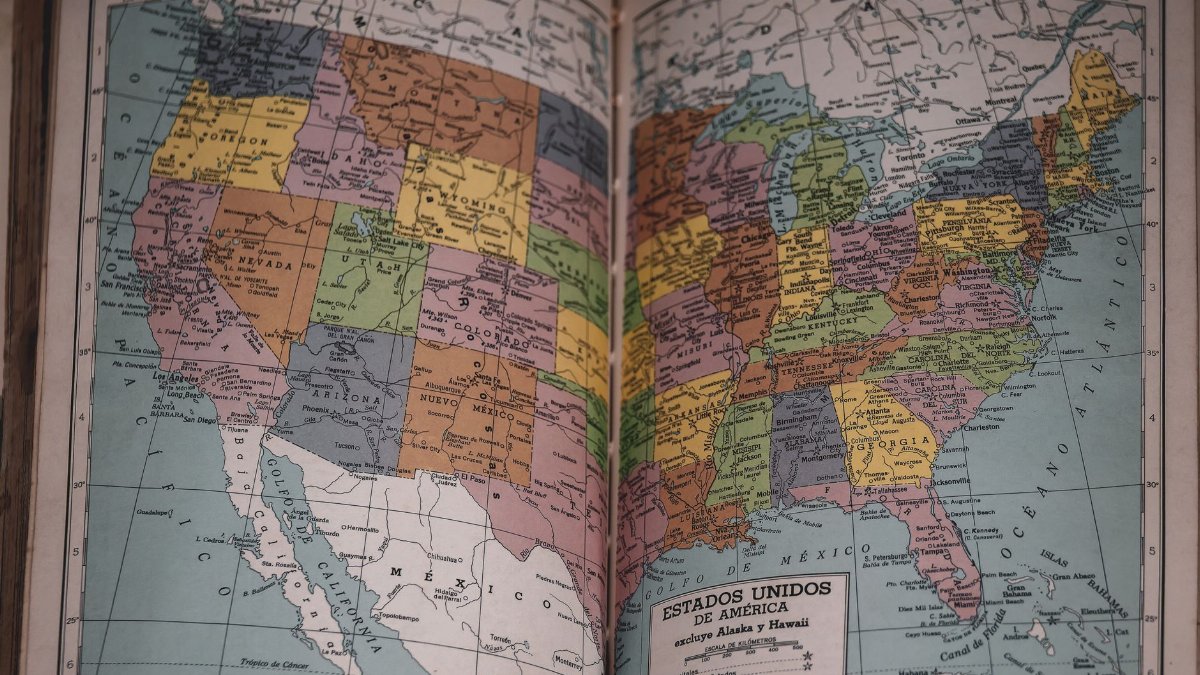
Neighboring regions have adopted varied approaches to similar situations with some allowing grace periods and others maintaining firm deadlines. Observers point out that outcomes often depend on state specific statutes and court precedents. Wisconsin now joins a wider national conversation about balancing security with convenience in mail voting systems.
Historical Context of Voting Laws
Mail voting has evolved over decades from limited use among military personnel to broader availability during public health crises. Each expansion brought debates about verification methods and deadlines. The present lawsuit reflects patterns seen in earlier challenges where citizens sought refinements to existing frameworks.
What Comes Next for Voters

Legal proceedings are expected to unfold over the coming months with possible appeals shaping the final outcome. Advocacy groups plan public education efforts to explain rights and options. Voters meanwhile continue to weigh the reliability of mail services against in person alternatives as they prepare for upcoming cycles.