
In the heart of Miami’s bustling waterfront, a modest structure built more than a century ago stands at the center of a heated civic debate over heritage and progress. The recent approval by city commissioners to move forward with the Brickell cottage sale has drawn attention from preservationists, developers and residents alike, highlighting tensions that define urban growth in South Florida. This transaction involves a 121 year old cottage on Brickell Bay Drive passing into the hands of billionaire investor Ken Griffin for nearly three million dollars, raising questions about how communities balance economic opportunity with the protection of historic landmarks that anchor local identity.
Background of the Brickell Cottage Property
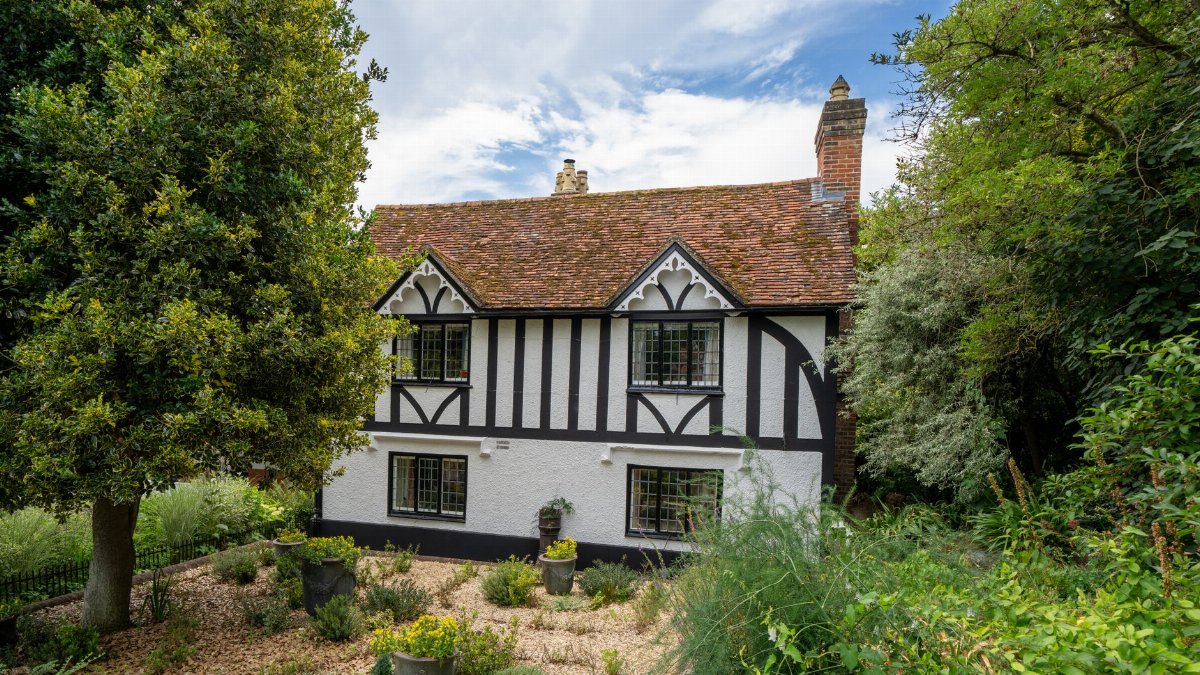
The cottage dates back to 1903 and represents one of the earliest residential buildings in what became a premier financial district. Over the decades it has witnessed the transformation of Brickell from a quiet residential area into a skyline dominated by high rises and international banks. Local historians note its simple wooden construction and modest scale as reminders of an era before rapid modernization reshaped the neighborhood.
Details of the Commission Vote

City officials reached their decision after several public meetings where competing interests presented arguments. Supporters emphasized the financial benefits to municipal coffers while opponents voiced concerns about losing an irreplaceable piece of early twentieth century architecture. The final tally favored the sale, clearing the path for Griffin to acquire the site.
Role of Ken Griffin in the Transaction

Griffin, known for his investments in finance and real estate, has shown interest in Miami properties that combine location with potential for adaptive reuse. His involvement in the Brickell cottage sale signals a broader pattern of high profile buyers entering the local market, often with plans that extend beyond simple ownership.
Preservation Concerns Among Residents

Community groups have organized to document the cottage’s history and advocate for protective measures even as ownership changes hands. They argue that structures like this one contribute to a sense of continuity amid constant construction, offering tangible links to the city’s origins that new developments rarely replicate.
Economic Implications for the Brickell Area
The proceeds from the Brickell cottage sale are expected to support public projects elsewhere in Miami. Analysts suggest the deal could influence property values nearby, as investors watch how Griffin intends to develop or restore the site in line with zoning rules.
Historical Context of Brickell Development
Brickell has evolved from mangrove wetlands into a global business hub within living memory. The cottage sale fits into this larger narrative of reinvention, where older buildings sometimes yield to new priorities yet occasionally survive through creative compromises between buyers and regulators.
Public Reaction and Media Coverage

Local outlets and national observers have followed the story closely, framing it as part of ongoing discussions about wealth concentration and urban character. Letters to editors and social media posts reveal a divide between those who welcome fresh capital and others who prioritize cultural continuity.
Future Possibilities for the Site
While the sale agreement includes basic historic review requirements, the precise fate of the cottage remains open. Griffin has not released detailed plans, leaving room for speculation about restoration, relocation or integration into a larger project that respects its architectural legacy.
Broader Lessons on Heritage and Growth

Cases such as the Brickell cottage sale illustrate challenges faced by cities nationwide as they navigate competing demands. Thoughtful policy can encourage investment without erasing the physical markers that give neighborhoods their distinct personality and story.