
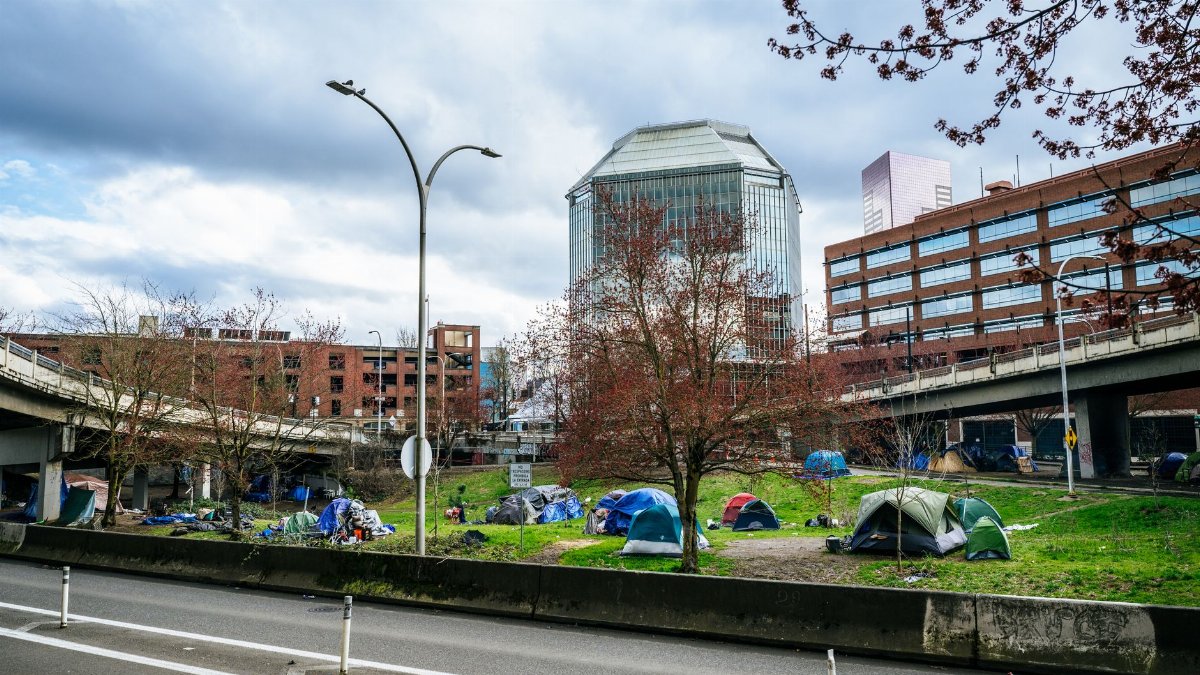
In cities from San Francisco to San Jose residents have noticed shifts in the number of individuals living on the streets. Bay Area homelessness has become a focal point for policymakers seeking effective solutions. Recent reports indicate progress in most parts of the region with overall counts dropping even as one county experiences a modest increase despite new investments in beds and placements.
Regional Variations in Housing Challenges

Most Bay Area counties report fewer people without homes this year compared with prior counts. Officials credit expanded shelter access and targeted housing programs for the gains. Yet the data also highlights uneven results that depend on local resources and priorities.
Focus on San Mateo County Trends

San Mateo stands out with a small rise in the number of people counted without shelter. Leaders there added beds and moved hundreds into housing yet the total ticked upward. This outcome suggests deeper factors at work beyond simple supply of units.
Role of Shelter Expansion Efforts
Across the broader region new shelters opened in several cities to meet immediate needs. These facilities provide temporary stability while longer term options develop. Success varies based on how well programs connect people to jobs and support services.
Impact of Local Funding Decisions

County budgets shape the scale of response to housing shortages. Areas with steady revenue streams launched more aggressive initiatives. Others rely on state grants that sometimes fall short of covering all costs involved.
Stories from Individuals Affected
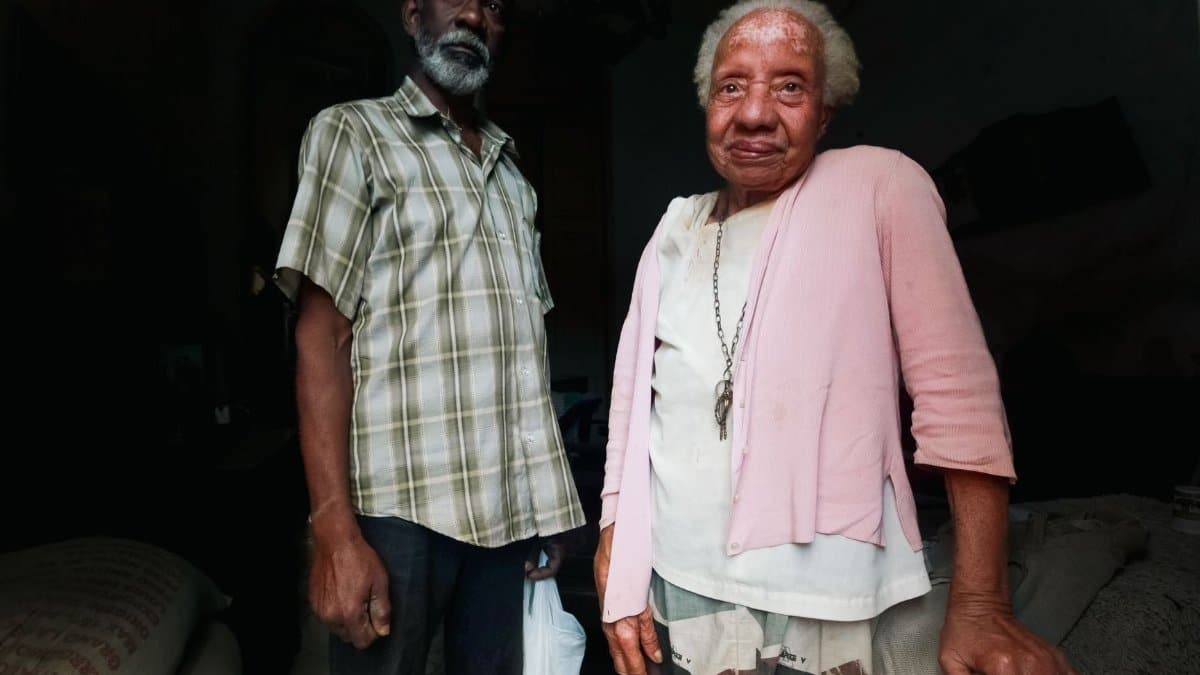
One former resident of Oakland described moving into a subsidized apartment after months on the street. Such personal accounts illustrate both the promise and limits of current approaches. Many still wait for similar opportunities amid high demand.
Broader Economic Pressures at Play

High rents and limited affordable stock continue to push vulnerable groups toward instability. Job losses during recent downturns added to the strain for some families. These forces operate alongside local policy choices in shaping outcomes.
Comparisons with Other Metropolitan Areas

National trends show mixed results in large urban centers facing similar issues. Some cities outside California report sharper drops through coordinated efforts. The Bay Area experience offers lessons on persistence and adaptation over time.
Future Outlook for Policy Adjustments

Leaders plan to refine strategies based on the latest counts and feedback from service providers. Emphasis may shift toward prevention to keep more people in stable situations. Ongoing evaluation will determine which methods yield lasting results across diverse communities.