
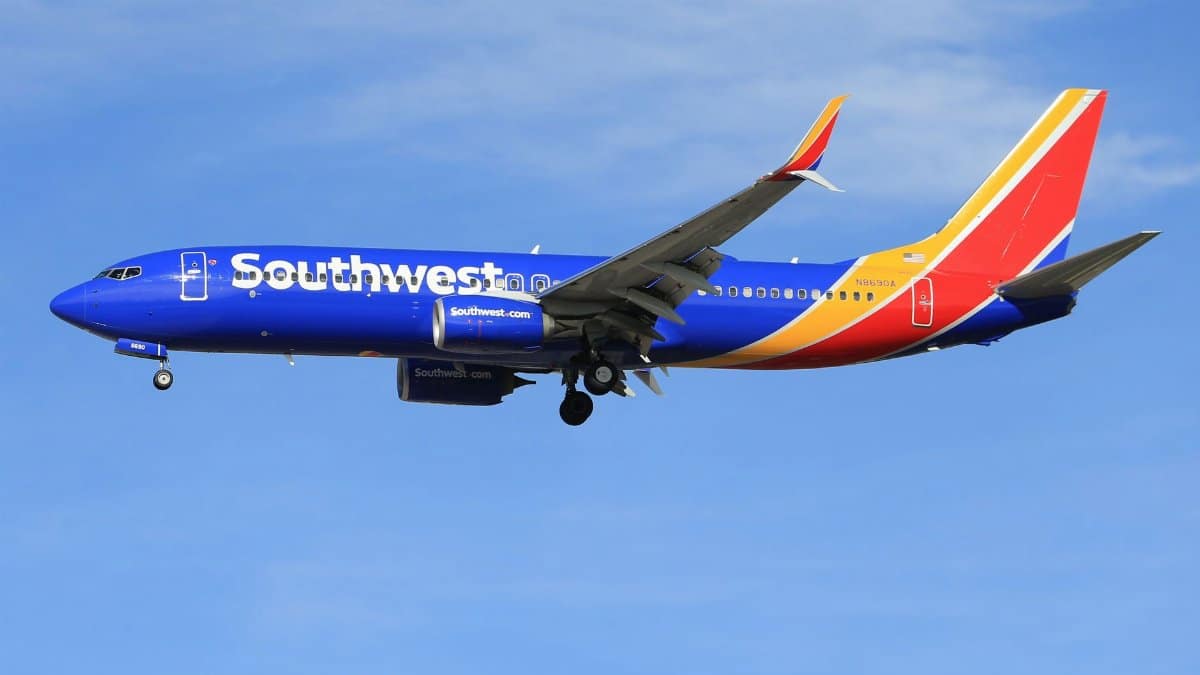
Storms sweeping across the northeast region have led to widespread Airlines flight cancellations this week as airlines scramble to adjust schedules amid heavy rain and strong winds at key East Coast facilities.
Weather Patterns Disrupting Air Travel

Recent forecasts showed intense precipitation moving through several states with winds reaching notable speeds. Airports in New York and Boston reported reduced visibility forcing operators to space out departures more carefully than usual. Crews worked to secure planes and equipment while ground staff coordinated with air traffic controllers to manage the flow safely.
Airline Responses to Schedule Changes
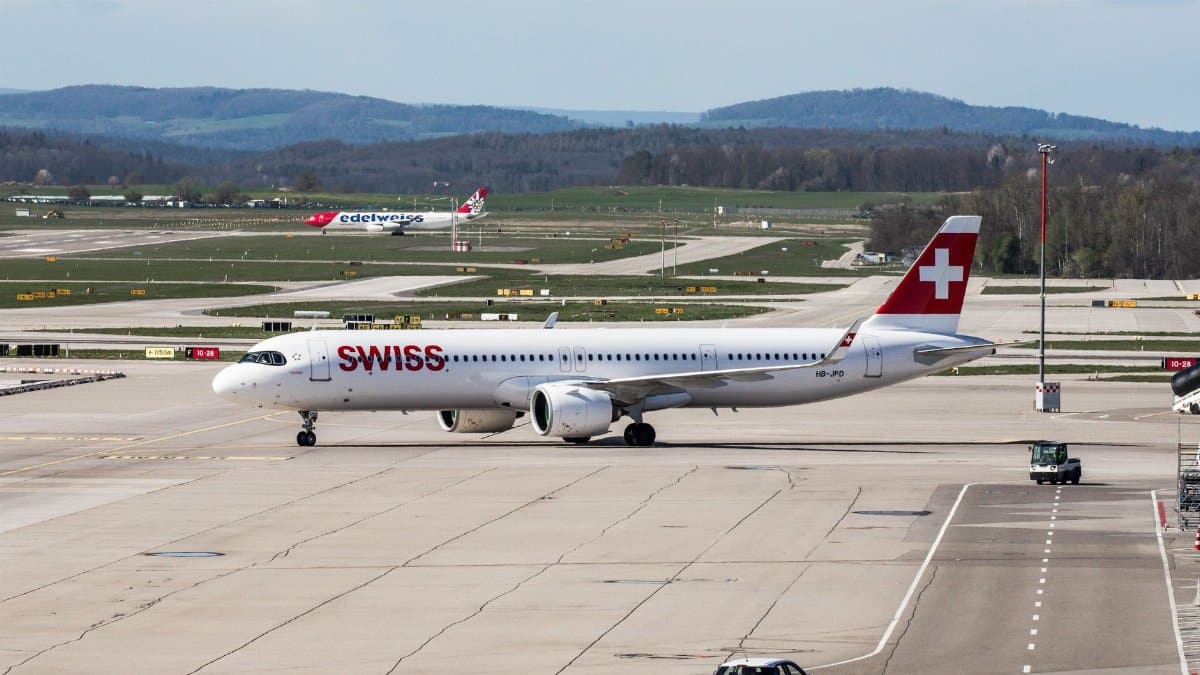
Southwest and American Airlines each adjusted their timetables resulting in over four hundred flights being pulled from the board in a single day. Passengers received notifications through apps and email systems urging them to check status before heading out. Both carriers offered options for rebooking on later dates without extra fees during this period.
Passenger Experiences at Busy Hubs

Many travelers described long waits at counters as agents handled inquiries about alternative routes. Families with connections to other cities found themselves staying overnight in terminals or nearby hotels. Some shared stories of missing important events yet appreciated the clear communication from staff members who stayed calm under pressure.
Broader Effects on Regional Transport

Beyond planes other modes of travel also felt strain as roads became slick and rail services slowed in affected zones. This overlap created additional pressure on remaining flight availability in the days ahead. Analysts noted that such events often ripple through supply chains for goods moved by air as well.
Historical Context for Similar Events

Past storms in the same area have produced comparable numbers of adjustments by major carriers. Records from previous years indicate that spring and fall seasons tend to bring more such challenges due to shifting weather fronts. Companies have invested in better prediction tools to limit the scale of future responses.
Operational Adjustments by Crews

Pilots and attendants followed revised duty rules to ensure rest requirements stayed met despite the delays. Maintenance teams performed extra checks on aircraft exposed to the elements before any resumed service. These steps help maintain safety standards even when timelines shift unexpectedly.
Looking Ahead to Recovery Efforts

Officials expect a gradual return to normal operations once conditions improve across the region. Airlines continue to monitor forecasts closely and update customers through their usual channels. The focus remains on minimizing further inconvenience while prioritizing reliable service for all involved.