
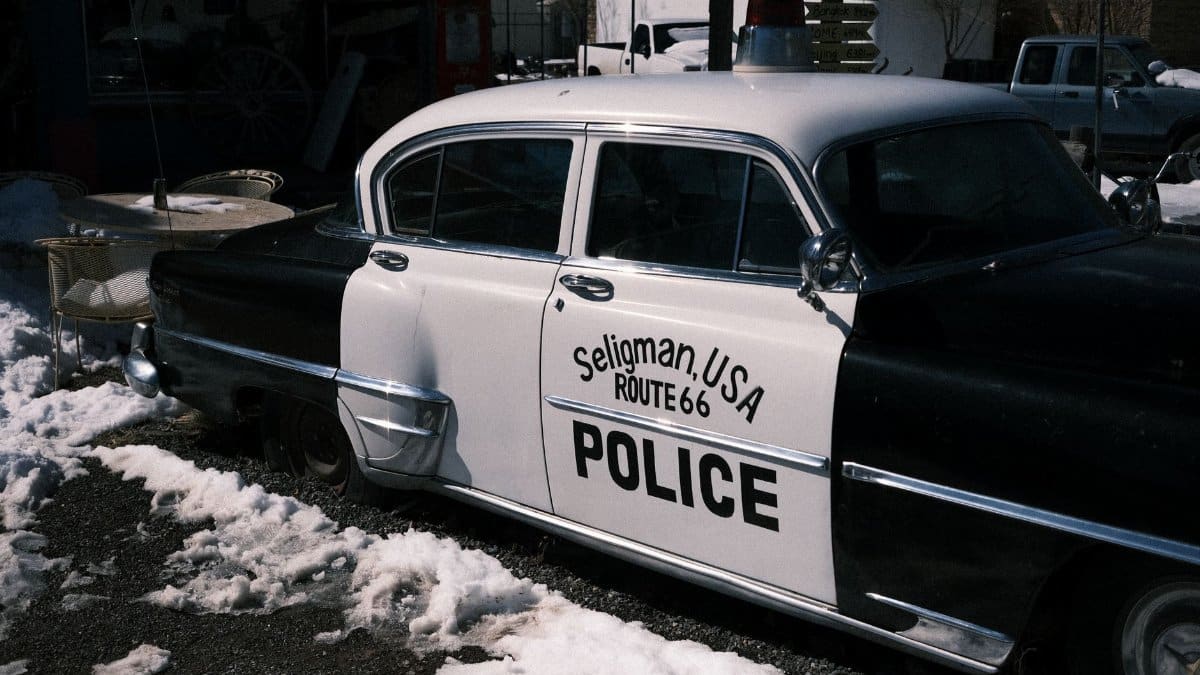
In the quiet suburbs of Surprise Arizona an unexpected event unfolded that left residents questioning the nature of public safety. The term Police Shooting Surprise captures the essence of what occurred on a recent evening when officers responded to a call that ended with gunfire. Witnesses described confusion and a sense of disbelief as the situation escalated rapidly. This incident highlights ongoing debates about law enforcement practices in American communities where split second decisions carry lasting consequences for all involved.
Background on the Surprise Arizona Location

Surprise has grown rapidly in recent decades becoming a hub for families seeking affordable living near larger cities. Its population now exceeds 150000 people with diverse neighborhoods that range from established subdivisions to newer developments on the outskirts. Local leaders have long emphasized community programs aimed at fostering trust between residents and municipal services including police outreach efforts at schools and parks. Yet the recent event serves as a reminder that even planned communities face complex challenges in maintaining order during high pressure encounters.
Sequence of Events During the Encounter

Officers arrived at a residential address following reports of a disturbance involving an armed individual. Body camera footage released later showed attempts at verbal communication before the situation shifted suddenly. One person sustained injuries from the exchange while authorities secured the area to prevent further escalation. Investigators continue to review all available recordings and witness statements to piece together a clear timeline without relying on speculation from early reports.
Community Reactions and Gatherings
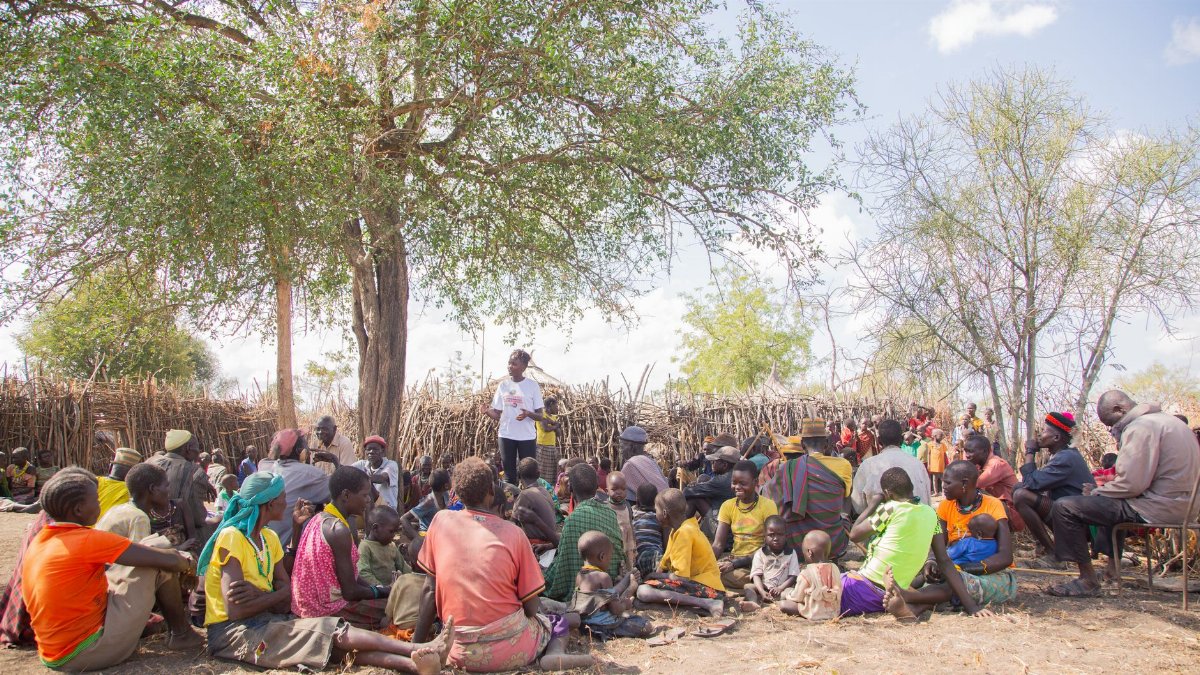
Neighbors gathered the next day at a nearby park to share concerns and offer support to affected families. Some expressed worry about future interactions with law enforcement while others called for patience as facts emerge through official channels. Local clergy members joined the discussion emphasizing the need for calm dialogue rather than division. These meetings reflect broader patterns seen in suburban areas where residents seek both accountability and stability after unsettling occurrences.
Role of Body Cameras in Modern Policing
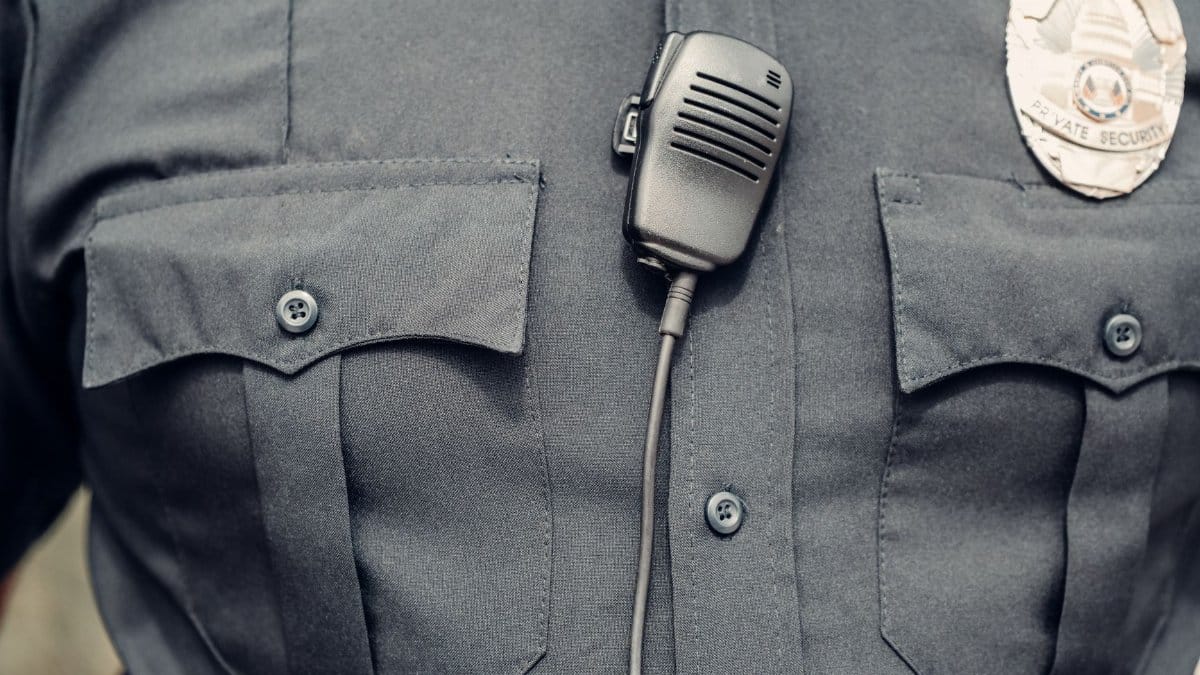
Equipment like body cameras has become standard in many departments across the country providing visual records that aid reviews of critical incidents. In this case the footage helped clarify movements and communications that might otherwise remain disputed. Advocates argue such tools promote transparency yet note they cannot capture every perspective or internal factor influencing an officer during tense moments. Departments in Arizona continue to refine policies on when and how recordings are shared with the public.
Legal Processes Following Officer Involved Events

Standard procedures require an independent examination by county prosecutors to determine if actions complied with state guidelines. This review can take weeks or months depending on the volume of evidence collected. Families of those involved often seek separate counsel to understand potential civil options. Throughout the process officials stress the importance of withholding judgment until all details receive thorough scrutiny under established legal frameworks.
Impact on Local Public Safety Discussions
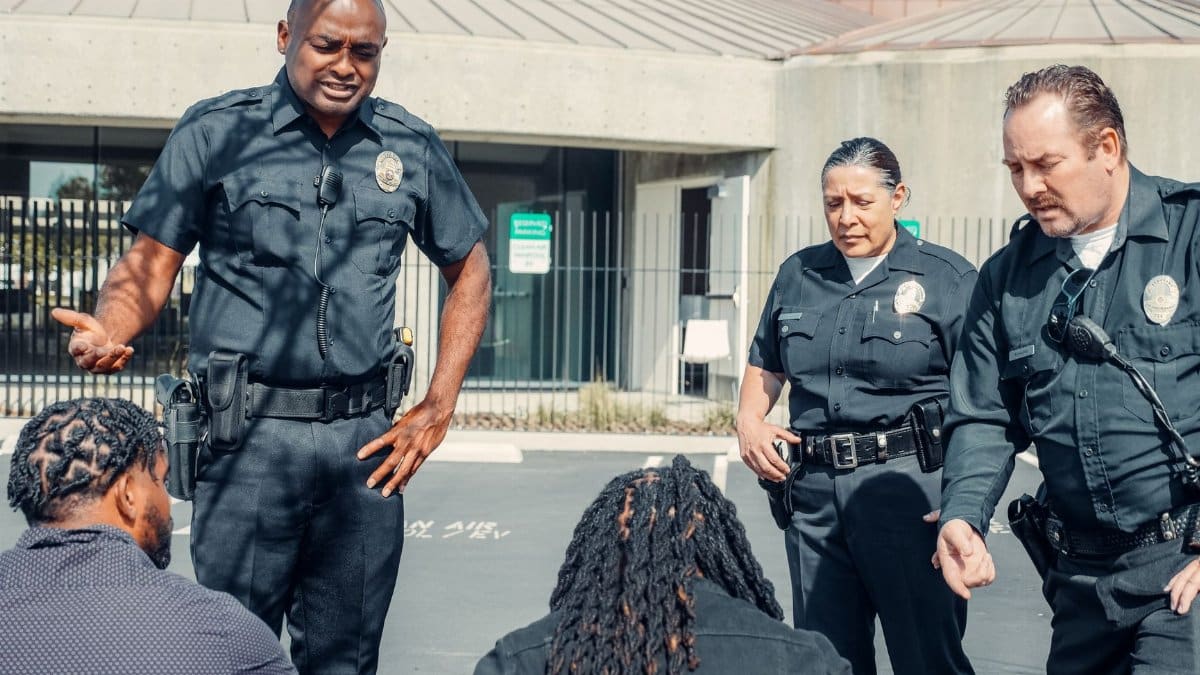
Police Shooting Surprise has prompted renewed conversations at city council sessions about training resources and de escalation techniques. Residents have submitted questions about response protocols in residential zones where space limits tactical options. Elected representatives have pledged additional forums to hear from both officers and civilians on ways to reduce risks during similar calls. Such exchanges aim to build mutual understanding without overlooking the inherent difficulties of the job.
Broader Trends in Suburban Law Enforcement
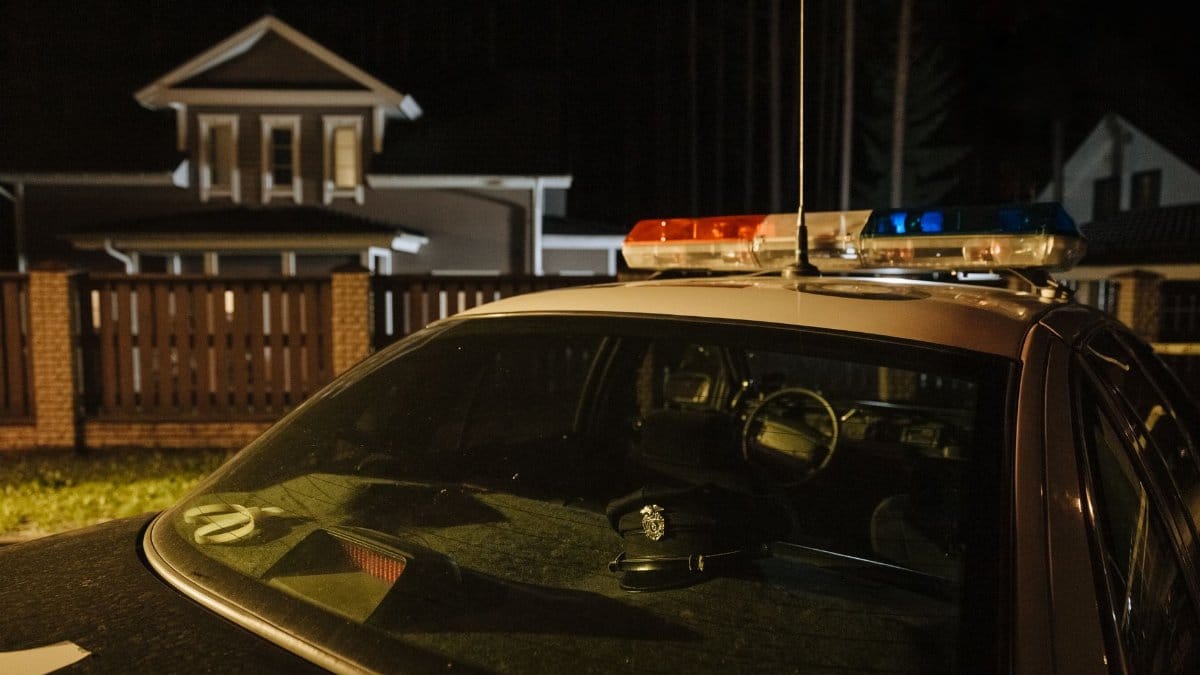
Suburban agencies nationwide report rising demands for mental health related responses alongside traditional crime calls. Surprise like many peers has expanded partnerships with social service providers to address underlying issues before they reach crisis levels. Data from state reports indicate mixed results from these initiatives with some reductions in repeat incidents but persistent gaps in coverage during overnight hours. Observers suggest sustained funding and staffing remain essential for meaningful progress.
Perspectives from Law Enforcement Professionals
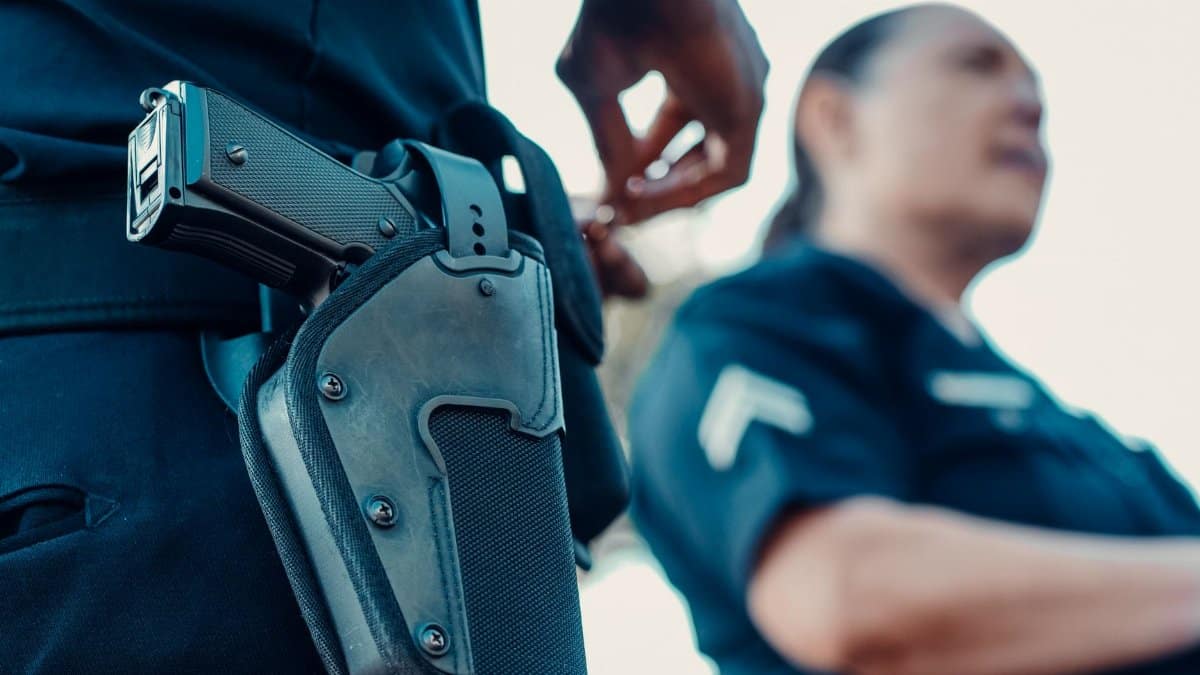
Officers describe the weight of decisions made under uncertain conditions where threats can emerge without warning. Training emphasizes situational awareness yet acknowledges that real world variables often exceed classroom simulations. Union representatives have highlighted the need for ongoing support programs to help personnel manage stress after traumatic shifts. These insights underscore the human element behind every badge in departments serving growing populations.