
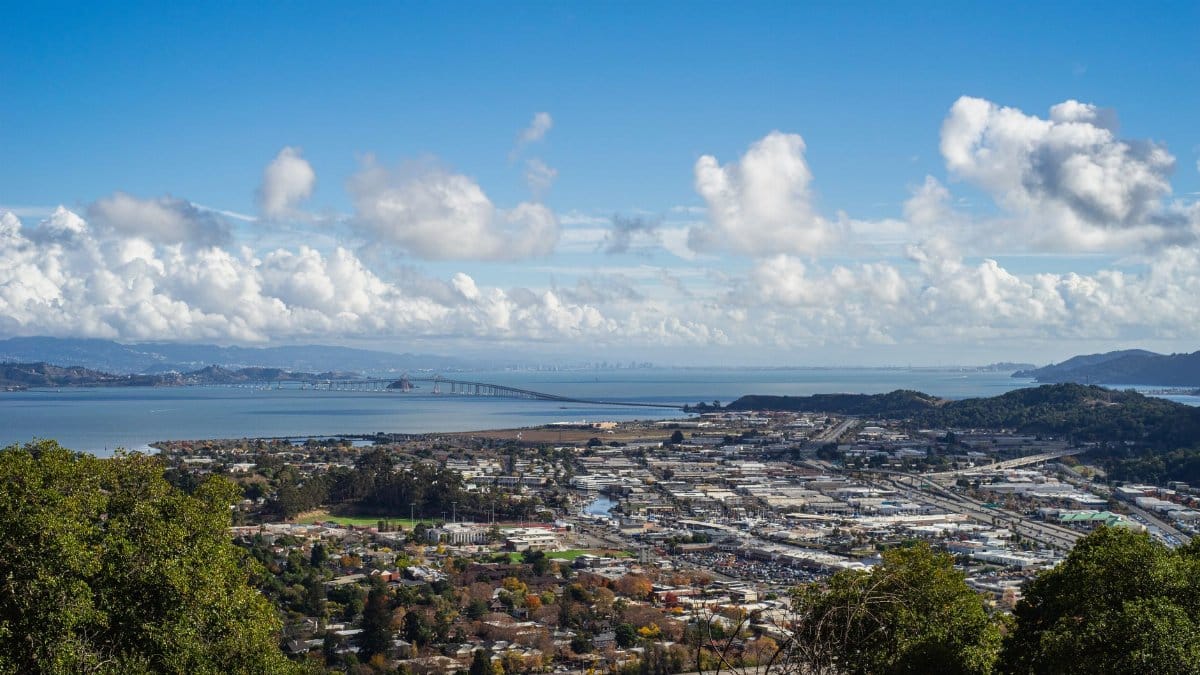
On a recent afternoon the familiar marine layer that usually shields the region from extreme conditions stayed offshore allowing moisture from the Pacific to linger and mix with rising temperatures in a way that left many residents feeling unusually drained. Parks and plazas that normally buzz with activity saw fewer visitors as people sought shade or stayed indoors near fans and air conditioners. Local health officials noted an uptick in calls about fatigue and dehydration even before peak heat arrived. In response authorities activated the Bay Area heat advisory to highlight the combined threat of warmth and humidity that can strain the body more quickly than dry heat alone.
Regional Temperature Trends This Summer

Meteorologists have tracked a pattern of warmer than average nights across much of the region this season which prevents overnight cooling and builds cumulative stress on residents. Data from several monitoring stations showed minimum readings remaining elevated compared with historical averages for the same period. This trend contributes to greater overall discomfort when daytime peaks arrive and helps explain why the current alert covers a broad area rather than isolated pockets.
How Humidity Changes the Experience of Heat
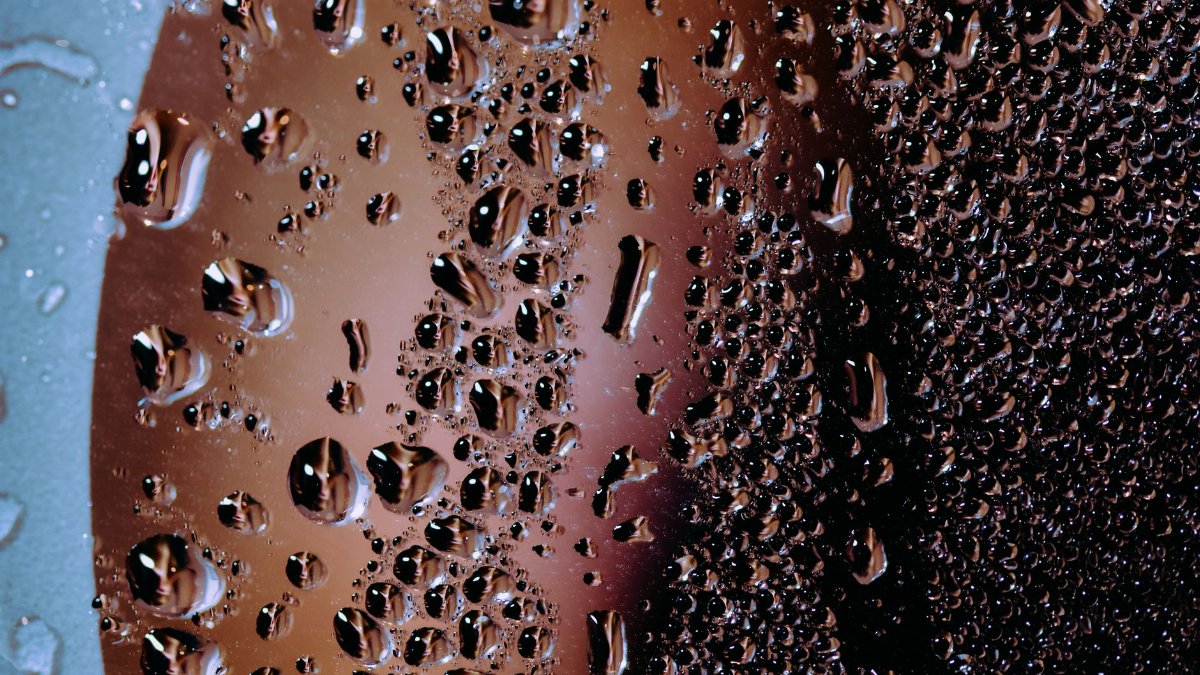
High moisture content in the air reduces the efficiency of sweat evaporation which serves as the primary cooling mechanism for the human body. When humidity levels climb above typical summer marks the same air temperature can feel several degrees warmer to the skin. Forecasters therefore adjust public guidance to account for this effect rather than relying on temperature readings in isolation.
Impacts on Vulnerable Populations

Older adults and individuals with chronic health conditions face elevated risks during periods of sustained warmth and moisture. Caregivers are encouraged to check on neighbors and relatives multiple times each day and to ensure access to cool water and shaded rest areas. Community centers have extended operating hours in several cities to provide temporary relief for those without reliable cooling at home.
Local Infrastructure Under Strain
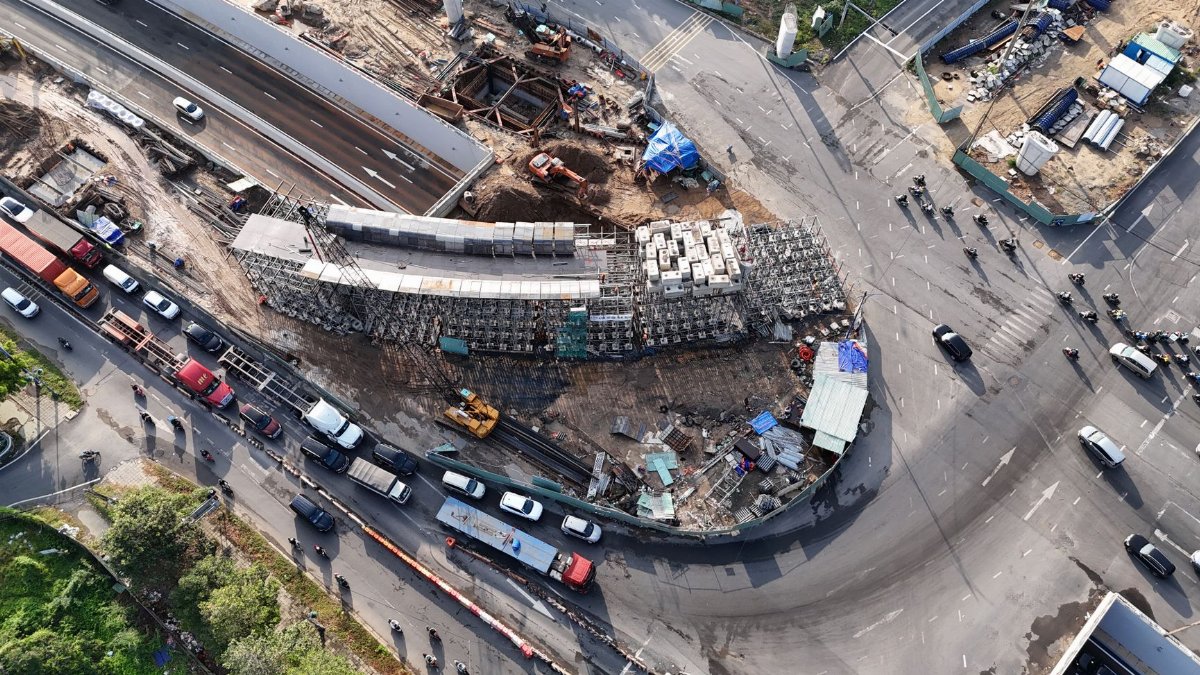
Power grids experience higher demand as air conditioning units run for longer stretches and at greater intensity. Utility companies monitor load levels closely and urge conservation during afternoon hours to avoid disruptions. Public transit systems also report occasional delays linked to equipment stress in the elevated conditions.
Outdoor Activity Recommendations

Athletes and workers who spend extended time outside are advised to adjust schedules toward early morning or late evening slots when feasible. Frequent breaks in shaded spots and steady fluid intake become essential rather than optional. Event organizers have postponed or relocated some gatherings to indoor venues with climate control.
Comparison With Past Heat Advisories

Previous alerts in the region often coincided with dry conditions that allowed quicker recovery once the sun set. The current situation differs because elevated moisture prolongs the period of discomfort into the night. This distinction prompts health agencies to extend their outreach efforts beyond the traditional daytime window.
Looking Ahead to Seasonal Patterns

Long range models suggest additional pulses of warmth and humidity could develop later in the month though exact timing remains uncertain. Preparedness measures put in place now can reduce the public health burden if subsequent episodes follow a similar profile. Continued monitoring by weather services will help refine guidance as conditions evolve.