
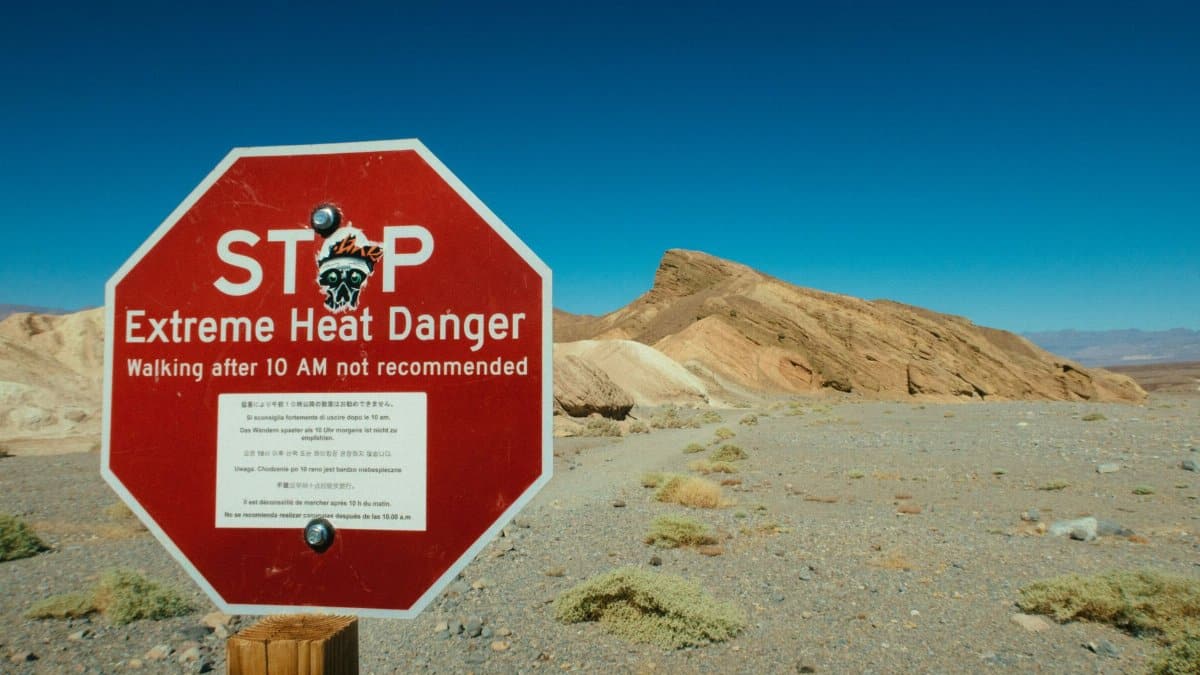
In the heart of summer residents across the region often find themselves seeking relief from the relentless sun and stifling humidity that define daily life. This year authorities issued urgent alerts as temperatures soared highlighting the persistent challenges posed by Southeast Texas heat. Communities have adapted in various ways over decades yet the intensity seems to grow each season affecting everything from outdoor activities to public health measures.
Local Weather Patterns and Recent Trends
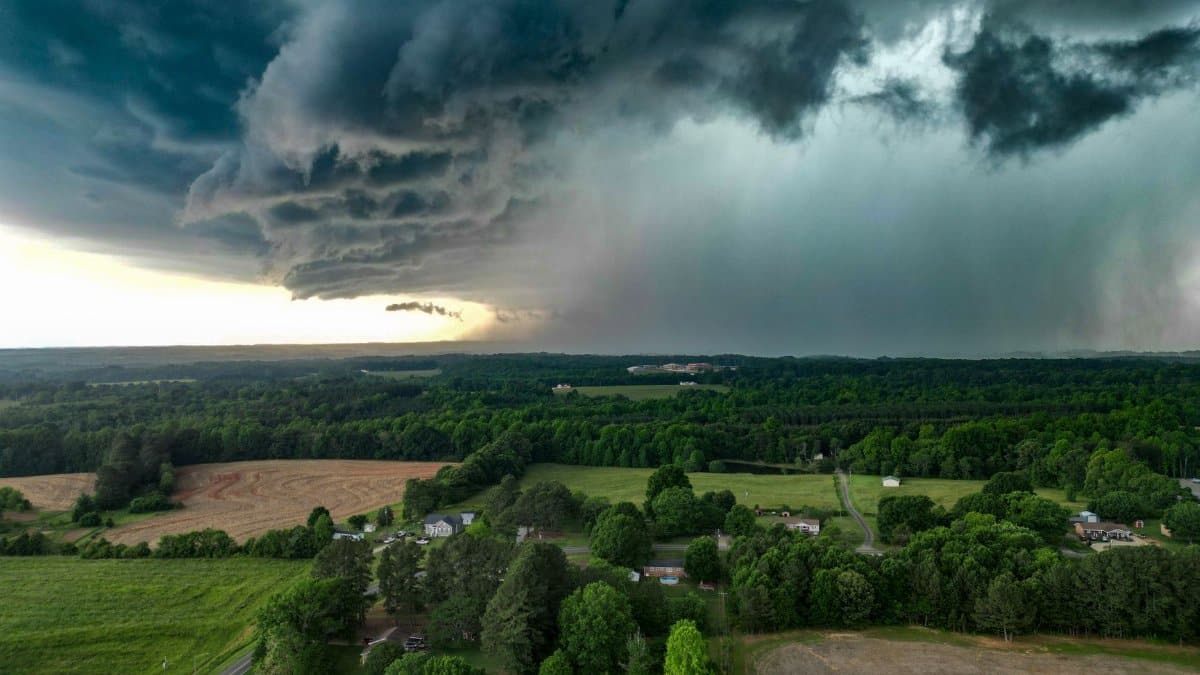
Forecasters have noted shifts in atmospheric conditions that bring prolonged periods of high temperatures combined with moisture from the Gulf. These elements create an environment where the body struggles to cool itself efficiently leading many to limit time outdoors during peak hours. Historical records show similar episodes but current observations point to more frequent occurrences that strain resources in cities like Houston.
Health Impacts on Vulnerable Groups

Elderly individuals and those with preexisting conditions face elevated risks when exposed for extended periods. Hospitals report increased visits for dehydration and related issues during these episodes. Public health officials recommend staying hydrated and checking on neighbors as simple steps that can prevent serious complications.
Economic Effects on Daily Operations
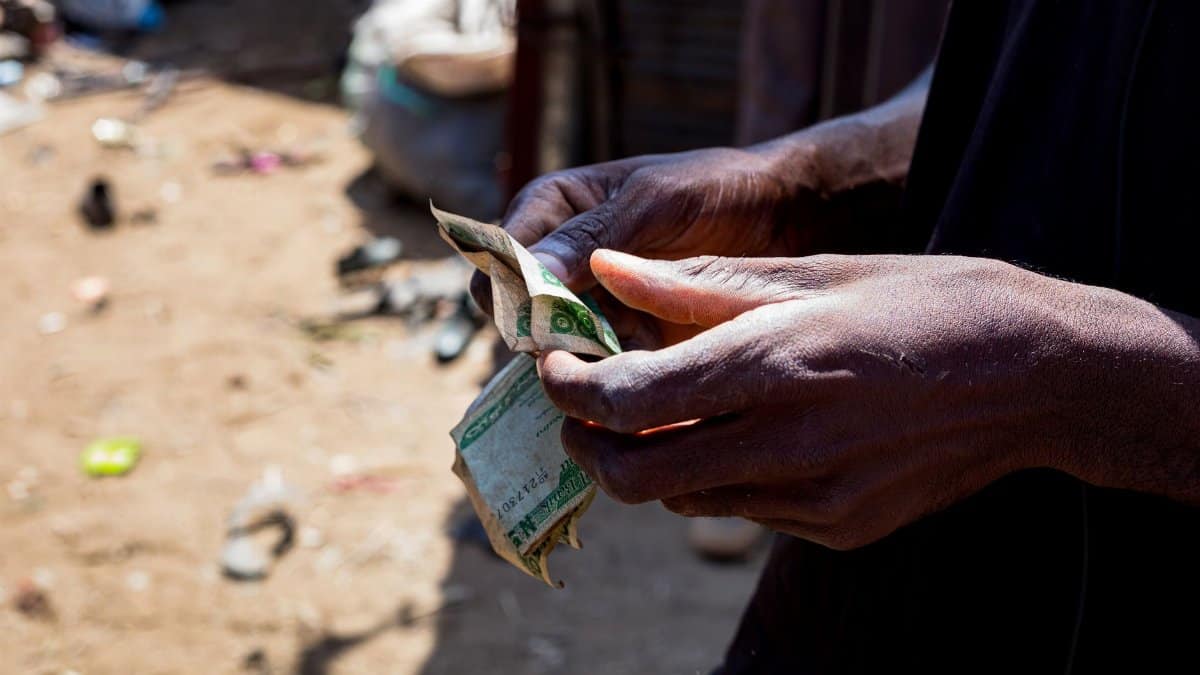
Businesses in construction and agriculture adjust schedules to avoid the hottest parts of the day. This shift can reduce productivity yet it protects workers from exhaustion. Energy demands also spike as air conditioning units run nonstop prompting utilities to issue conservation requests to avoid overloads.
Community Response and Preparedness
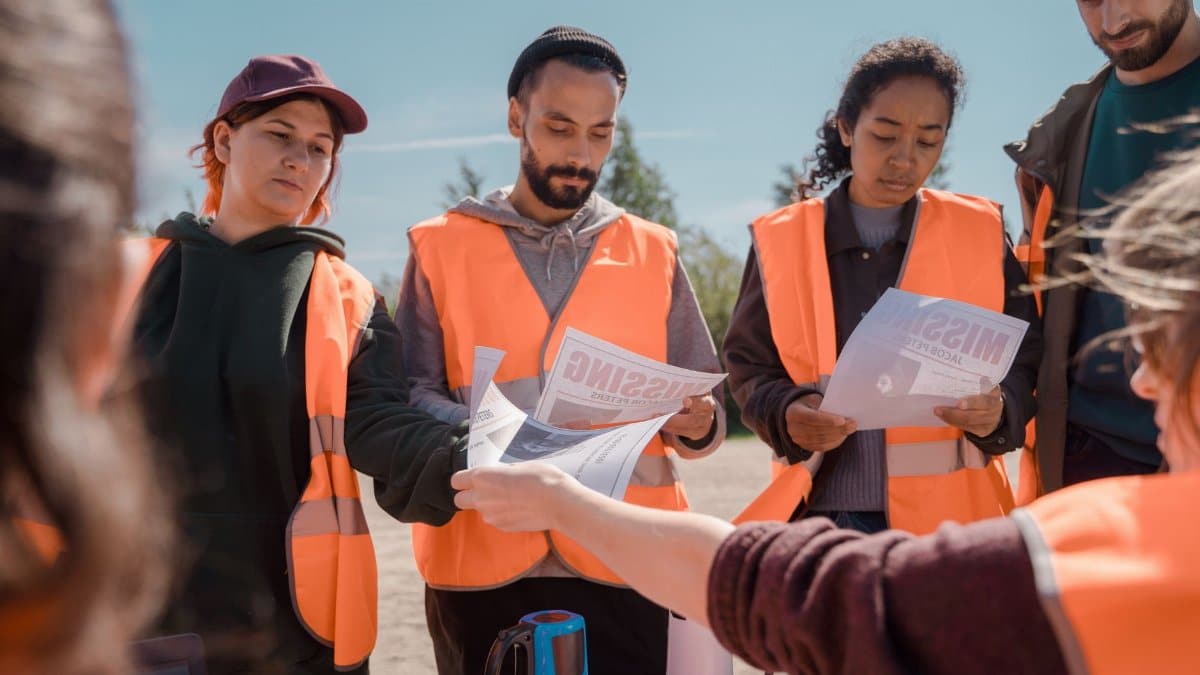
Local organizations set up cooling centers in libraries and recreation facilities to offer respite. Volunteers distribute water and information on recognizing early signs of heat stress. These efforts build on past experiences to create networks that respond quickly when warnings are issued.
Historical Context of Regional Heat Events
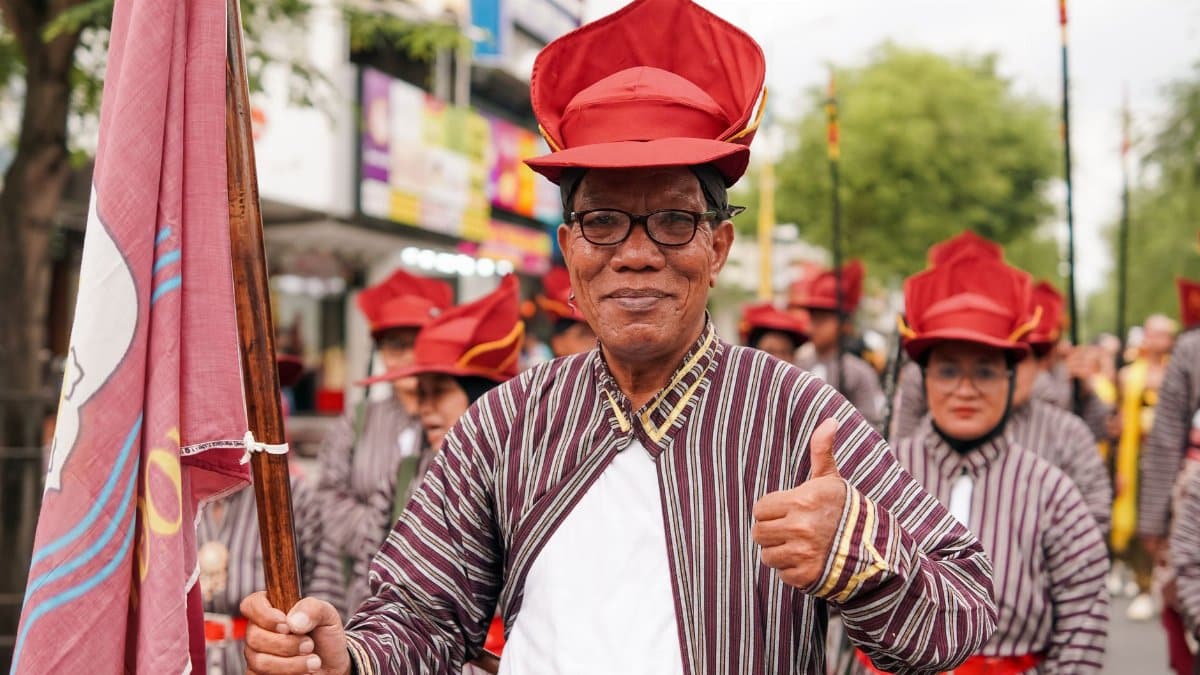
Archives reveal that Southeast Texas has endured notable heat episodes dating back generations. Residents recall times when fans and shade were primary defenses before modern cooling became widespread. Lessons from those eras inform current strategies though technology now plays a larger role in mitigation.
Role of Urban Development in Amplifying Conditions
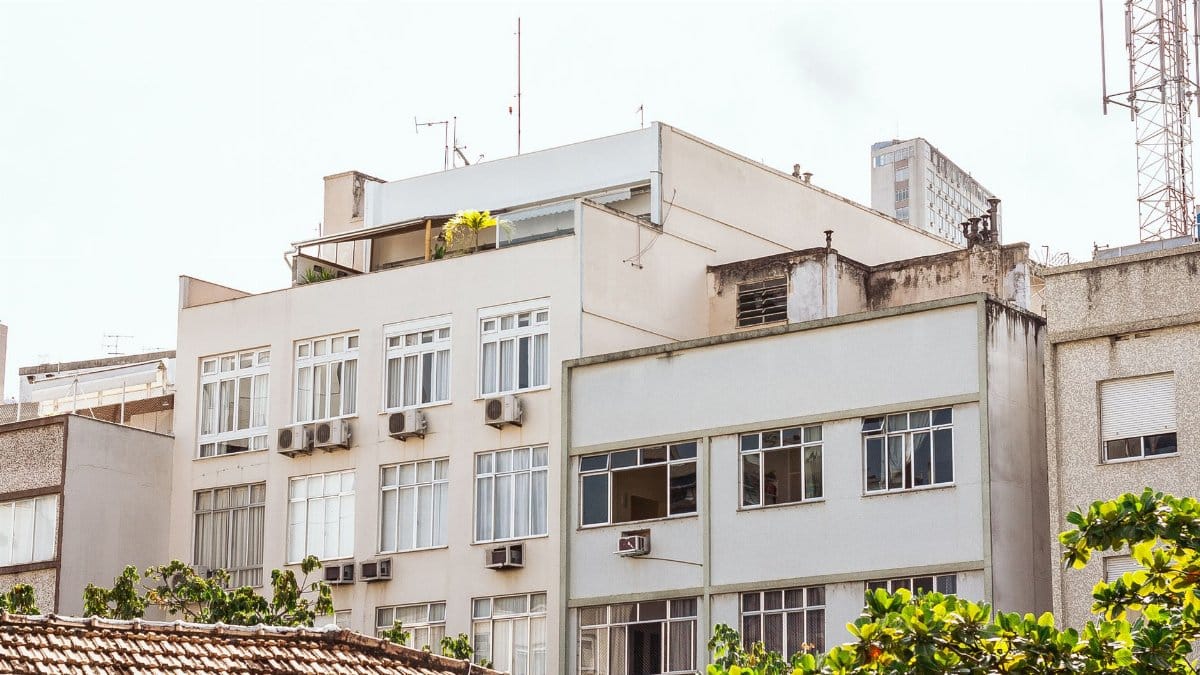
Expansion of concrete surfaces and reduced green spaces contribute to warmer microclimates in densely populated areas. City planners explore ways to incorporate more trees and reflective materials to ease surface temperatures. Such modifications require time and investment but offer long term benefits for livability.
Personal Adaptations Among Residents

Many families alter routines by rising earlier for errands or gathering indoors during afternoons. Gardening enthusiasts move activities to shaded spots or evenings. These individual choices reflect a broader awareness that collective action helps manage the seasonal burden.
Broader Environmental Connections
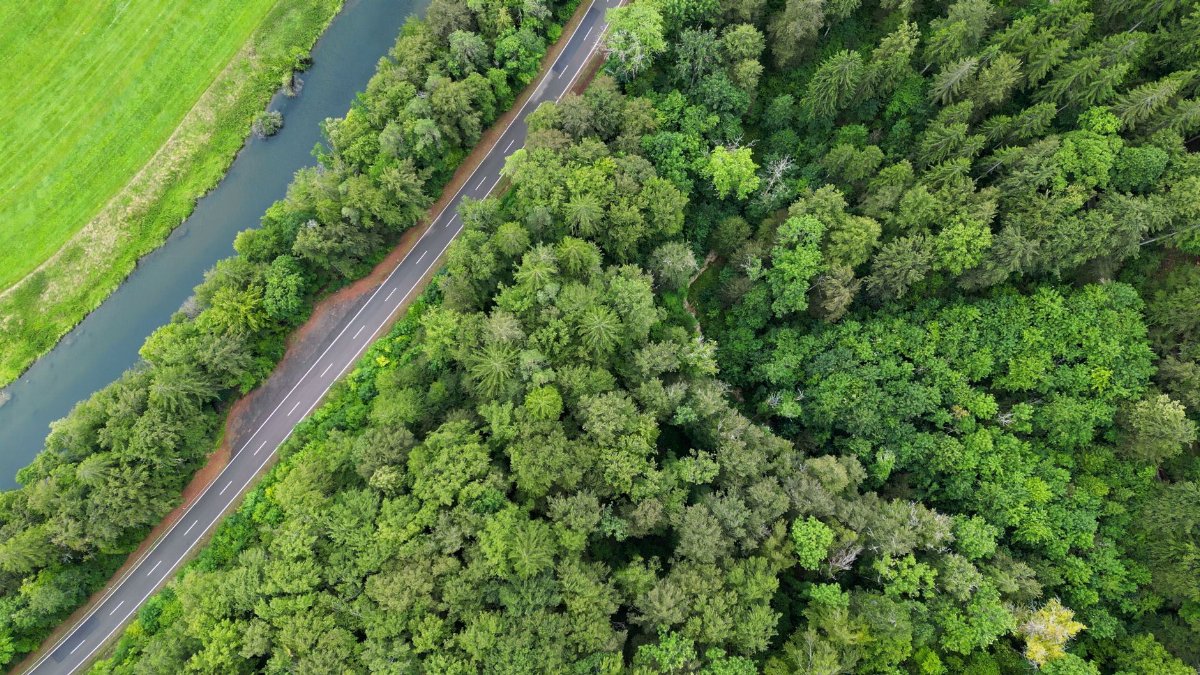
Discussions link these heat patterns to larger climate dynamics though opinions vary on causes and solutions. Scientists continue monitoring data from stations throughout the area to track changes. Understanding these ties can guide future policies aimed at sustainability.
Looking Ahead to Future Seasons

With projections suggesting continued challenges officials emphasize ongoing education and infrastructure improvements. Southeast Texas heat remains a constant factor in regional identity yet proactive measures can reduce its toll. Residents and leaders alike recognize the need for sustained attention to this aspect of local life.