
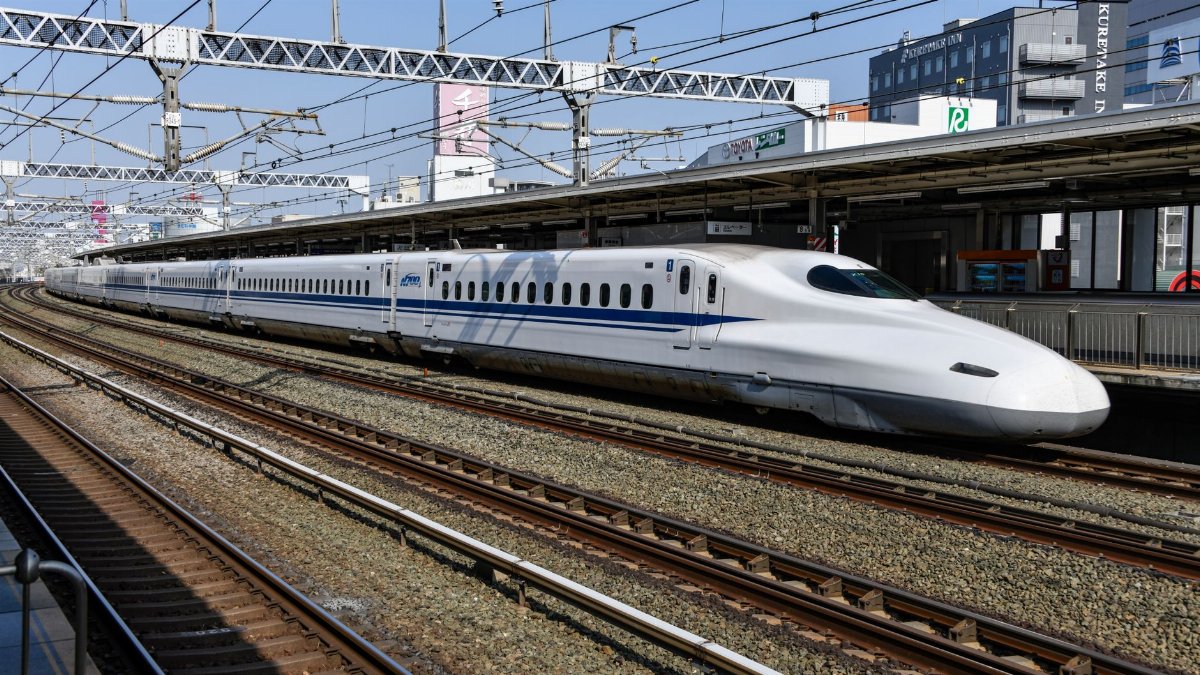
California has long imagined a future where its coastal cities feel closer together allowing residents to move between them with ease and purpose. This vision gains traction as High Speed Rail SF promises to reshape travel patterns across the state in coming decades.
Roots of a Statewide Ambition

The effort to build fast rail lines in California stretches back decades with early proposals focusing on easing congestion on busy highways. Planners saw an opportunity to link economic centers while reducing reliance on cars and planes for medium distance trips. Recent funding approvals totaling around one hundred twenty six billion dollars have revived interest in completing a line from the north to the south by twenty forty.
Funding Paths and Fiscal Realities

Securing such large sums involves a mix of state bonds federal grants and private investment. Lawmakers continue to debate allocation priorities as costs rise due to engineering challenges in mountainous areas. Public support remains steady when benefits like shorter commutes and lower emissions come into focus.
Engineering Demands Across Varied Terrain
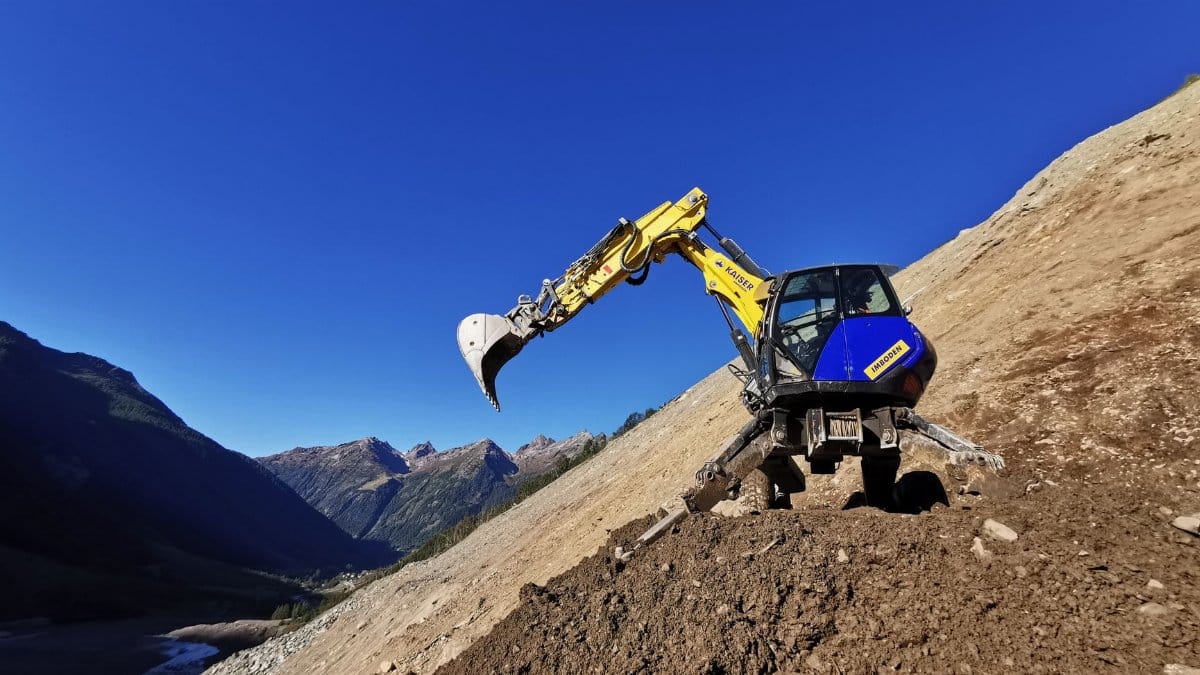
Routes must navigate everything from dense urban zones to rural valleys requiring tunnels bridges and elevated tracks. Teams study soil conditions and seismic risks to ensure long term stability. These technical hurdles explain why timelines extend into the next generation.
Effects on Daily Life for Residents
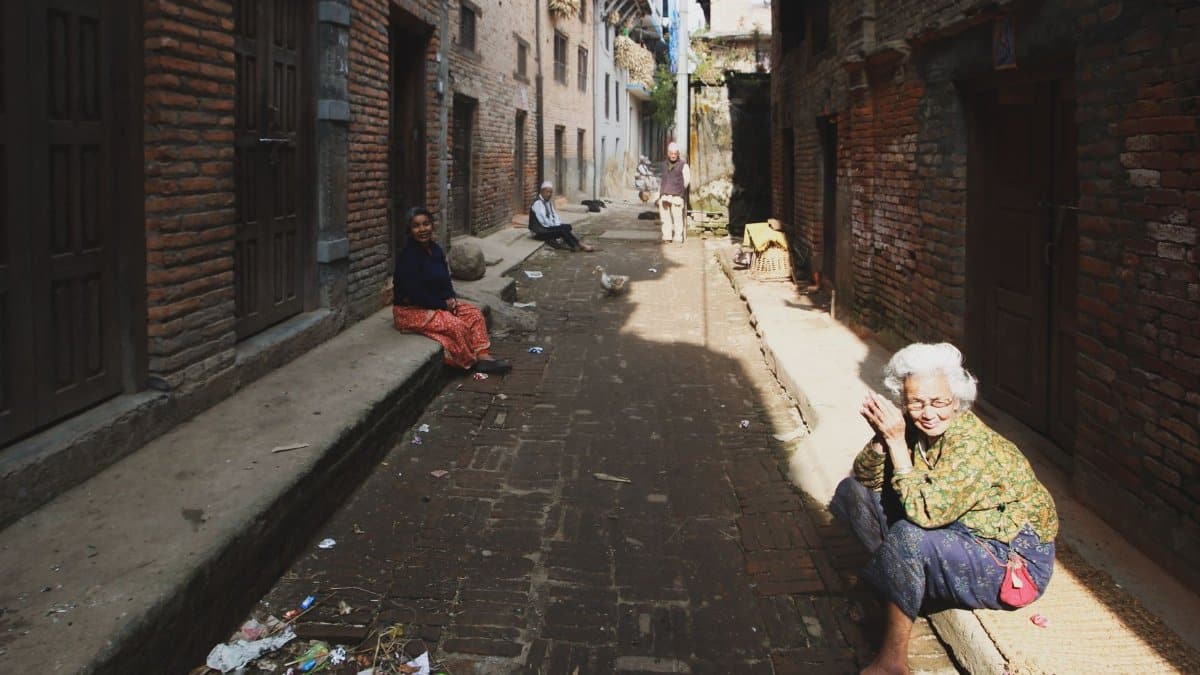
Once operational the service could let families visit relatives more often or professionals attend meetings without overnight stays. Reduced flight numbers might ease airport crowds while cutting carbon output from transportation. Communities near stations could see new housing and business growth.
Environmental Gains and Tradeoffs
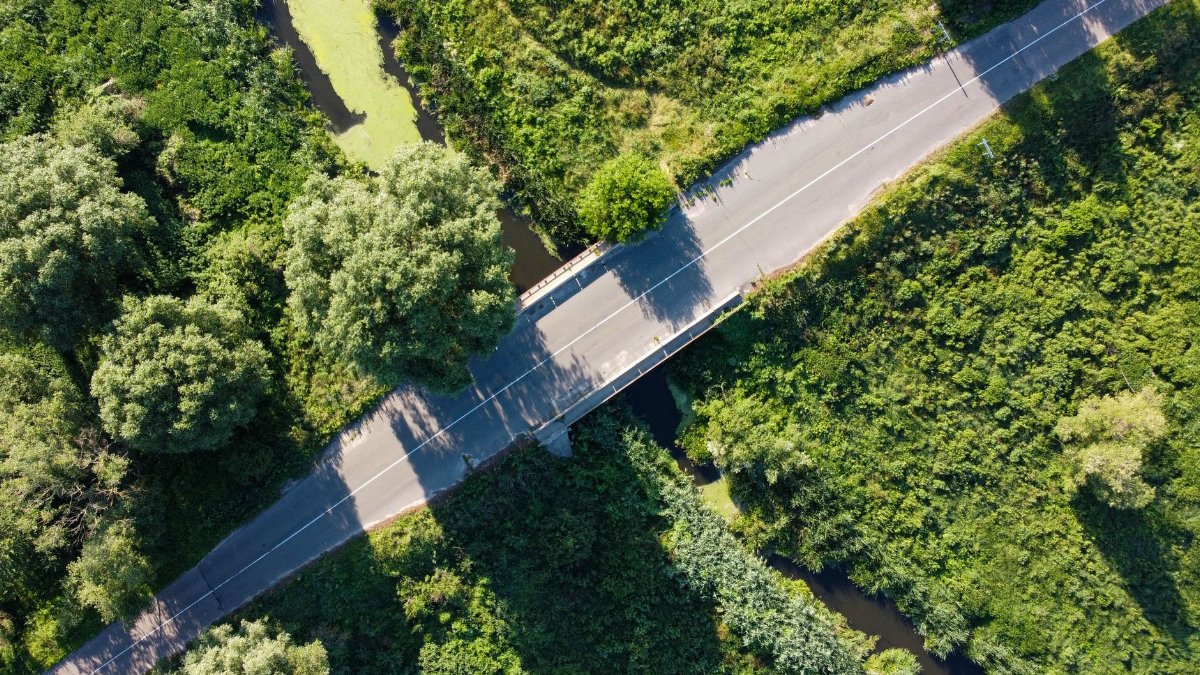
Electric powered trains offer cleaner alternatives to gasoline vehicles yet construction itself disturbs habitats and consumes resources. Advocates point to overall emission drops over time as more people shift away from driving. Careful route planning aims to limit damage to sensitive ecosystems.
Comparisons With Global Rail Systems
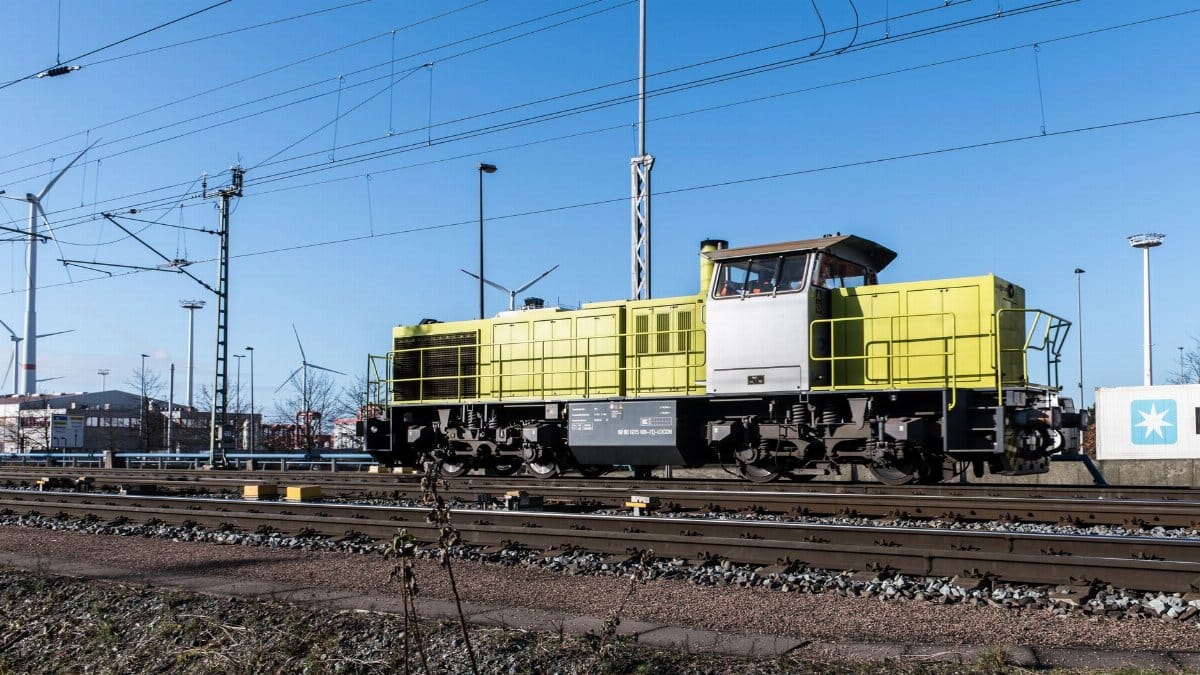
Countries like Japan and France have operated similar networks for years demonstrating reliable high volume service. Lessons from those successes include strong maintenance routines and integrated ticketing. California officials study these models to avoid common pitfalls.
Community Voices and Local Concerns
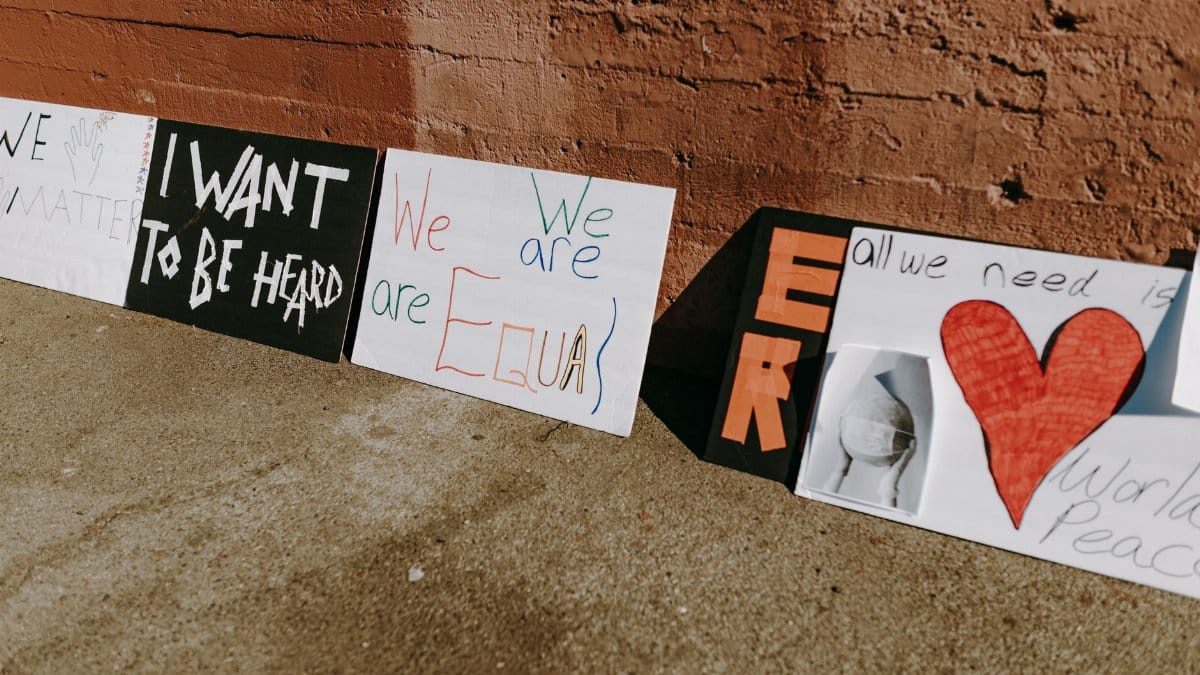
Some neighborhoods worry about noise or land use changes while others welcome job creation during building phases. Town halls allow residents to share input on station locations and design features. Balancing these views shapes final plans.
Timeline Projections and Milestones

Current schedules target initial segments opening before full coast to coast service begins. Delays from permitting or supply issues remain possible as seen in past infrastructure work. Steady progress depends on consistent political backing.
Broader Impacts on Regional Economies
Connected cities often experience boosted trade and tourism with workers accessing wider job markets. Smaller towns along the line might attract new investment drawn by improved access. Overall growth patterns could shift as mobility improves.
Looking Ahead at Transit Evolution
High Speed Rail SF represents one piece of a larger network that might expand to other regions later. Its success could inspire further investments in sustainable options across the west. The project embodies a commitment to thoughtful progress that honors both tradition and innovation in how people journey through their state.