

In the heart of New England a last minute rescue from across the Atlantic rescued an ambitious plan that had seemed doomed. Community leaders and local officials had poured resources into preparations for a series of high profile soccer events only to face mounting shortfalls and sharp criticism from city hall. Then came an unexpected wave of support from Scottish clubs and their traveling supporters whose energy and contributions helped stabilize the entire effort. Boston World Cup matches went on to draw nearly four hundred fifty thousand visitors and delivered a financial and cultural boost that few had predicted.
Early Funding Shortfalls Threaten the Entire Project

City planners had envisioned seven matches as a showcase for urban renewal yet initial estimates proved wildly optimistic. Construction delays at key venues pushed costs higher while corporate sponsors hesitated amid economic uncertainty. Without fresh capital the schedule risked cancellation and local taxpayers faced the prospect of absorbing heavy losses. Officials scrambled for state aid but legislative sessions dragged on without resolution.
Scottish Clubs Step Forward With Timely Assistance

Executives from Glasgow and Edinburgh organizations offered training facilities and promotional partnerships that reduced expenses dramatically. Their fans booked blocks of hotel rooms in advance which guaranteed revenue streams for downtown businesses. This infusion of practical help arrived at a critical juncture when domestic backers had grown wary. The collaboration highlighted how international ties can rescue projects that local politics alone cannot sustain.
Political Opposition Creates Unexpected Roadblocks
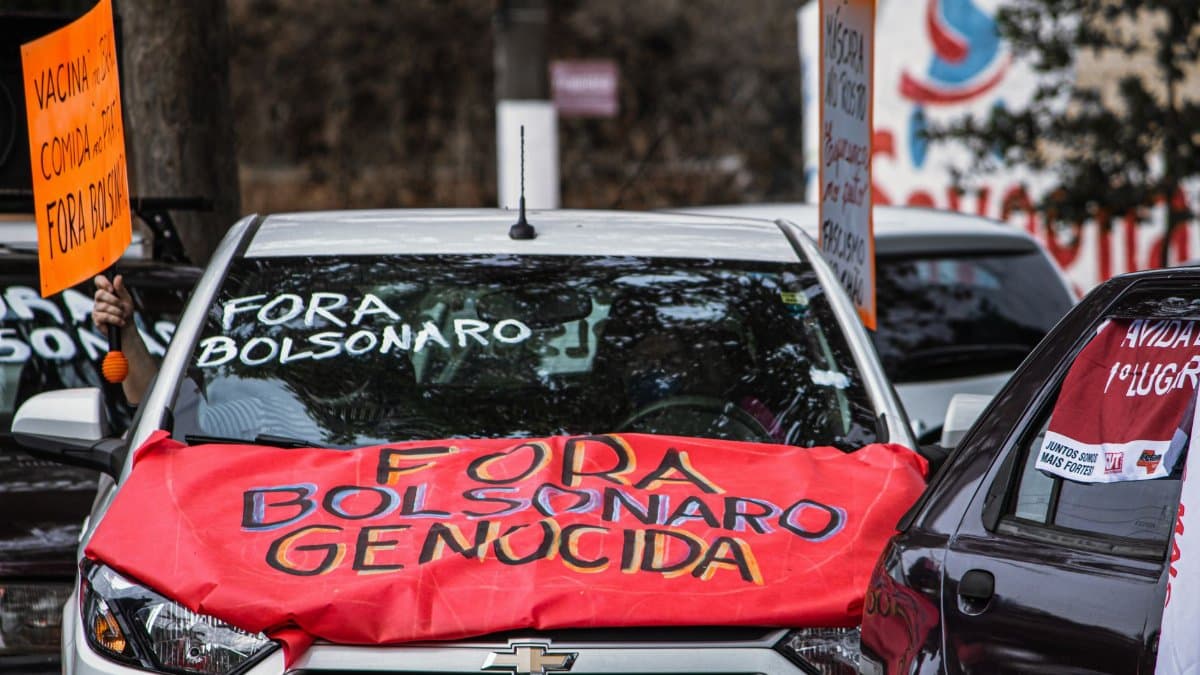
Council members questioned the wisdom of prioritizing sports over schools and transit repairs. Hearings stretched late into the night as residents voiced concerns about traffic and noise. Some lawmakers proposed scaling back the number of matches but that move would have voided agreements with international federations. Compromises emerged only after marathon negotiations that tested the patience of every participant.
Community Volunteers Fill Gaps Left by Budget Cuts
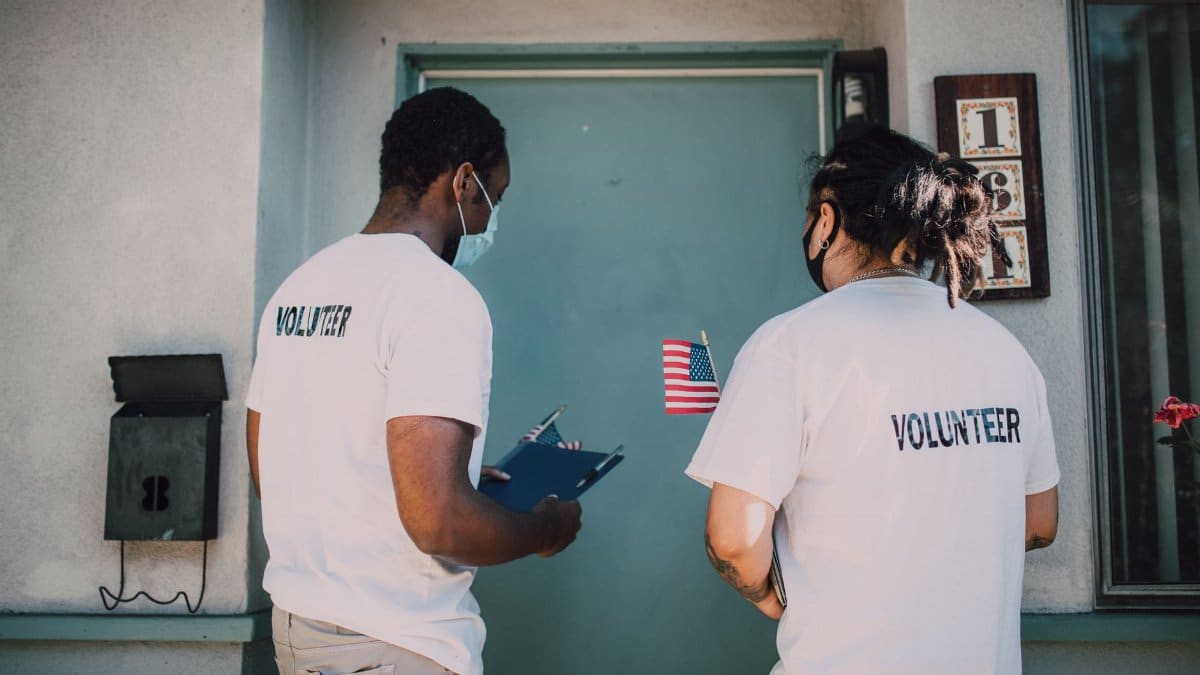
Residents organized shuttle services and multilingual guides to welcome visitors from abroad. Churches and neighborhood associations hosted welcome events that fostered goodwill beyond the stadium walls. These grassroots efforts compensated for reduced municipal staffing and created an atmosphere of genuine hospitality. The result was a visitor experience that felt personal rather than corporate.
Attendance Figures Exceed Projections by Wide Margin
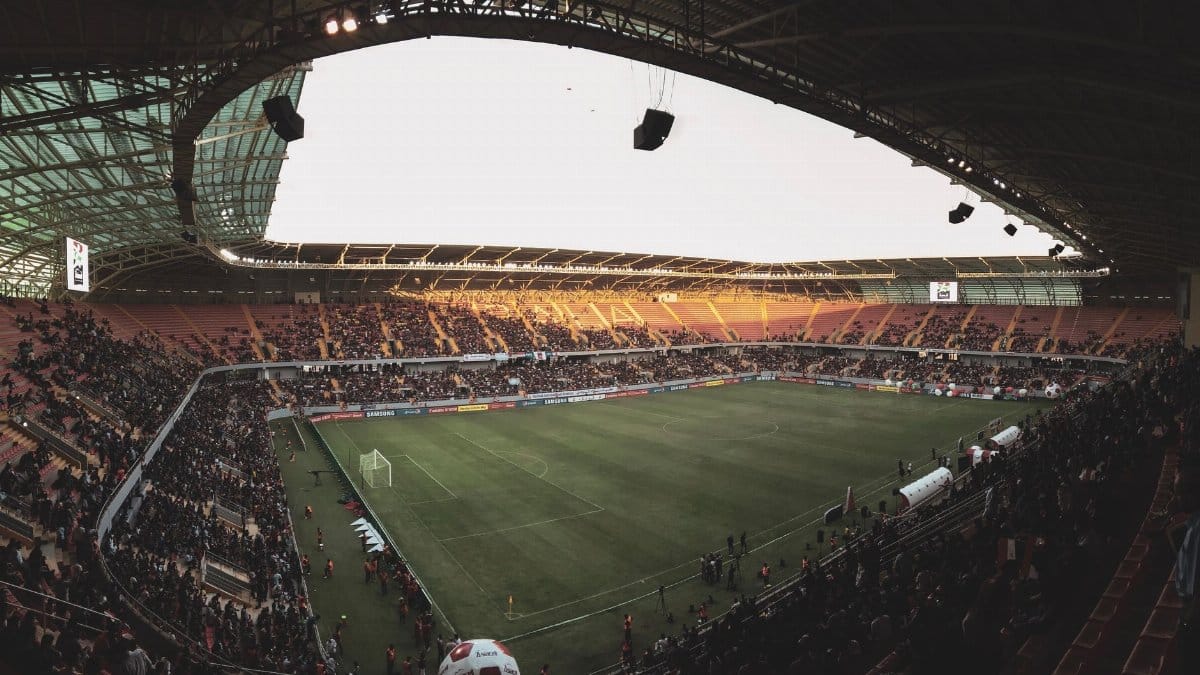
Final counts showed nearly four hundred fifty thousand spectators across the seven contests. Hotels reported full occupancy for ten consecutive days while restaurants extended hours to meet demand. Local transit agencies recorded record ridership that offset earlier fears of underuse. Analysts later credited the Scottish connection for much of the surge in overseas ticket purchases.
Long Term Infrastructure Gains From the Hosting Effort

Renovations completed under the event umbrella improved several aging facilities that now serve youth leagues year round. Improved lighting and seating benefited schools that share the venues. New pedestrian pathways installed for crowd control remain popular with daily commuters. These lasting upgrades softened criticism that the project had been merely a temporary spectacle.
Media Coverage Shifts From Skepticism to Celebration
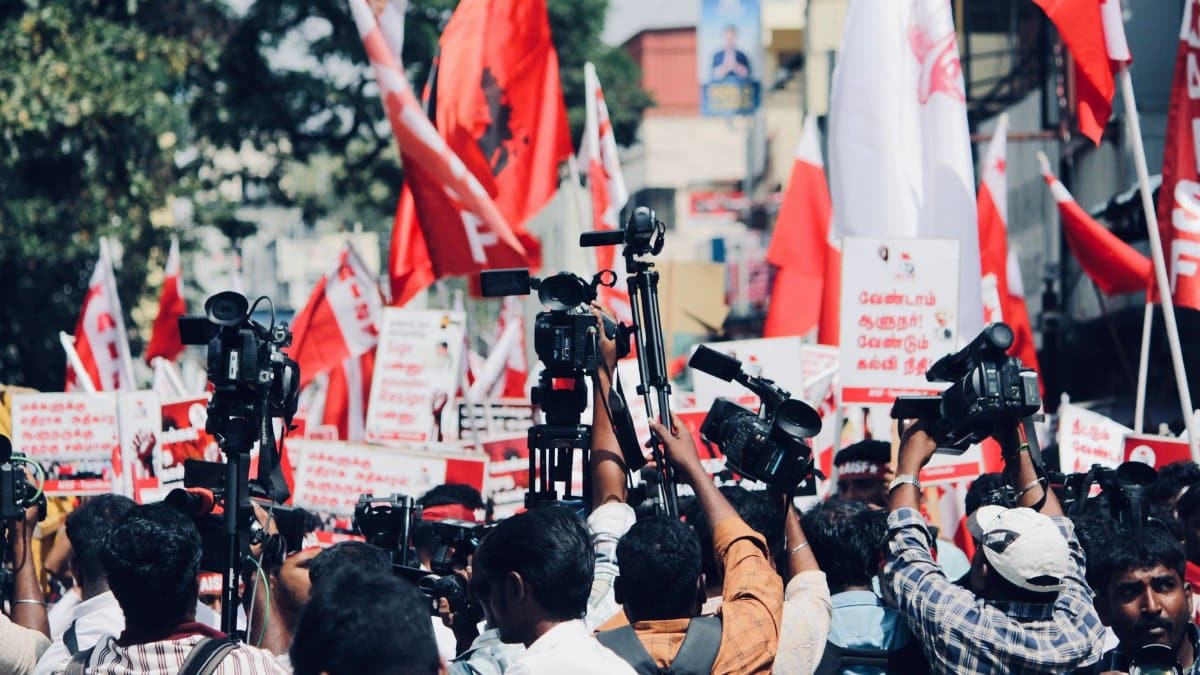
Initial reports focused on cost overruns and political friction. As matches unfolded tone changed toward stories of cross cultural friendships and economic spillovers. National outlets highlighted the Scottish role in salvaging the bid which added an appealing narrative layer. Local journalists noted increased pride among residents who had doubted the enterprise months earlier.
Lessons for Future International Sporting Bids
Planners elsewhere can observe how early private partnerships mitigate public funding risks. The Boston experience also shows the value of reaching beyond traditional donor bases to diaspora communities and allied clubs. Clear communication about community benefits proved essential in maintaining support during difficult periods. These insights may shape how other mid sized American cities approach similar opportunities.