
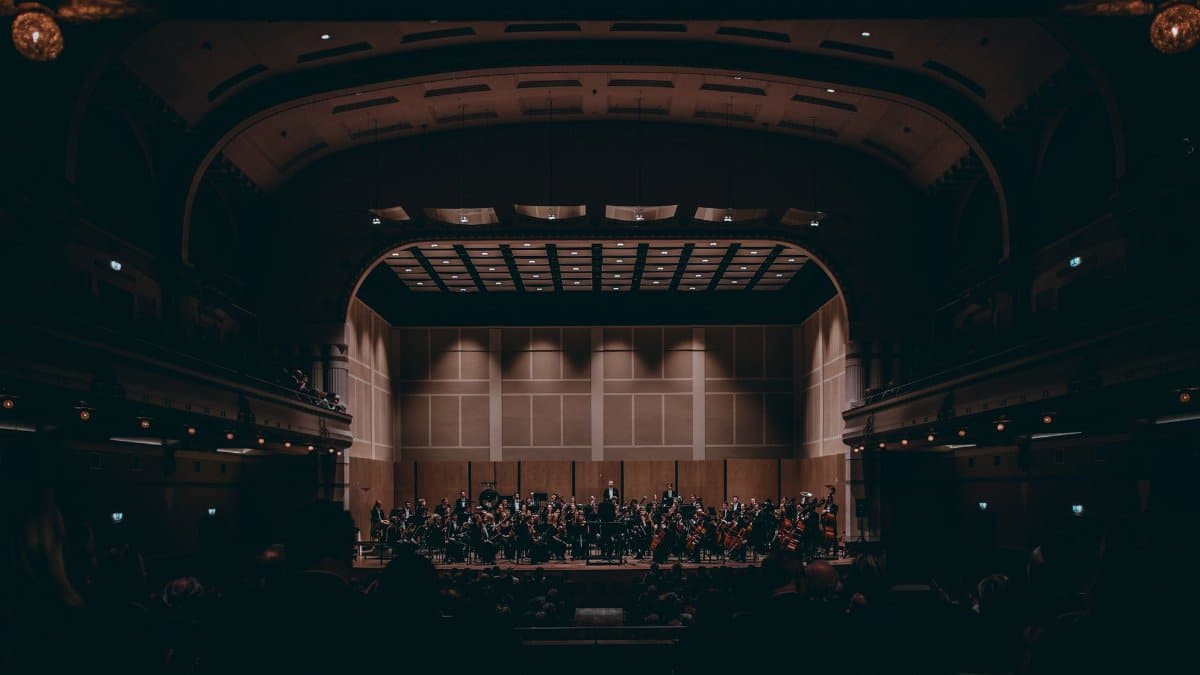
The Boston Symphony Orchestra stands as one pillar of American cultural heritage with seasons of acclaimed performances drawing crowds to Symphony Hall. Yet recent board actions have left the ensemble facing internal strife and questions about its path forward. The choice not to extend the leadership term of music director Andris Nelsons has fueled open expressions of dismay from players and supporters. Observers now point to mounting pressures on budgets, audience trends and artistic direction as factors that together form what many call the BSO crisis. This episode raises broader questions about how venerable institutions adapt amid shifting expectations from artists and the public.
Board Decision Sparks Immediate Backlash

Musicians learned of the contract outcome through formal channels yet the response spread quickly across the orchestra. Players described a sense of betrayal after years of collaborative work that had elevated the groups profile. Public statements from the ensemble underscored a desire for greater involvement in leadership choices. The episode exposed gaps in communication between management and artists that had gone unaddressed for some time.
Financial Pressures Mount Behind the Scenes

Operating costs for a major symphony include musician salaries venue maintenance and touring expenses that continue to rise. Revenue from ticket sales and donations has not kept pace in recent seasons leaving leaders to consider program reductions or increased fundraising targets. The BSO crisis arrives at a moment when many peer organizations report similar shortfalls tied to changing leisure habits among middle aged audiences.
Artistic Vision in Question After Leadership Shift

Andris Nelsons had guided the group through ambitious repertoire choices and acclaimed recordings that earned international notice. Without his continued presence questions arise about the artistic identity the orchestra will pursue next. Some observers wonder whether the board seeks a different emphasis on contemporary works or a return to core classical programs that appeal to longstanding subscribers.
Musician Morale and Retention Concerns Grow

Ensemble members have voiced worries that talented players may seek positions elsewhere if the current atmosphere persists. Rehearsal dynamics have reportedly shifted with less open dialogue between sections and podium. Sustaining the high level of performance that defines the group requires attention to these human elements alongside financial plans.
Audience Reactions Reflect Wider Cultural Trends

Regular concertgoers express confusion and disappointment over the abrupt change in direction. Some longtime attendees have begun to question their continued support while others call for renewed dialogue between the board and the community. The BSO crisis mirrors challenges faced by other performing arts groups as demographics and expectations evolve.
Historical Precedents Offer Limited Guidance

Past transitions at major orchestras have sometimes led to renewed energy yet they have also produced periods of instability. Lessons from those experiences suggest that transparent processes and inclusive planning can ease tensions. Current leaders may draw on such examples while crafting a response tailored to present circumstances.
Potential Paths Toward Resolution Emerge

Discussions have begun around revised governance models that give musicians a stronger voice in key decisions. Fundraising campaigns focused on long term stability could provide resources for both artistic projects and operational needs. The BSO crisis may serve as a catalyst for structural changes that strengthen the organization for decades ahead.
Broader Implications for American Orchestras

What unfolds in Boston could influence practices at ensembles across the country facing parallel pressures. Stakeholders watch closely to see whether solutions emphasize collaboration or further centralize authority. The outcome may shape how classical music institutions balance tradition with necessary adaptation in coming years.