

Recent developments in the produce industry have drawn widespread attention to a lettuce recall involving products from Taylor Farms. The company has taken action to remove certain iceberg lettuce items from shelves in numerous locations due to potential contamination issues. This recall serves as a reminder of the importance of vigilance when it comes to fresh foods. Families across the country are now reviewing their purchases and following guidance from officials to ensure safety. The event underscores the complexities of modern agriculture and distribution systems that bring food to our tables every day.
Company Response and Actions Taken

Taylor Farms has expanded its voluntary measures to address the situation promptly. The firm works closely with regulators to identify all items involved and to notify retailers in the affected areas. Such steps reflect standard practices in the sector for managing unexpected problems with perishable goods.
Health Implications for Consumers
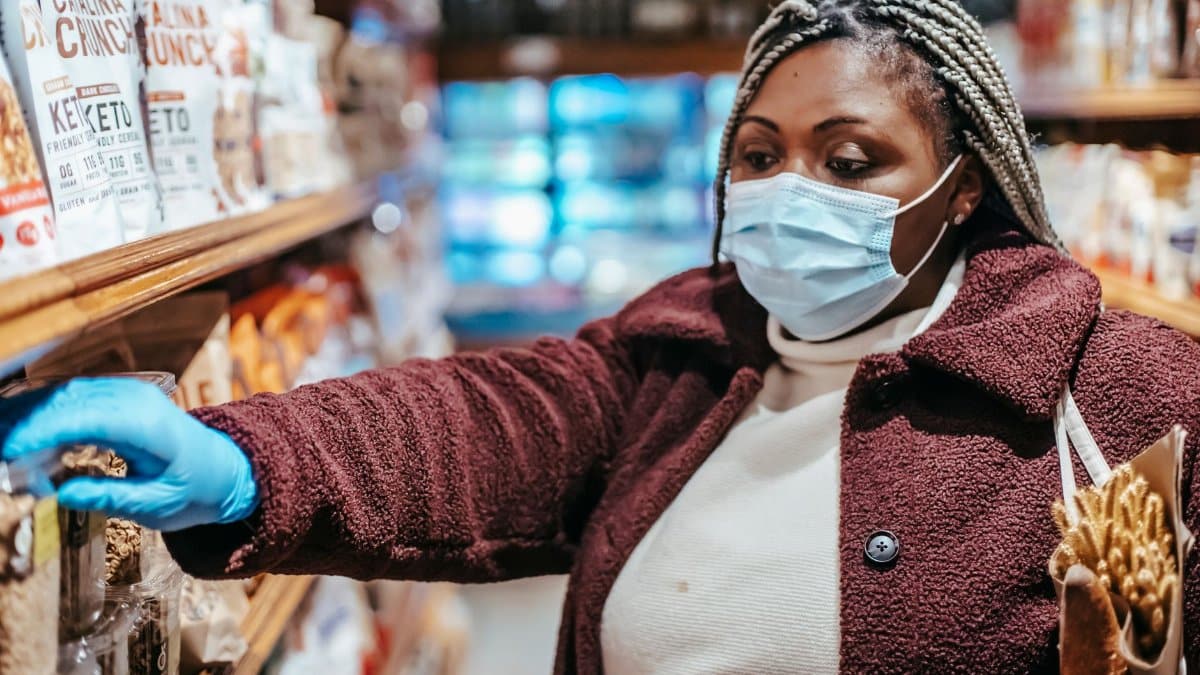
Exposure to certain parasites can lead to digestive discomfort that lasts for weeks in some cases. Medical experts advise anyone experiencing symptoms to seek care while avoiding self diagnosis. Public health messaging stresses the value of thorough washing for all produce even when no alerts are active.
Geographic Reach Across Regions

Distribution networks carried the items into twenty seven states creating a broad footprint for the recall. Retail chains in both urban and rural zones received notices to pull stock from displays. Tracking the movement of goods helps limit further exposure as details emerge.
Regulatory Oversight and Monitoring

Agencies at the federal level coordinate testing and verification to confirm the scope of concerns. Their involvement provides an added layer of scrutiny that supports consumer confidence over time. Ongoing surveillance of supply chains remains a priority for preventing similar occurrences.
Advice for Shoppers and Households

Individuals should examine labels and dates on any lettuce on hand and follow official disposal instructions. Alternatives from other suppliers can fill gaps until the matter resolves fully. Staying updated through trusted news sources helps households adapt their routines effectively.
Broader Context in Food Supply
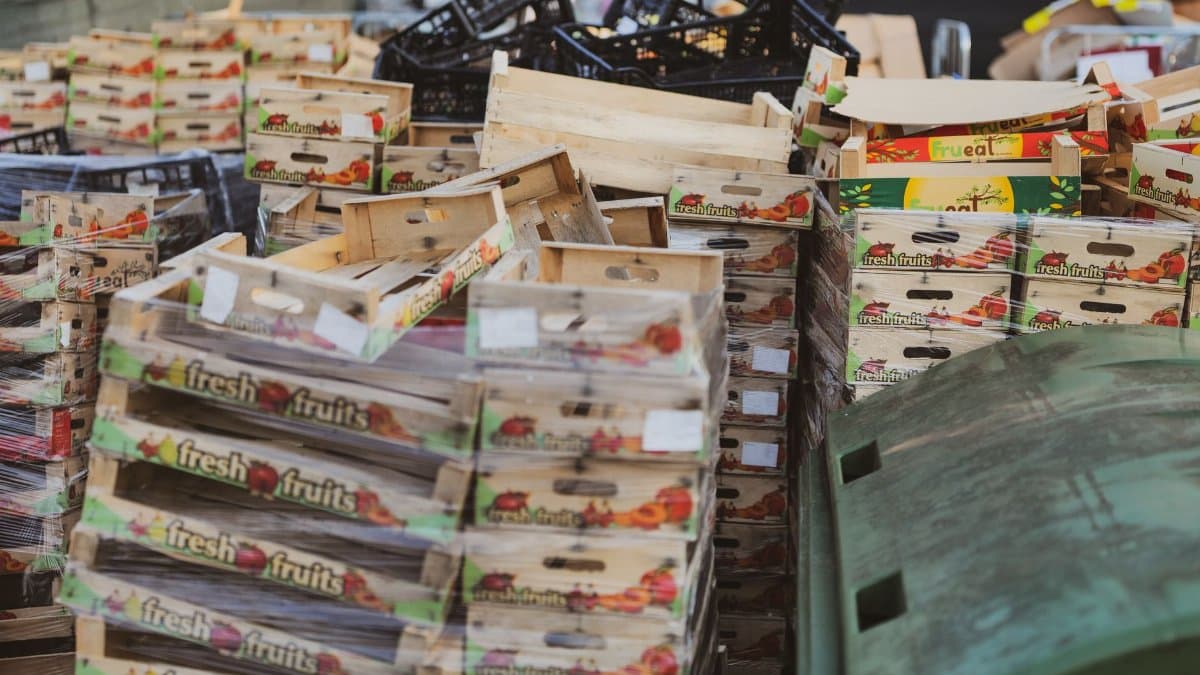
This incident fits into larger conversations about how fresh items travel from farm to table. Innovations in packaging and tracking technology offer potential improvements for the future. Stakeholders across the industry continue to evaluate processes to reduce vulnerabilities.