

In offices across the country professionals encounter situations where technical expertise alone fails to resolve conflicts or inspire teams. A missed deadline or tense meeting can stem from overlooked feelings rather than poor planning. Emotional Intelligence offers a way to navigate these human elements with greater care and effectiveness.
Recognizing Emotions During Daily Interactions

Professionals who notice subtle shifts in tone or body language often prevent small issues from growing larger. This awareness builds trust among colleagues who feel seen and respected. Over time such attention leads to smoother collaborations and fewer misunderstandings in shared projects.
Building Self Regulation Under Pressure

Remaining calm when plans change suddenly allows individuals to think clearly and guide others. Those who pause before reacting set an example that encourages patience throughout a department. The result appears in steadier progress even when external demands increase.
Developing Empathy for Stronger Leadership
Leaders who consider the perspectives of team members create environments where people contribute ideas freely. This approach reduces resistance to new initiatives and supports retention of skilled staff. Empathy turns routine supervision into genuine partnership that benefits the entire organization.
Applying Social Skills in Negotiations

Clear communication combined with attentiveness helps resolve disputes before they affect productivity. Professionals skilled in these areas find common ground more readily during contract discussions or resource allocation talks. Outcomes include agreements that satisfy multiple parties and maintain ongoing relationships.
Emotional Intelligence in Hiring Decisions

Recruiters increasingly look beyond resumes to assess how candidates handle interpersonal challenges. Questions about past team experiences reveal patterns of behavior that technical tests miss. Companies report better long term performance from employees selected with these qualities in mind.
Training Programs That Foster Growth
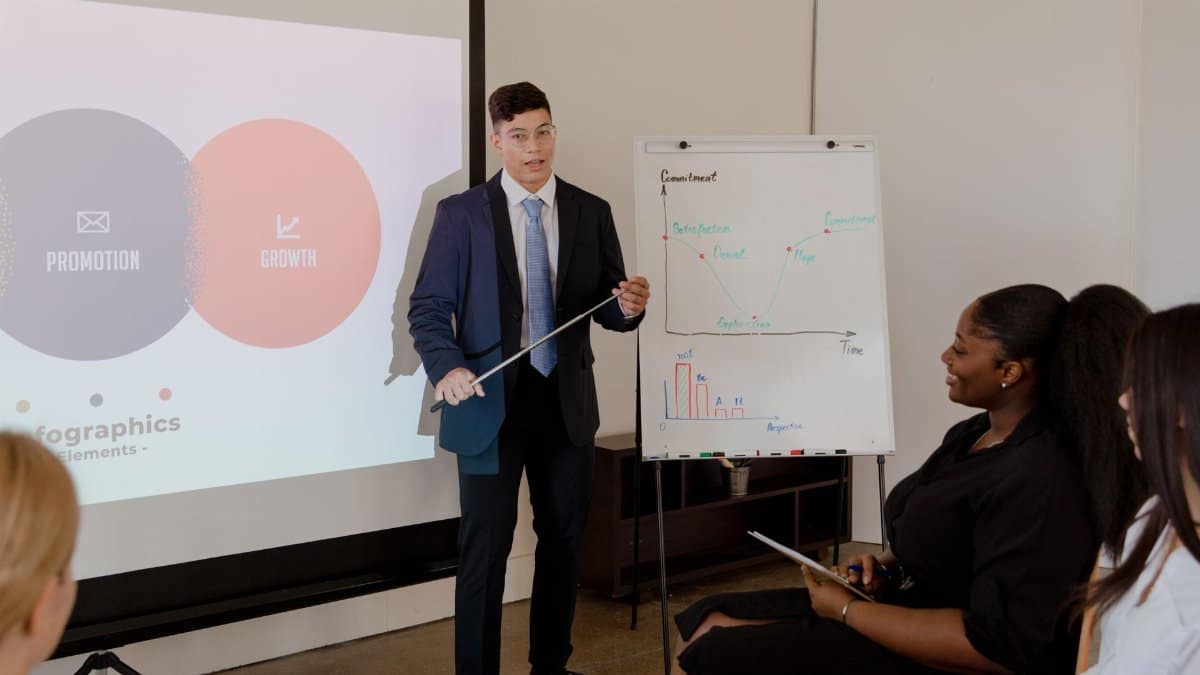
Workshops focused on emotional awareness provide practical exercises rather than abstract theory. Participants practice listening techniques and reflection methods that transfer directly to their roles. Organizations investing in such development see measurable improvements in morale and output.
Measuring Impact on Career Advancement

Data from workplace studies indicate that individuals with higher emotional capabilities advance more consistently than those relying solely on cognitive scores. A link to supporting research appears at https://www.psychologytoday.com/us/basics/emotional-intelligence. Promotions often follow demonstrated ability to manage relationships effectively.
Challenges When Implementing These Concepts

Some workplaces resist shifting from purely task oriented cultures to ones that value emotional insight. Resistance appears in skepticism about softer skills or time constraints on training. Addressing these barriers requires consistent examples from senior staff who model the desired behaviors.
Future Trends in Professional Development
As remote arrangements persist many teams explore virtual methods to maintain emotional connections. Video calls now incorporate deliberate check ins on well being alongside agenda items. This evolution suggests Emotional Intelligence will remain central to successful work structures.