
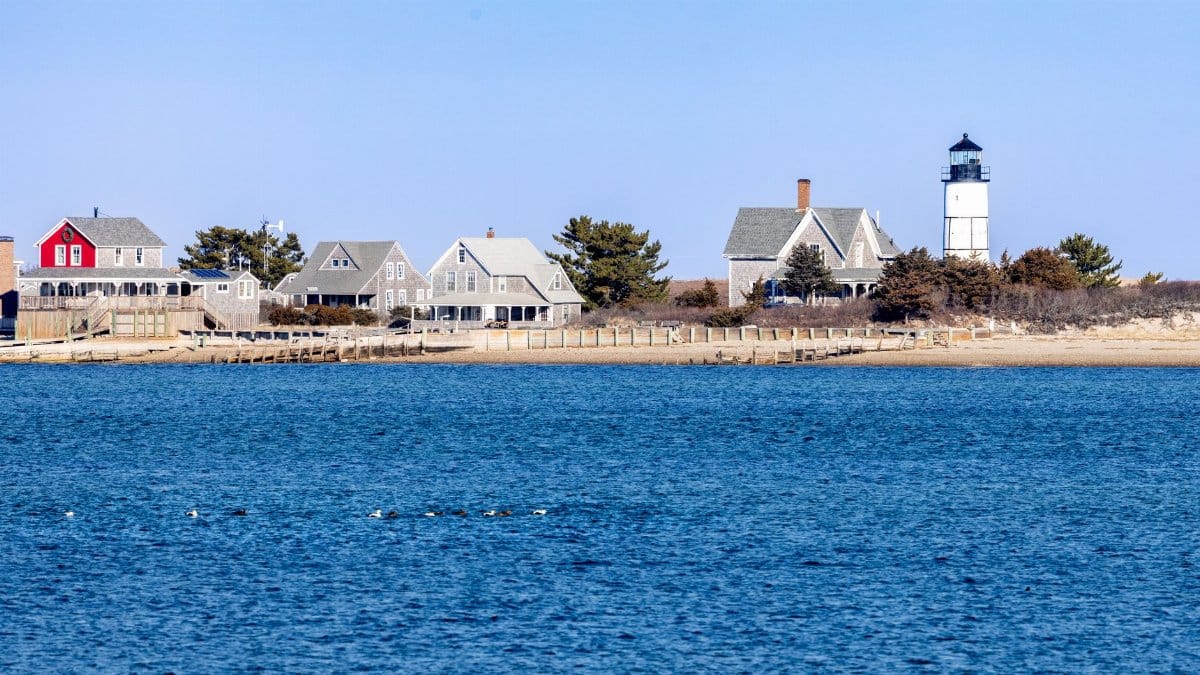
In the shifting sands of coastal Massachusetts a homeowner has taken a major bank to court arguing that officials overlooked clear signs of danger when approving financing for a cliffside estate now threatened by relentless waves and crumbling earth. The case centers on a Wellfleet property valued near 5.5 million dollars where erosion has advanced so far that parts of the land have already vanished. This Cape Cod lawsuit raises questions about what lenders owe borrowers when environmental risks grow obvious yet financing proceeds anyway.
Coastal Erosion Reshaping Daily Life

Residents along the outer Cape have watched beaches narrow and bluffs retreat for generations. Storms arrive with greater force each season carrying away soil and rock that once supported homes built decades ago. Families find themselves weighing whether to invest in reinforcements or to sell and relocate inland before the next major weather event removes more ground.
The Mortgage Decision Under Scrutiny

Documents filed in the suit claim that bank appraisers and underwriters received reports detailing rapid land loss yet still cleared the loan. The plaintiff contends that proper review would have flagged the property as unsuitable for such a large commitment. Bank representatives have not commented publicly on internal review processes.
Living With Bipolar Disorder Amid Uncertainty

The homeowner has spoken openly about managing bipolar disorder while navigating the stress of potential displacement. Medical experts note that chronic worry over housing security can intensify symptoms and complicate treatment plans. Support networks in the region have expanded counseling services for those facing similar property threats.
Bank Responsibility in Changing Environments

Financial institutions traditionally focus on credit scores and income verification when issuing mortgages. Critics argue that climate data now demands equal attention especially for waterfront parcels. Several advocacy groups have called for new federal guidelines requiring environmental risk disclosures before loans close.
Community Reactions to the Legal Filing

Neighbors in Wellfleet express mixed feelings about the case. Some view it as a necessary wake up call for lenders while others worry that negative publicity could depress local property values. Town meetings have grown crowded as residents seek updates on both the lawsuit and ongoing erosion control projects.
Historical Patterns of Shoreline Development
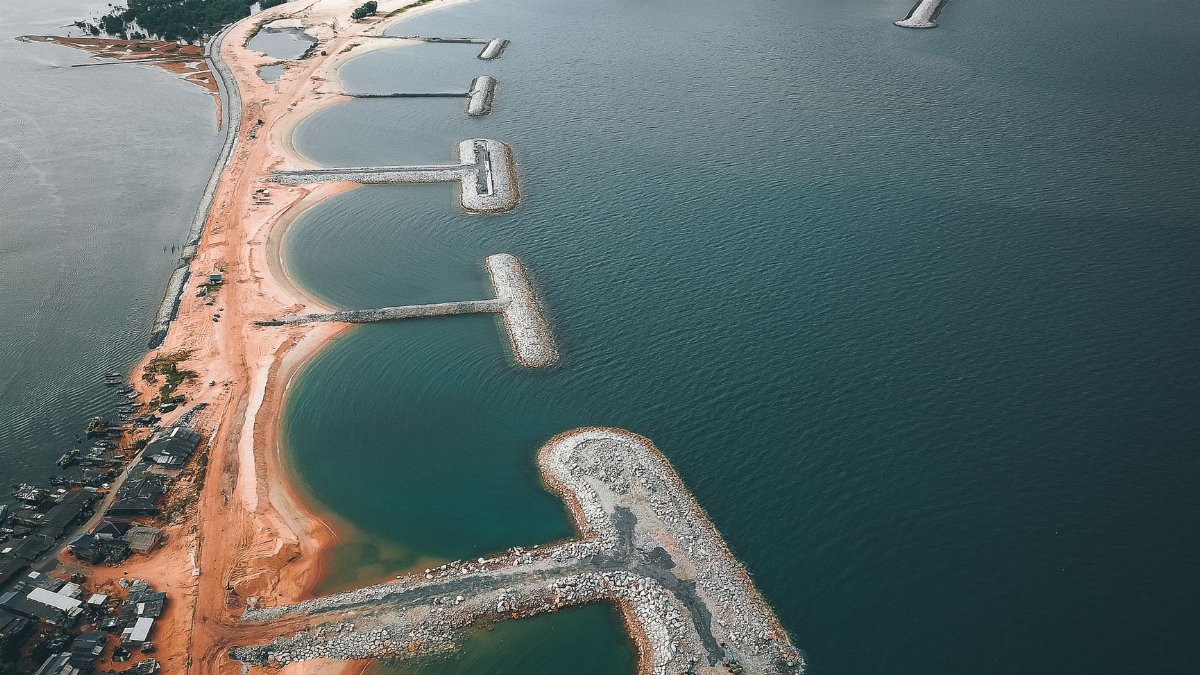
Early builders on the Cape often chose scenic overlooks without fully grasping how quickly dunes and cliffs could disappear. Over time insurance costs rose and some owners turned to government assistance for protection measures. The current dispute echoes older conflicts between private investment and natural forces that reshape the coastline.
Potential Outcomes and Precedents

Legal analysts suggest the judge may examine whether the bank had access to sufficient erosion studies at the time of approval. If the court sides with the plaintiff the ruling could influence future lending practices across vulnerable coastal zones. Appeals seem likely regardless of the initial decision.
Broader Implications for Property Buyers

Anyone considering a purchase near the water now faces added layers of due diligence. Surveys that once focused mainly on boundaries and structures must also address long term land stability. Real estate agents report more questions from clients about recent erosion rates and projected changes over the next decade.
Spiritual Reflections on Home and Stability

Many traditions teach that a dwelling represents more than shelter it embodies a sense of rootedness and continuity. When that foundation literally washes away individuals often confront deeper questions about attachment and impermanence. Local faith communities have begun hosting gatherings to discuss these themes alongside practical advice for relocation or adaptation.