
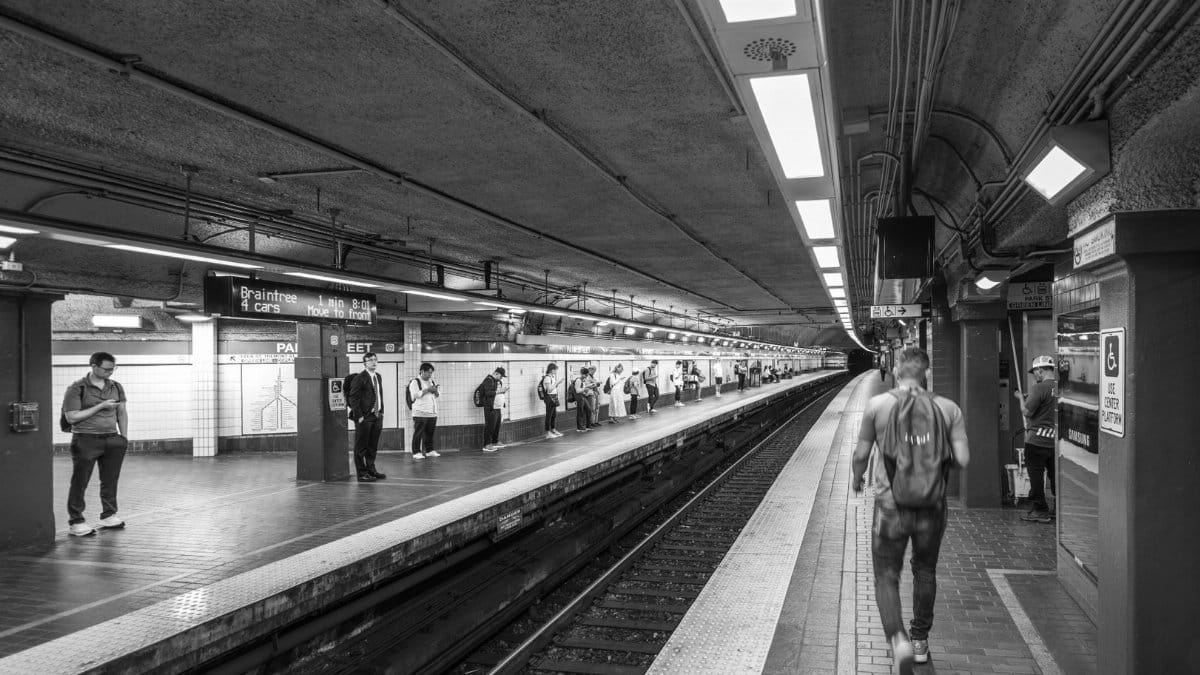
When the World Cup arrived in New England last summer transportation planners expected major disruptions on the rails leading to Foxborough. Large crowds from across the region and beyond converged on seven matches at the stadium there creating a unique stress test for an aging network. What unfolded instead was a demonstration of capacity and coordination that exceeded many forecasts. The MBTA World Cup effort moved nearly twenty thousand fans on peak days without the breakdowns that skeptics had predicted.
Early Preparations That Paid Off

Months before the first match transit leaders added extra trains and adjusted schedules to handle surges after evening games. They coordinated with local police for crowd control at stations and worked with event organizers to spread arrival times. These steps reflected lessons from past large events yet went further in scale and detail.
Daily Operations During Match Days

Commuter rail lines ran with higher frequency and station staff guided passengers toward less crowded cars. Real time announcements helped fans navigate transfers while extra buses stood ready for overflow. The result was a flow that kept delays to a minimum even as thousands poured into the system at once.
Passenger Reactions and Daily Life
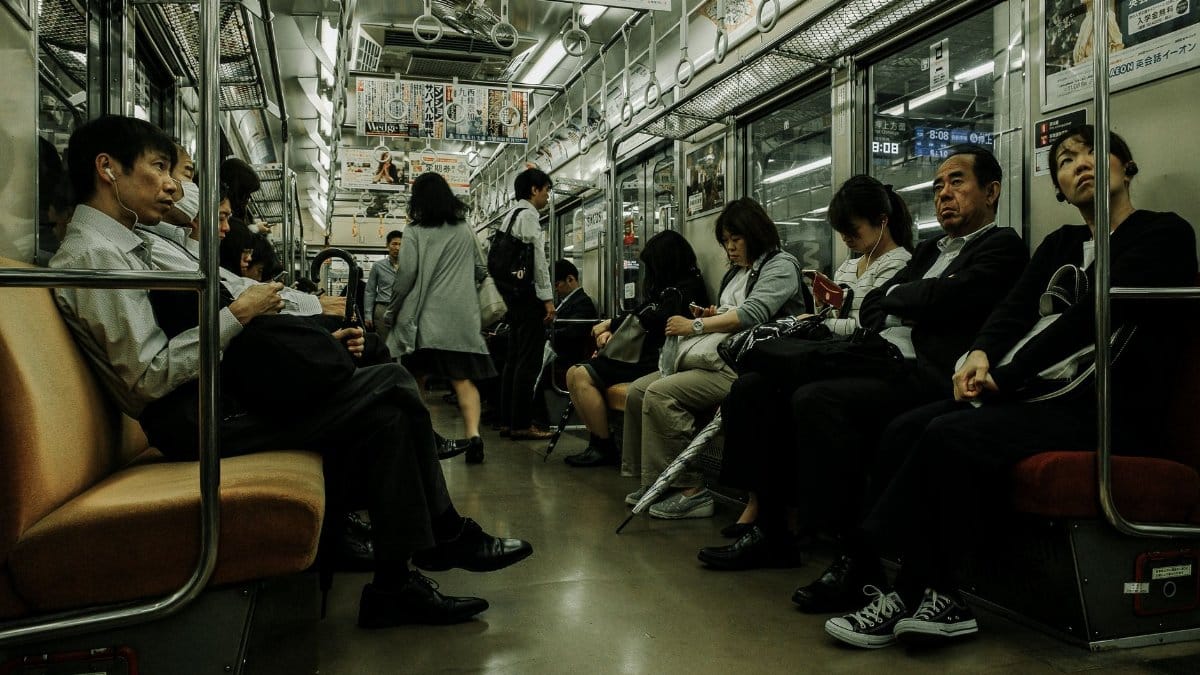
Many riders described the trips as orderly and even pleasant compared with regular rush hours. Families with children noted clean platforms and helpful conductors who answered questions about return trips. Local residents who avoided the stadium area reported fewer traffic jams than usual thanks to the emphasis on rail use.
Financial and Staffing Demands

The agency spent additional funds on overtime for operators and maintenance crews along with targeted marketing to encourage public transit use. These outlays proved modest relative to the volume of riders and helped avoid the overtime fatigue that can follow big events. Budget reviews later showed the investment supported both safety and reliability.
Limitations That Remain Visible

Despite the strong performance some older rail cars showed their age through occasional mechanical hiccups. Signal issues on one line caused a short backup after one match though crews cleared it faster than in prior years. Such moments reminded observers that full modernization still lies ahead for several routes.
Lessons for Future Large Events

City and state officials now point to the MBTA World Cup as a model for handling concerts conventions and other gatherings that draw big crowds. Data collected during the matches will shape training for staff and updates to contingency plans. The experience also highlighted the value of early communication with riders through apps and email alerts.
Broader Implications for Regional Transit
Success in moving fans efficiently may influence debates over new funding for track upgrades and fleet replacements. Advocates argue that proven results during high pressure periods strengthen the case for sustained investment. Skeptics counter that one event does not erase everyday service gaps that affect regular commuters.
Looking Ahead to Ongoing Improvements

Agency leaders have pledged to build on the momentum with continued schedule refinements and station enhancements. Partnerships with surrounding towns aim to improve first and last mile connections for those who still drive part of the way. The period ahead will test whether the gains from the MBTA World Cup translate into lasting operational habits.