

In a quiet stretch of Southern California wetlands a speeding vehicle veered off the road with devastating force. Authorities later determined the driver had been traveling at more than one hundred mph before the impact that took a womans life. This SoCal Fatal Crash has now led to a murder charge against the man behind the wheel raising questions about accountability and road safety across the region.
Sequence of Events in the Collision
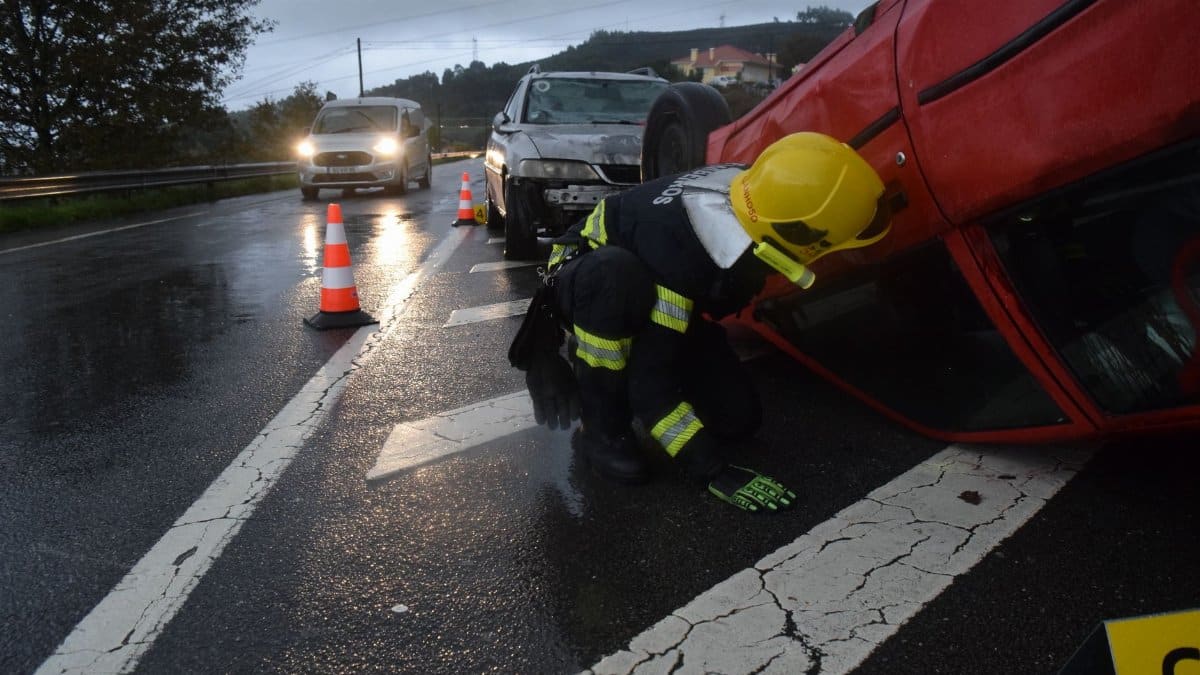
The driver approached a curve near protected marshlands at extreme velocity according to investigators. Skid marks indicated a loss of control moments before the car left the pavement and entered the waterlogged terrain. Rescue teams arrived quickly yet the female passenger could not be revived at the scene. Officials noted the vehicle had been modified in ways that may have contributed to its unstable handling during the final seconds.
Charges Filed by Prosecutors

District attorneys reviewed evidence including witness statements and vehicle data before deciding on murder rather than lesser counts. The decision reflects the extreme speed and apparent disregard for others on the road. Court documents describe how the accused continued accelerating even as conditions grew hazardous. Bail was set at a high level reflecting the gravity of the case and the risk of flight.
Community Reaction and Grief

Residents near the wetlands gathered for a vigil honoring the victim who was known for her volunteer work with local conservation groups. Many expressed shock that such velocity could occur on a road bordering sensitive habitat. Local leaders called for renewed focus on enforcement to prevent repeats of this kind of tragedy. The event has left families questioning how quickly a routine drive can turn fatal.
Patterns of Excessive Speeding

Traffic records show a rise in citations for speeds above one hundred mph on several SoCal Fatal Crash prone corridors in recent years. Enforcement cameras and patrols have increased yet gaps remain during overnight hours. Studies from state transportation agencies point to larger engines and lighter penalties as factors encouraging risky behavior. Drivers often underestimate stopping distances when roads curve toward natural areas.
Role of Wetlands in Safety Planning

Wetland boundaries were established decades ago to protect wildlife yet they also serve as natural barriers along some roadways. Engineers have debated adding guardrails or rumble strips but environmental reviews have slowed projects. The recent incident has renewed calls to balance preservation with practical measures that could reduce future harm. Planners now examine similar zones statewide for hidden dangers.
Investigation Techniques Employed

Police used drone footage and digital mapping to reconstruct the path of the vehicle after it left the asphalt. Experts analyzed tire impressions and fluid trails to confirm the sequence leading to the fatal outcome. Toxicology reports later revealed the presence of substances that may have impaired judgment. These details formed the backbone of the prosecution narrative presented in court filings.
Voices from Traffic Safety Advocates
Organizations focused on roadway deaths argue that stronger penalties alone will not solve the problem. They advocate for better driver education and vehicle technology that limits top speeds in certain zones. Some propose public campaigns highlighting real stories from incidents like the SoCal Fatal Crash to reach younger motorists. Funding for such efforts often competes with other priorities in state budgets.
Family Statements and Legal Next Steps

Relatives of the victim released a brief statement expressing hope for justice while asking for privacy during mourning. The defense team has indicated it will challenge certain pieces of evidence gathered at the scene. Preliminary hearings are scheduled to determine whether the murder charge will proceed to trial. Observers expect the case to draw attention from groups monitoring vehicular homicide laws.
Lessons for Regional Road Design

Transportation officials are reviewing signage and lighting along routes adjacent to wetlands following the crash. Suggestions include reflective markers and reduced speed advisories posted well in advance of curves. Similar reviews have followed other high profile collisions yet implementation can take months or longer. The goal remains preventing another SoCal Fatal Crash through practical infrastructure changes.