

Residents along Sunset Boulevard in West Hollywood faced sudden chaos when a major pipeline ruptured without warning on a summer morning. Water surged across streets and into nearby properties, turning a routine day into a scene of disruption that lingered for hours. Emergency crews responded quickly yet the scale of the flow caught many by surprise. This event highlighted ongoing strains on aging urban systems and prompted fresh questions about how cities prepare for such incidents. The LA Water Main Break served as a stark reminder of infrastructure vulnerabilities in a region known for its dry climate and high demand on resources.
Scope of Flooding Across Neighborhood Streets
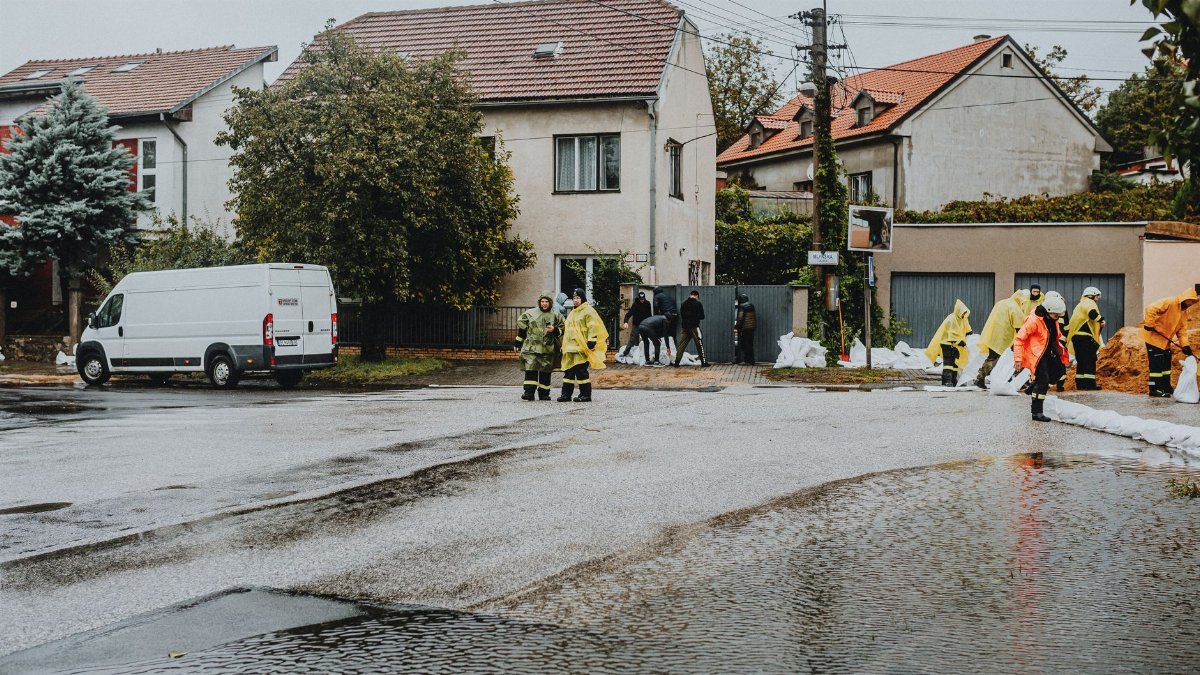
Water spread rapidly from the rupture point covering several blocks and affecting both residential and commercial zones. Crews worked to contain the flow while residents watched from sidewalks as the liquid carved new paths along gutters and driveways. Local officials noted that the volume exceeded initial estimates leading to extended road closures in the area.
Response by City Emergency Teams
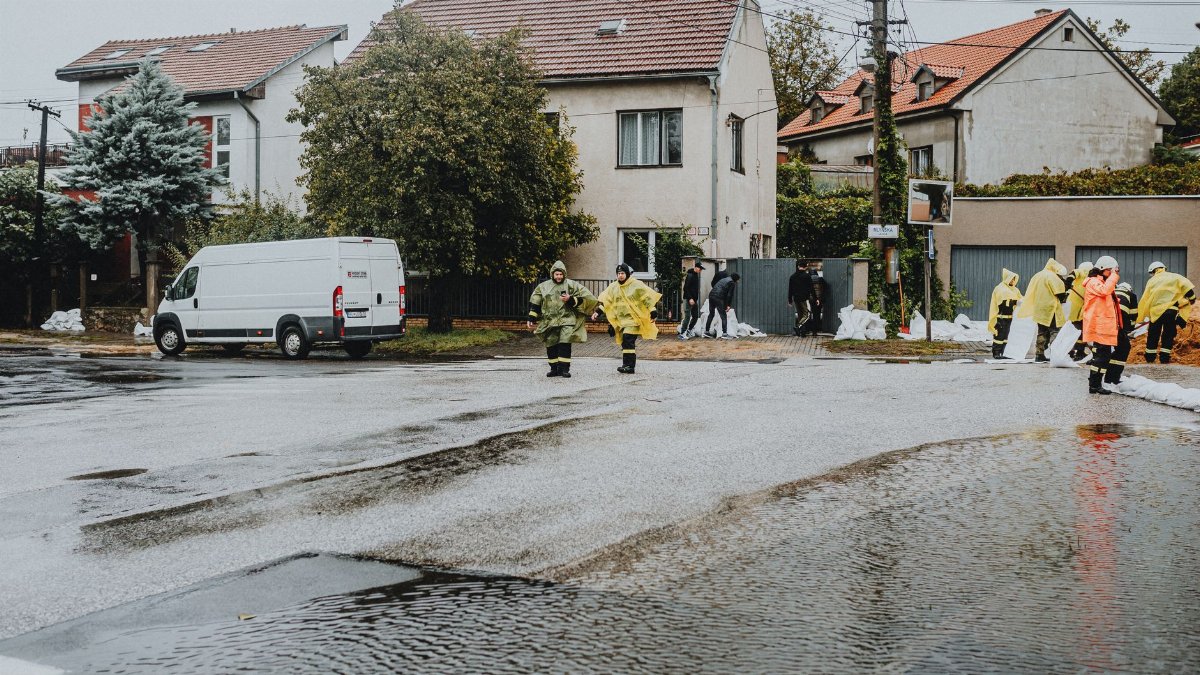
Firefighters and utility workers arrived within minutes to assess the damage and begin shutting off affected valves. Coordination between departments allowed for a structured approach though challenges arose from the depth of the pipe and surrounding soil conditions. Updates were shared through official channels to keep the public informed throughout the day.
Effects on Daily Commutes and Local Businesses

Traffic diverted to side streets creating backups that lasted well into the afternoon. Shops and restaurants near the site reported lost sales as customers avoided the area due to access issues. Owners described the day as one of unexpected downtime with some choosing to close early for safety reasons.
History of Similar Pipeline Failures in the Region

Records show multiple incidents over recent decades where older lines gave way under pressure from shifting ground and heavy usage. Each case brought temporary fixes yet experts have long called for broader upgrades to prevent repeat occurrences in densely populated zones like this one.
Role of Aging Infrastructure in Urban Areas
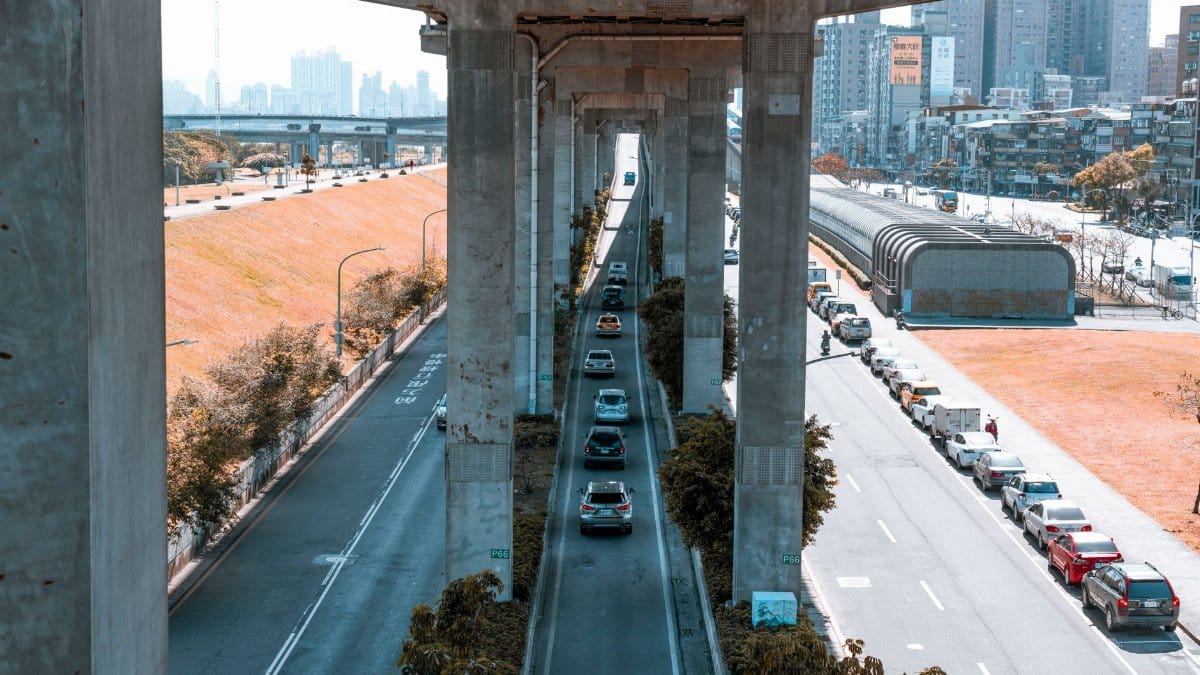
Many pipes beneath Los Angeles date back decades and face constant stress from earthquakes minor tremors and everyday wear. Replacement projects move forward slowly due to costs and the need to minimize service interruptions for millions of users across the city.
Community Reactions and Personal Accounts

Neighbors gathered to share stories of water entering garages and yards with some losing items stored outdoors. One family described wading through ankle deep pools to reach their car while another noted the swift arrival of help from nearby stations. These accounts added a human element to the technical response.
Environmental Considerations After the Event

Runoff carried debris into storm drains raising concerns about local waterways and treatment processes. Officials monitored the situation to limit long term effects on nearby green spaces though the primary focus remained on restoring normal water service to homes.
Future Plans for Pipe Maintenance and Replacement
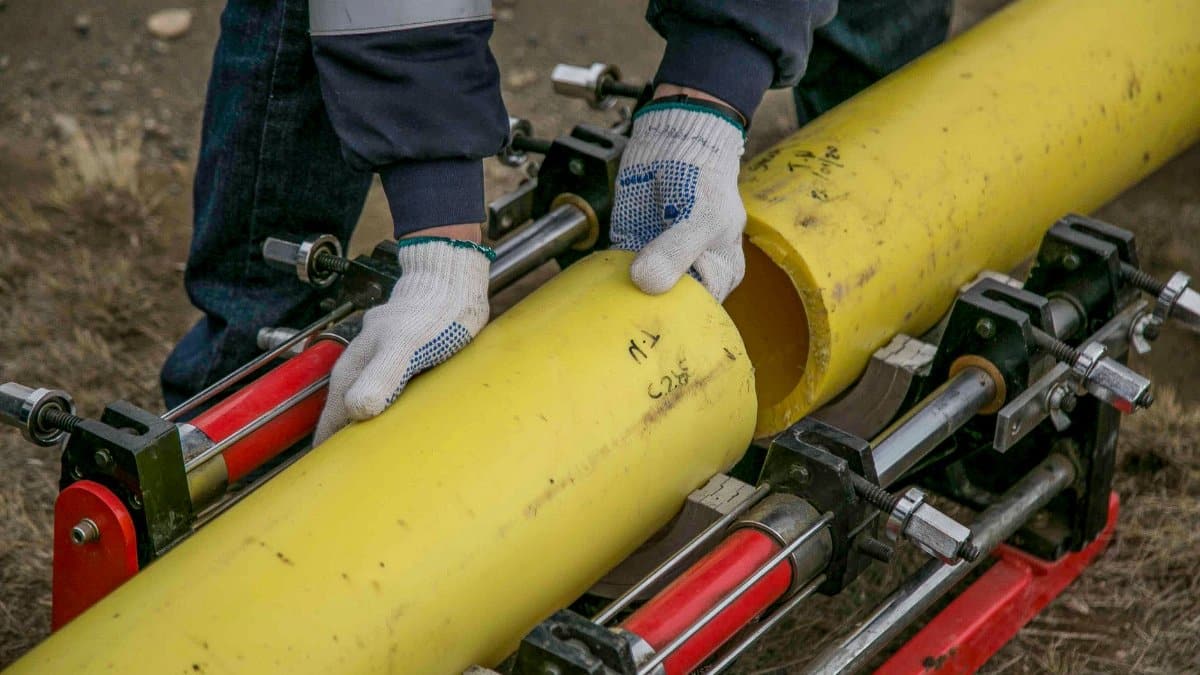
City leaders outlined steps to inspect similar lines in the coming months with an emphasis on high risk zones identified through recent assessments. Funding discussions continue as part of broader efforts to strengthen resilience against future disruptions of this kind.
Lessons for Other Cities Facing Comparable Risks

Events like this one offer insights for municipalities nationwide as they evaluate their own networks and plan investments. Sharing data on failure patterns can help prioritize resources and reduce the likelihood of widespread flooding in comparable settings.