
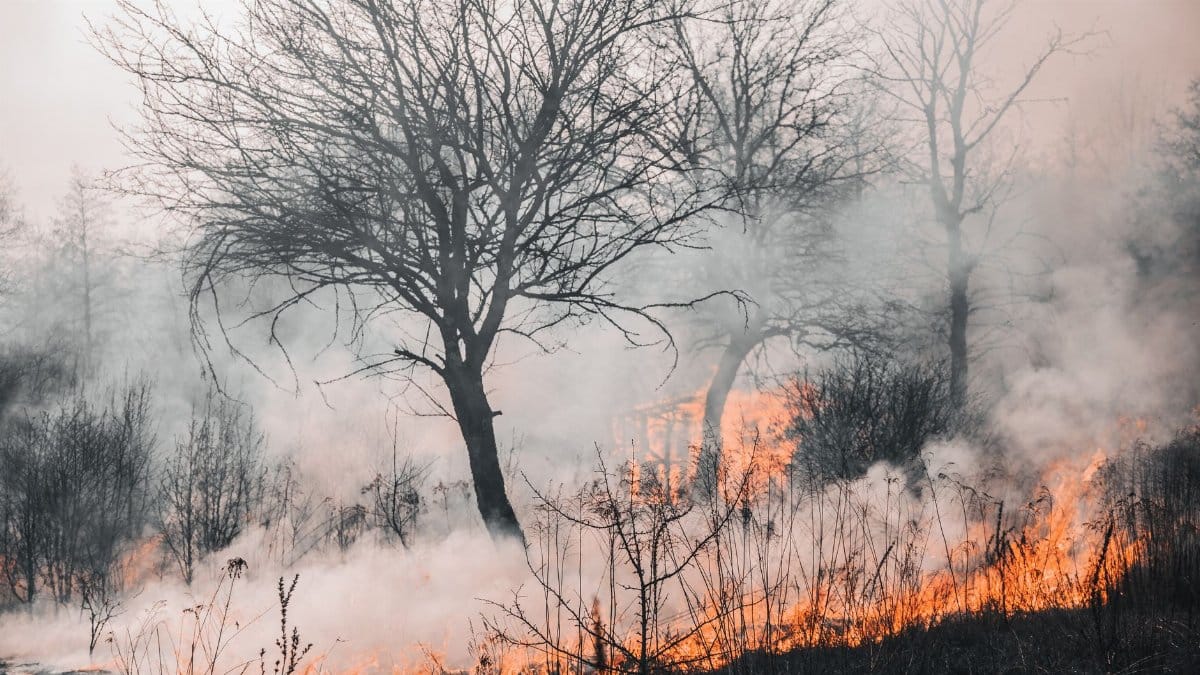
In the early hours of a recent summer day residents across several northeastern states stepped outside to find the sky transformed by a persistent haze. The sun appeared as a pale disk and the air carried a faint acrid scent that lingered throughout the morning. Such conditions have drawn attention to what experts call New England Smoke Skies a situation where smoke from distant fires drifts into the area and alters the atmosphere for days at a time. Many locals paused to take photographs while others checked online updates for guidance on outdoor activities. Communities from the coast to the hills adjusted plans as visibility dropped and the usual vibrancy of summer faded into muted tones.
Origins of the Current Haze
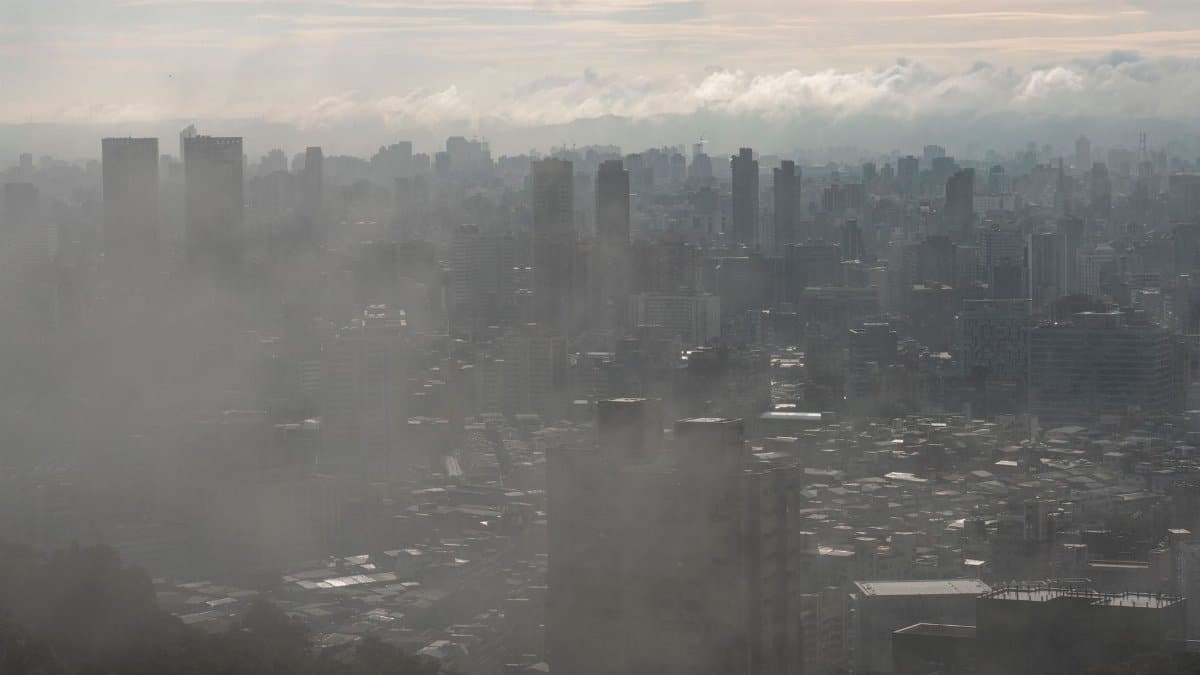
Smoke plumes have traveled from large fires burning in remote Canadian forests. These fires ignited during an extended dry spell and spread rapidly across vast stretches of woodland. Winds carried the particles southeastward where they settled over populated zones in the northeastern United States. Scientists note that the volume of material released this season exceeds typical patterns observed in prior decades. The resulting cloud has lingered because of stable atmospheric layers that trap the particles near the surface rather than allowing them to disperse upward.
How Smoke Travels to the Region
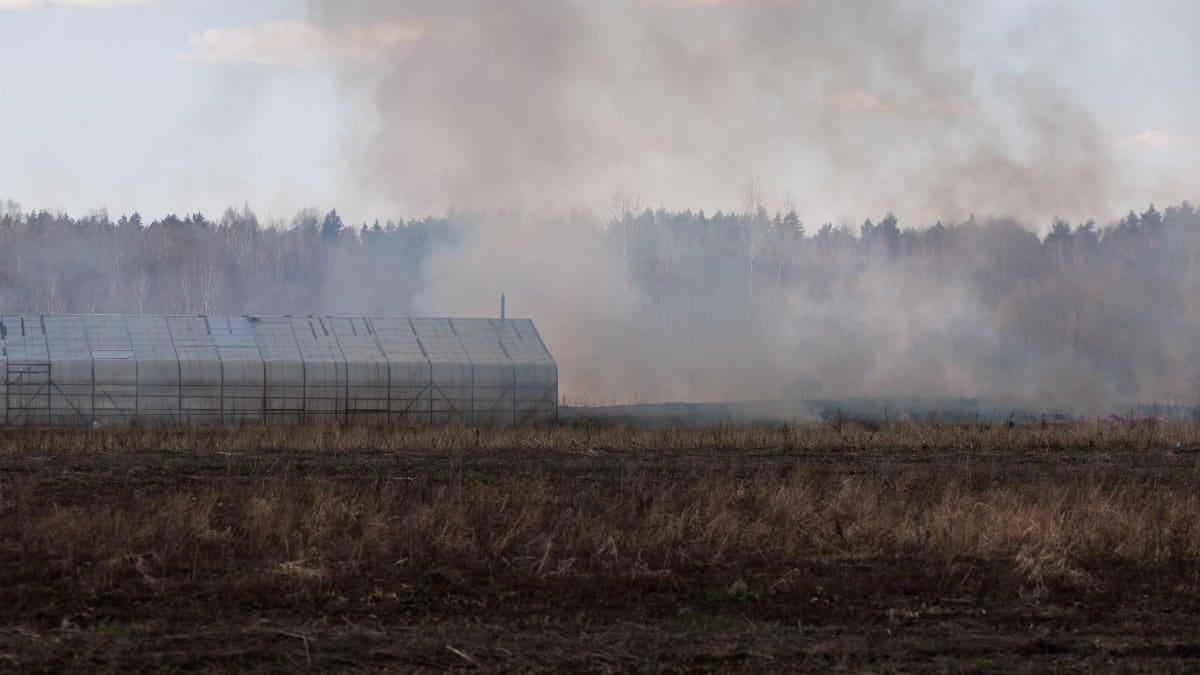
Prevailing wind patterns play a central role in delivering the haze southward. Jet stream shifts have directed the flow directly toward New England in recent weeks. Once aloft the fine particles remain suspended for hundreds of miles before descending. Satellite imagery reveals distinct plumes stretching from the source regions all the way to the Atlantic shoreline. This transport mechanism explains why areas far from any active blaze still experience reduced air clarity and altered sunlight.
Daily Air Quality Readings
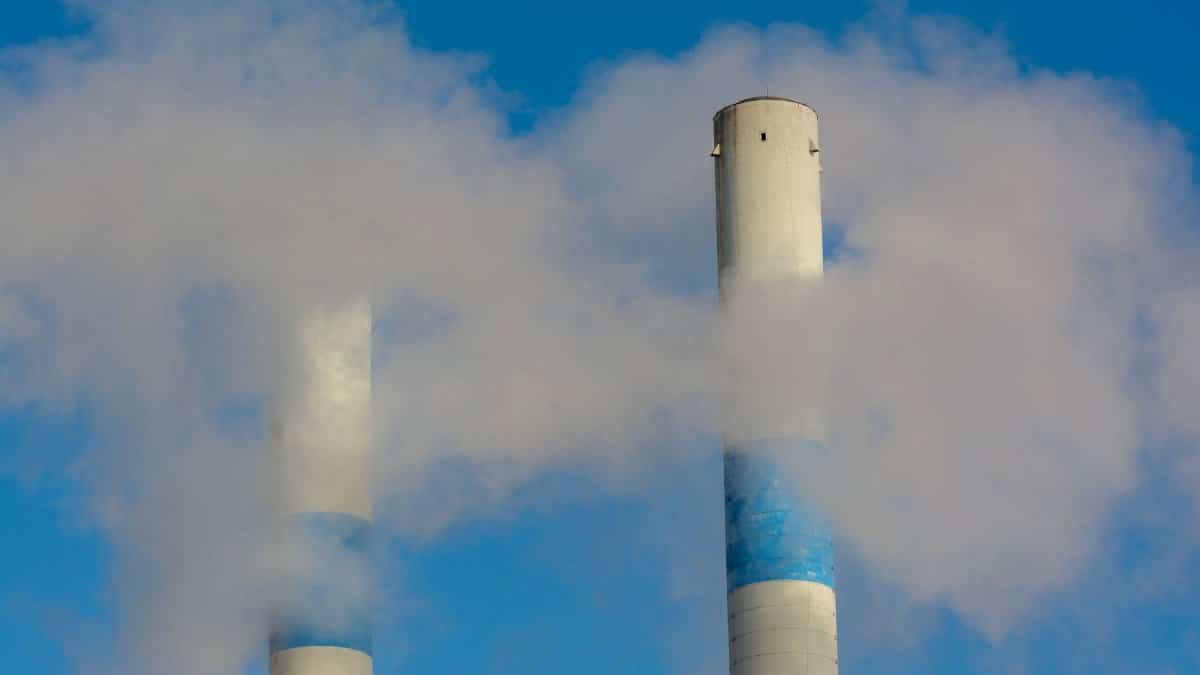
Monitoring stations throughout the region report elevated particle concentrations during morning and evening hours. Levels have fluctuated yet remained above standard thresholds for several consecutive days. Officials update color coded alerts each afternoon based on the latest sensor data. Residents in urban centers see more pronounced effects due to additional local emissions combining with the incoming smoke. Rural zones report similar readings though the visual impact often appears more dramatic against open horizons.
Effects on Public Health

Medical professionals advise limiting outdoor exertion especially for those with respiratory conditions. Hospitals have noted a modest rise in visits related to breathing discomfort. The fine particles penetrate deep into lung tissue and can trigger irritation or exacerbate existing asthma. Schools have adjusted recess schedules to keep children indoors during peak concentration periods. Public health messaging emphasizes hydration and the use of indoor air filtration where available.
Changes in Daily Routines

Many people have altered their commutes and leisure plans in response to the haze. Joggers opt for treadmills instead of park paths while gardeners delay planting projects. Restaurants with outdoor seating have moved tables inside or added portable filters. Local events such as farmers markets continue yet with added announcements urging masks for sensitive individuals. These adaptations reflect a broader awareness that New England Smoke Skies may persist longer than initially anticipated.
Official Forecasts and Warnings
Meteorologists project gradual improvement as wind directions shift later in the week. Models indicate the main plume will drift eastward over the ocean allowing clearer air to return. State agencies continue to issue daily advisories through established channels. Emergency management teams stand ready to open cooling centers if heat combines with poor air quality. The coordinated response draws on lessons from similar episodes in previous seasons.
Broader Environmental Context
Wildfires of this scale tie into larger patterns of drought and warming temperatures across northern forests. Reduced snowpack and earlier spring thaws leave vegetation drier for longer periods. Such conditions favor larger and more frequent ignitions. While individual events cannot be attributed solely to climate trends the overall trajectory points toward more frequent intrusions of smoke into southern latitudes including New England Smoke Skies episodes. Researchers continue to study these connections through long term monitoring networks.
What Residents Can Expect Next

Clearer skies should return within several days though scattered haze may linger into the following week. Officials recommend keeping windows closed during overnight hours when particles settle lower. Gardeners and outdoor workers should monitor updates before resuming full activities. The episode serves as a reminder of how interconnected weather systems link distant regions. As summer progresses further updates will clarify whether additional waves arrive or whether conditions stabilize for the remainder of the season.