
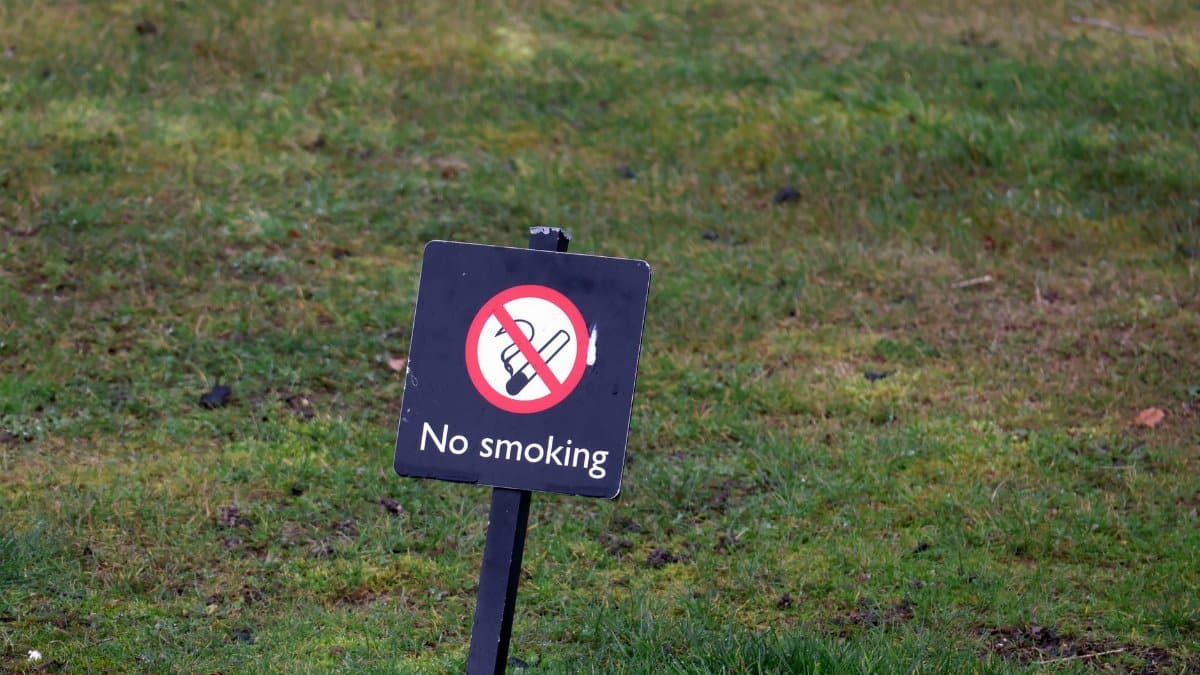
In the bustling plazas of San Francisco residents often seek moments of calm only to inhale fumes from nearby cigarettes. Such encounters highlight a growing tension between individual habits and shared public spaces. A Secondhand Smoke Ban offers one path toward protecting those who wish to avoid unwanted exposure while enjoying city life. The issue extends beyond enclosed rooms to sidewalks parks and beaches where wind can carry toxins over surprising distances. Advocates argue that rules must evolve to match current understanding of how even limited contact affects health.
Examining Health Effects in Open Air Settings

Research indicates that outdoor smoke particles travel far enough to impact breathing for nonsmokers nearby. Particles from burning tobacco contain many of the same compounds found in direct inhalation yet people assume distance offers full protection. In reality lungs process these substances regardless of location leading to irritation and longer term concerns for frequent visitors to popular spots.
Comparing Outdoor and Indoor Exposure Levels
Data from urban monitoring shows concentrations of smoke chemicals remain high enough in breezy conditions to match some indoor scenarios. This similarity undercuts the idea that open areas are automatically safe zones. San Francisco already restricts indoor smoking but expanding limits could create consistency across all public zones where crowds gather daily.
Reviewing Current Local Regulations in San Francisco

Existing ordinances focus mainly on buildings and vehicles leaving many outdoor venues without clear guidance. City leaders have considered updates yet progress moves slowly amid debates over enforcement and personal choice. Stronger measures aligned with a Secondhand Smoke Ban could close these gaps and set clearer expectations for everyone.
Considering Impacts on Community Gatherings

Events in parks and along waterfronts draw diverse groups including families and older adults who may have heightened sensitivity. Smoke drifting through these areas disrupts the inclusive atmosphere many seek. Policies that address this drift support broader participation without forcing anyone to leave early due to discomfort.
Exploring Economic Angles for Businesses
Restaurants and cafes with outdoor seating sometimes worry about losing patrons who smoke. Yet evidence from other cities suggests clean air attracts more families and repeat customers overall. A balanced Secondhand Smoke Ban might include designated spots far from main entrances to ease transitions while prioritizing health.
Looking at Enforcement Challenges and Solutions

Officers already handle complaints about indoor violations so adding outdoor checks would require modest additional resources. Clear signage and public awareness campaigns help residents understand new boundaries. Education paired with gradual rollout tends to improve compliance rates over time.
Addressing Personal Freedom Concerns

Critics often frame restrictions as overreach into private decisions. However public spaces belong to all users and one persons choice can directly affect others nearby. Framing rules around mutual respect rather than punishment helps frame the discussion in community terms.
Highlighting Success Stories from Other Regions

Several coastal cities implemented outdoor limits years ago and report measurable drops in reported irritation among nonsmokers. These examples provide models San Francisco could adapt without starting from scratch. Local leaders might study those outcomes to tailor approaches that fit regional culture and climate.
Discussing Future Policy Directions

Momentum for a comprehensive Secondhand Smoke Ban continues to build as more residents share experiences with unwanted exposure. Public forums allow input from smokers and nonsmokers alike to shape practical details. Ongoing dialogue ensures any final rules reflect real needs rather than abstract ideals.