
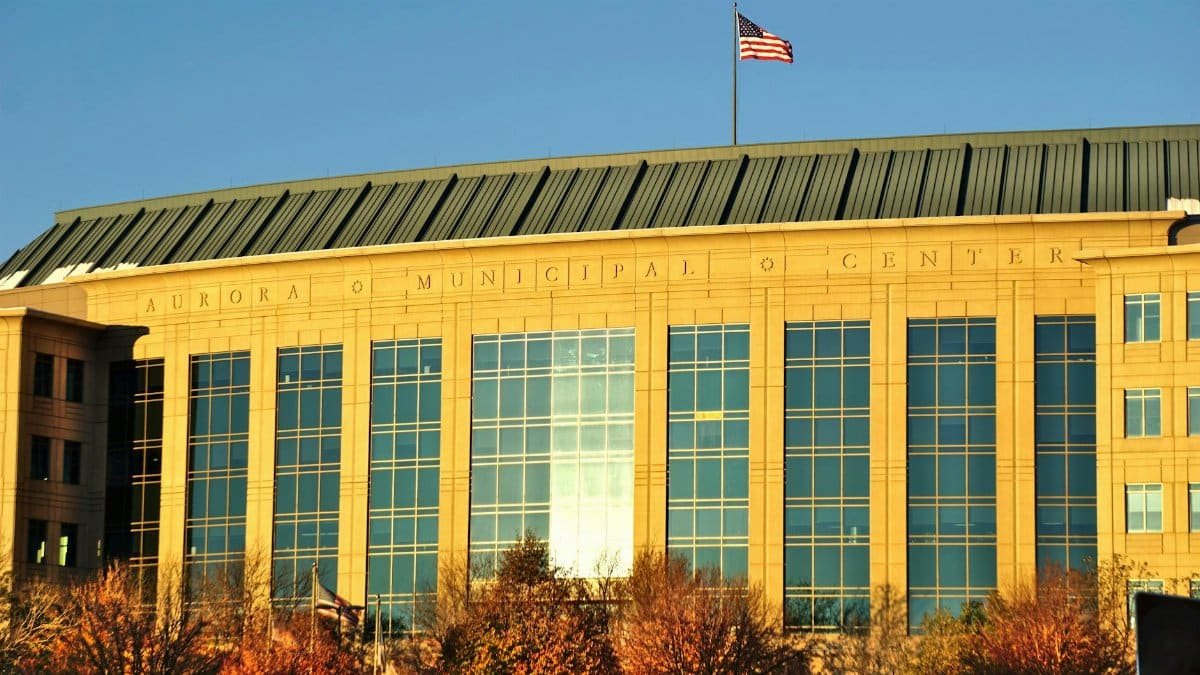
In a crowded Aurora city hall meeting that ran well past its scheduled end Alderman Sarah Kline delivered remarks that shifted the tone from routine proceedings to open conflict. She stated that the mayor had advanced major decisions on a riverfront redevelopment plan without sufficient consultation or shared documentation with the council. This aurora alderman mayor dispute has since captured local attention exposing gaps in how city leaders handle large scale initiatives intended to bring housing retail spaces and public gathering areas to a rapidly changing community. Many residents in their forties and fifties who remember earlier waves of growth now watch closely wondering if political friction will undermine concrete progress.
The proposed project carries a substantial budget and aims to transform an old industrial corridor along the Fox River. Supporters envision new jobs and gathering spots that could strengthen social ties. Yet the apparent absence of seamless coordination has created confusion over timelines budgets and the depth of public engagement. What began as an internal procedural complaint has grown into a broader conversation about accountability in local leadership.
Roots Of The Disagreement

Tensions did not appear suddenly. Alderman Kline had quietly raised questions in committee sessions for several months before going public. She cited repeated instances where information arrived late or not at all leaving council members unable to provide meaningful feedback. These patterns according to her created a one sided process that weakened the checks meant to protect taxpayer interests.
City staff acknowledge that the scale of the redevelopment required faster movement than usual yet they insist proper channels were used. The gap between these views reveals differing interpretations of what coordination actually demands in practice. For a city like Aurora still healing from past economic shifts such misalignment carries extra weight.
The Aldermans Specific Grievances
Kline listed several concrete examples during her public comments. She noted that architect selection occurred without the open bidding process originally discussed in council workshops. She also pointed to developer agreements announced through the mayors office before full review by relevant committees. These actions she argued risked locking the city into commitments that later required expensive adjustments.
Documents obtained by local reporters show that at least two community input meetings received limited promotion in neighborhoods farthest from the project site. Residents there worry the final design may not reflect their daily realities. The alderman has called for an independent review to assess whether procedural shortcuts have occurred.
How The Mayor Views The Situation

Mayor David Reynolds responded the following day with a detailed statement. He maintained that his team had hosted multiple joint sessions with council members and shared updates regularly. Reynolds described the accusations as politically motivated noting that Kline faces reelection next year. He emphasized that the project remains on track and that all formal approvals will be secured before any groundbreaking.
The mayor highlighted letters of support from local business associations and workforce development groups who see the redevelopment as essential for attracting younger families. He suggested that excessive debate at this stage could scare off potential partners and delay benefits that the community needs.
Consequences For The Riverfront Project
Public disagreement has already produced measurable effects. Two prospective commercial tenants have paused negotiations while the political situation clarifies. Internal city departments report spending extra hours responding to new inquiries from council offices. These activities while necessary add costs that ultimately come from public funds.
Construction timelines have shifted by at least three months according to planning staff. With material prices continuing to fluctuate further delays could increase the final price tag considerably. Community organizations that hoped to use future park space for seasonal events now face uncertainty in their own planning calendars.
What Residents Are Saying
Conversations at coffee shops and youth sports fields reveal a divided public. Some homeowners praise Kline for demanding greater transparency and protecting long term neighborhood interests. Others express fatigue with political sparring and wish leaders would focus on finishing projects rather than scoring points.
Parents in particular mention hoping the new green spaces and community facilities will offer safe places for children and families to connect. They worry that continued conflict might result in a watered down version of the original vision or none at all. Turnout at recent listening sessions has been higher than usual signaling genuine engagement with the outcome.
Looking Back At Auroras Political History

Aurora has experienced similar clashes before. Previous administrations faced criticism over downtown parking structures and school boundary changes. In each case public argument eventually gave way to compromise though often after significant time had passed. Those earlier episodes left some residents skeptical that cooperation would return quickly this time.
Yet history also shows that visible disputes can lead to improved practices. After a contentious debate over river access in the early 2000s the city adopted clearer guidelines for interdepartmental communication. Whether the current aurora alderman mayor dispute produces similar procedural reforms remains to be seen.
Input From Spiritual And Faith Leaders

Local pastors and spiritual counselors have begun addressing the conflict in sermons and community forums. They frame the situation as more than policy differences suggesting it reflects deeper questions about integrity and service. Reverend Michael Torres of Aurora Community Church has urged both elected officials to model the reconciliation they often preach to their constituents.
Other faith leaders from diverse traditions have signed a joint letter calling for renewed dialogue focused on collective wellbeing rather than individual credit. Their involvement underscores how local political friction can influence the spiritual climate of a neighborhood. Many middle aged congregants say they feel caught between hope for progress and disappointment in the tone of public discourse.
Expert Analysis Of The Conflict

Scholars who study municipal governance see familiar patterns. Professor Elena Ramirez at nearby North Central College notes that fast growing suburbs often struggle to balance speed with inclusion. She points to data showing that cities with formal coordination protocols complete large projects with fewer disputes and lower cost increases.
A 2024 report from the Institute for Local Government Studies found that transparent decision processes correlate with higher resident satisfaction scores. While the report does not address Aurora directly its findings offer context for why this disagreement has captured such wide interest. Link to related research: https://www.localgovstudies.org/reports/2024coordination
Possible Ways To Move Forward

Several paths toward de escalation have surfaced. A neutral facilitator from the state municipal league has offered to moderate a closed session between the mayor council members and key staff. Some observers suggest revising certain project elements to incorporate feedback from the alderman and her constituents.
Both sides face pressure from business and neighborhood groups to resolve differences before summer festivals when public attention peaks. If they succeed the resolution itself could become a model for handling future disagreements. If not the riverfront project may shrink in scope leaving residents with partial benefits instead of the full vision once promoted.
Why Coordination Matters In Local Government

Beyond the immediate project this aurora alderman mayor dispute raises enduring questions about how smaller cities balance strong leadership with shared authority. When coordination breaks down trust erodes and opportunities slip away. For readers who have spent decades building lives in communities like Aurora the stakes feel personal.
Effective local government ultimately depends on elected leaders who can disagree without derailing progress. The coming months will test whether Aurora can translate its current conflict into stronger habits of collaboration. The spiritual health of the city its sense of shared purpose may depend on the answer.
The situation continues to develop with both the alderman and mayor scheduled to attend a joint economic development committee next week. Residents hope the conversation there moves beyond accusation toward practical solutions that honor the complexity of governing a diverse and ambitious city.