
When the news broke that the WTC Health Program would be shielded from drastic funding reductions it brought a measure of relief to thousands who had braced for the worst. For many first responders and survivors of the September 11 attacks this program represents more than just medical care. It stands as a promise kept to those who rushed toward danger when others fled. In an era of tight budgets and political division the successful bipartisan push to protect this vital initiative highlights what can happen when lawmakers set aside differences to do what is right. The decision ensures that monitoring and treatment for illnesses linked to toxic exposure at the World Trade Center site will continue without interruption.
Bipartisan Efforts Yield Success

Months of tense negotiations in Washington culminated in a quiet victory for those still living with the consequences of September 11. Lawmakers from both parties joined forces to block proposed cuts that could have crippled the WTC Health Program. Republican senators who rarely see eye to eye with their Democratic counterparts stood together on this issue recognizing that the health needs of heroes transcend party lines.
The protection came after intense lobbying by fire unions police associations and survivor groups. They reminded Congress that abandoning these people would betray the unity the nation felt in the days following the attacks. The final bill passed with strong support in both chambers locking in funding through the next several years.
The Human Cost of September 11
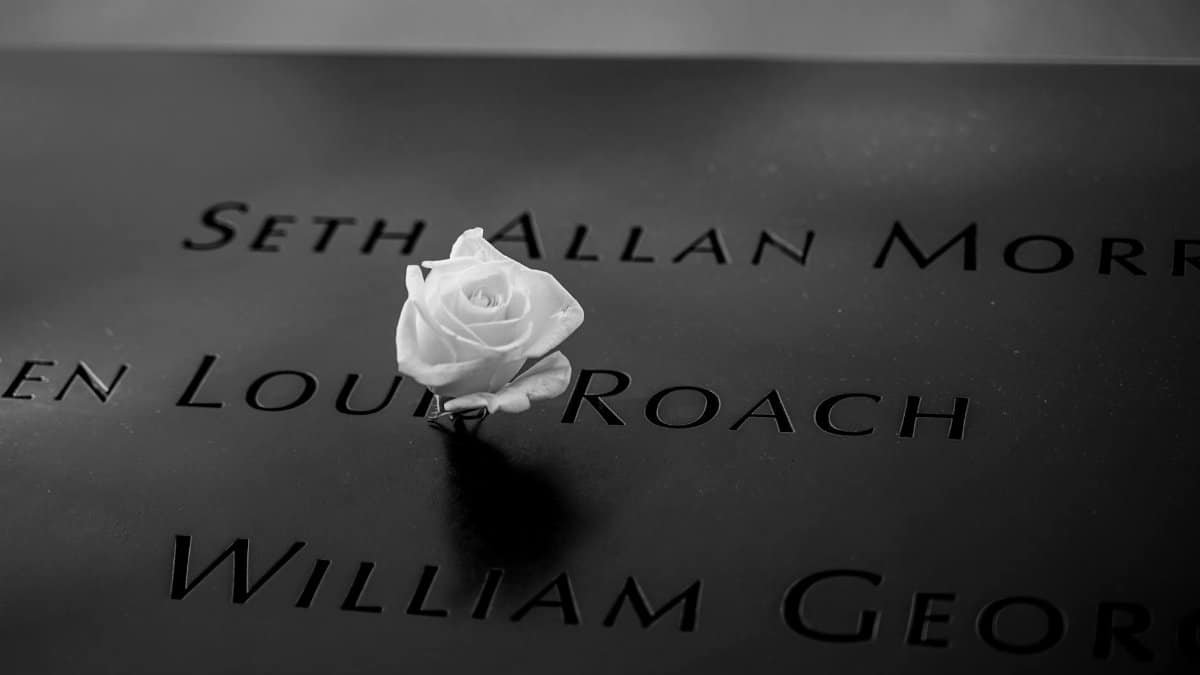
More than two decades later the physical toll continues to mount. Respiratory diseases cancers and rare autoimmune conditions plague those who breathed the toxic dust cloud that hung over lower Manhattan. Doctors report elevated rates of multiple myeloma and thyroid cancer among responders. One study from Mount Sinai Medical Center details these patterns and is available at https://www.mountsinai.org/care/911.
Patients describe a life forever altered. Simple tasks like climbing stairs or playing with grandchildren become challenging. Many speak of the emotional weight that accompanies the physical symptoms a constant reminder of the day that changed everything. The WTC Health Program offers regular screenings that catch problems early giving patients a fighting chance.
Services Offered by the Program
At its core the program provides comprehensive medical monitoring treatment and medications for certified conditions. Participants receive care at specialized centers across the New York region and in several other states where responders have settled. Mental health services form an important component addressing posttraumatic stress that often surfaces years later.
Prescription coverage proves especially valuable as many patients require expensive drugs to manage chronic conditions. Without this support many would face impossible choices between medicine and other necessities. The program also funds research that improves understanding of how dust exposure affects human systems over time.
Political Challenges Overcome
The threat of cuts emerged during broader discussions about federal spending priorities. Administration officials had signaled interest in reducing costs across health related programs raising alarms among advocates for September 11 responders. What followed was a master class in strategic advocacy as groups mobilized quickly to educate new members of Congress about the unique nature of these illnesses.
Personal testimonies proved powerful. Retired firefighters and police officers traveled to Washington to share their stories in committee rooms and private meetings. Their presence reminded politicians that these were not abstract budget lines but living breathing Americans who answered the call in 2001.
Voices of the Affected
Frankie Mancini a former paramedic from Long Island attends regular appointments through the program. He credits it with detecting his sarcoidosis before the condition could disable him completely. In conversations he speaks less about politics and more about the sense of security the program provides. Knowing care will be there allows him to focus on living rather than worrying about medical bankruptcy.
Similar stories echo across survivor communities. Teachers who worked near the site construction workers who helped with the cleanup and volunteers who offered aid in the weeks after the attacks all find common ground in their shared medical journey. Their collective voice proved decisive in swaying skeptical lawmakers.
Health Challenges That Persist
Medical experts note that the full impact of exposure may not be known for decades. Fine particulate matter and chemical compounds in the dust have triggered inflammatory responses that continue to evolve. Some conditions appear then go into remission only to return in different forms. This unpredictability makes consistent monitoring essential.
The program adapts as new science emerges adding conditions to its coverage list when evidence supports the connection to September 11 toxins. This flexibility represents one of its greatest strengths allowing it to serve as both safety net and scientific sentinel.
The Spiritual Dimension of Healing

Beyond the physical and political dimensions lies a deeper current of meaning that many participants describe. The program has become a symbol of societal gratitude and communal commitment. In support groups and memorial events attendees often speak of the healing power found in knowing their nation has not forgotten them. This recognition feeds the human spirit in ways medicine alone cannot measure.
Clergy members who counsel responders frequently remark on the importance of this promise kept. It restores faith not only in institutions but in the basic idea that sacrifice deserves remembrance. The preservation of the WTC Health Program therefore touches on something profound about American values and collective memory.
Community Support and Advocacy

Local organizations have played a crucial role in maintaining pressure on policymakers. Groups like the FealGood Foundation and the Tunnel to Towers Foundation amplify the voices of those affected while providing practical assistance. Their work ensures that the human stories remain visible even as political attention shifts to newer crises.
Family members also form an important part of the advocacy network. Spouses and adult children attend rallies and speak at town halls describing how illnesses have reshaped their households. This broader circle of concern has helped build wider public support for sustained funding.
What the Future Holds

While the immediate threat has passed challenges remain. Rising healthcare costs and an aging population of responders will test the programs resources in coming years. Advocates are already laying groundwork for the next reauthorization fight emphasizing the need for inflation adjusted funding and expanded eligibility for younger survivors.
Research continues to uncover new connections between exposure and illness. As these findings emerge the program must evolve to incorporate them. The bipartisan success in protecting the WTC Health Program offers hope that future debates can maintain the same spirit of unity.
A Testament to National Resilience
The story of this programs protection reflects something essential about the American character. When faced with difficult choices the nation has repeatedly chosen to stand by those who served in its hour of need. This commitment transcends administrations and party control becoming part of the enduring legacy of September 11.
For middle aged Americans who remember the attacks with vivid clarity the programs survival offers reassurance. It affirms that memory can translate into meaningful action and that promises made in times of crisis can be kept even amid later political turbulence. The men and women who carry the invisible wounds of that day deserve nothing less.
The path forward will require continued vigilance. Yet the recent victory demonstrates that effective advocacy grounded in shared values can overcome significant obstacles. As the WTC Health Program moves into its next chapter it carries with it the hopes of thousands who simply want the chance to live their lives with dignity and proper medical support.