
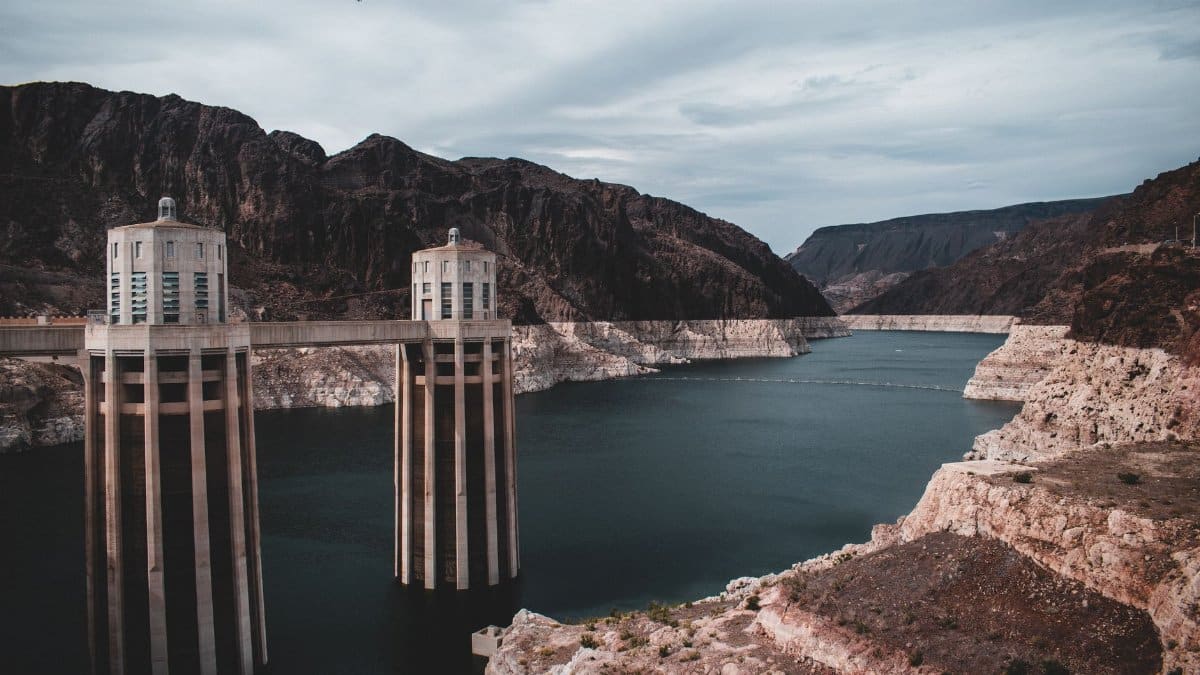
In the vast basin carved by the Colorado River, recent dry spells have transformed once reliable water sources into symbols of fragility. Communities downstream now watch levels drop with growing concern, prompting urgent action from Washington. The decision to direct millions in federal support seeks to stabilize conditions around Lake Mead Water, helping safeguard supplies that reach far into California and beyond.
Federal Allocation Details Emerge

Officials announced the funding package last month, directing resources toward projects that could lift reservoir volumes over the next several years. The move comes after prolonged negotiations among states that share the river system. Analysts note this infusion buys valuable months for longer planning efforts while immediate conservation measures take hold.
Impact on Regional Supplies
California stands to benefit most directly since its aqueducts draw heavily from the same basin. Agricultural districts and urban centers alike depend on steady flows that the new support aims to protect. Without such intervention, experts warn of sharper cutbacks that could affect everything from crop yields to household use.
Historical Context of Reservoir Management
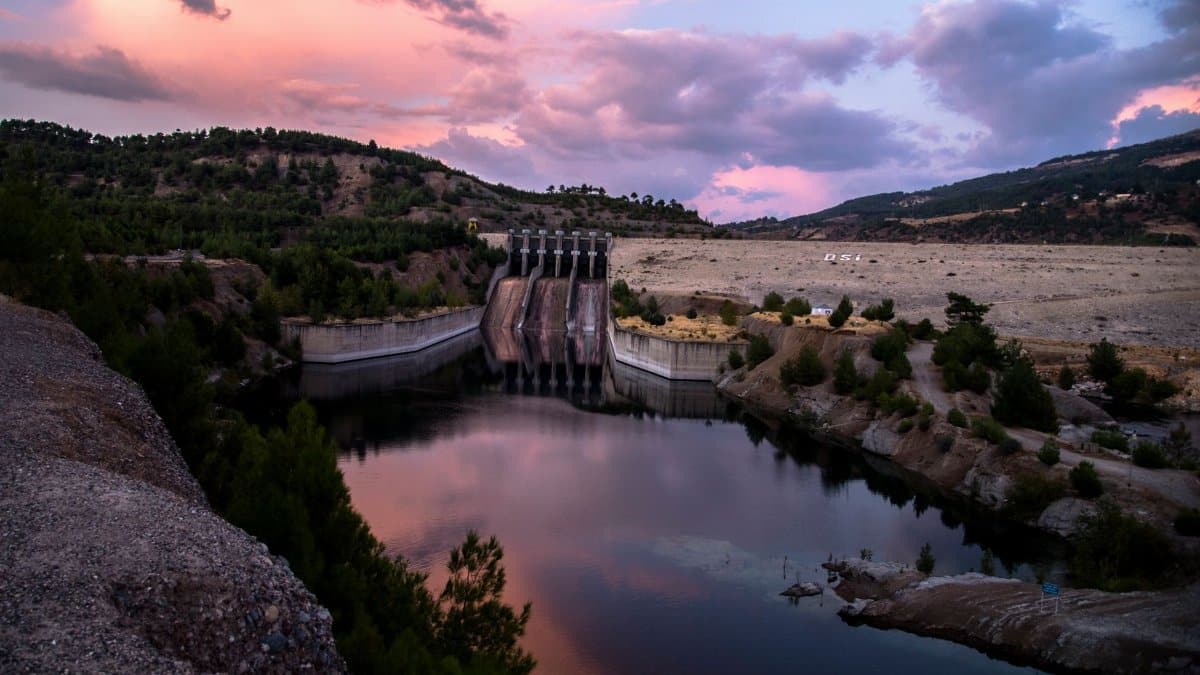
Over decades the lake has served as a critical buffer during wet and dry cycles alike. Its capacity once seemed limitless, yet repeated shortfalls have exposed limits in the original design assumptions. Past agreements among basin states now face revision as conditions evolve.
Role of Conservation Programs
Alongside the funding, voluntary cutbacks by major users form a key part of the strategy. Farmers and cities have already begun reducing withdrawals in exchange for compensation. These steps complement the physical improvements funded at the federal level.
Environmental Considerations Surface
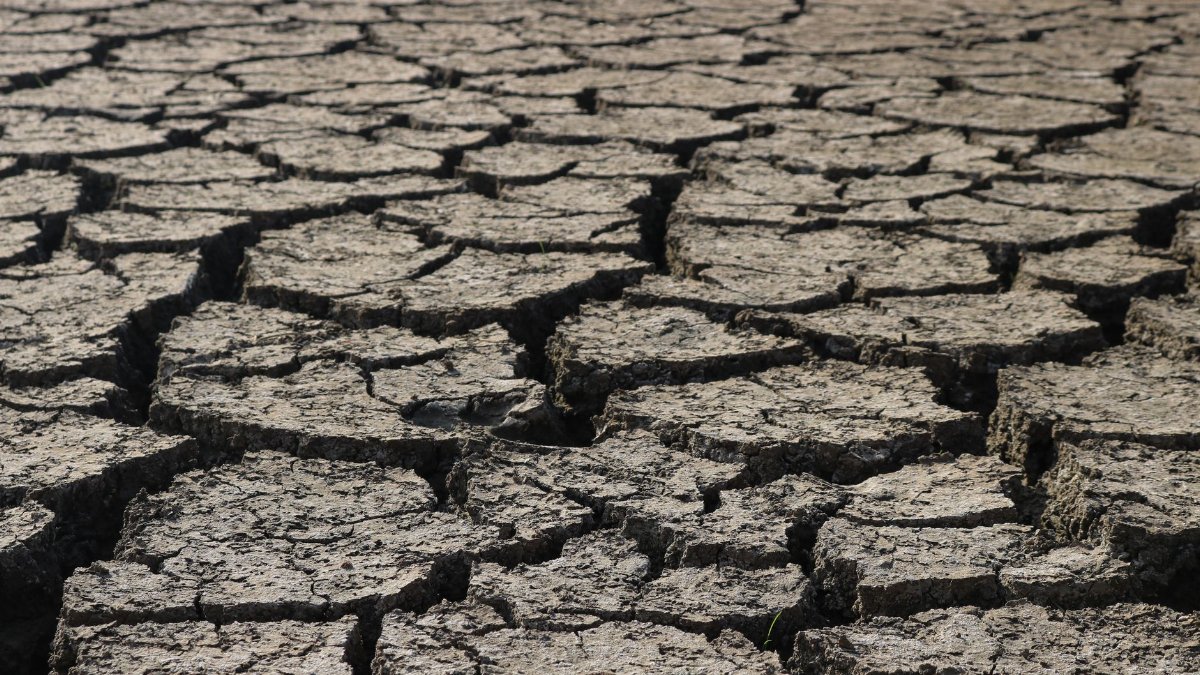
Wildlife habitats around the shrinking shoreline face pressure as water recedes. Species adapted to deeper conditions encounter new stresses that require separate mitigation efforts. The current package includes provisions for monitoring these changes closely.
Economic Stakes for Downstream Areas
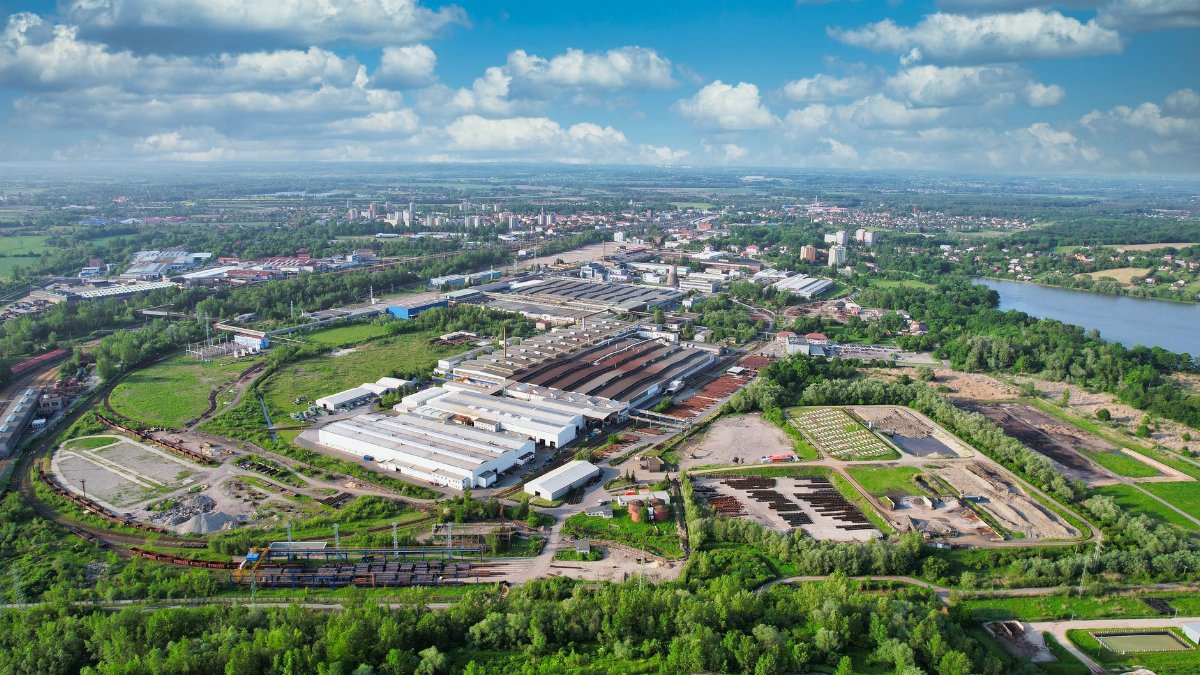
Industries tied to reliable water access see the investment as essential insurance. Tourism operators near the lake also track developments, since low levels deter visitors who once flocked to the area. Broader ripple effects could touch energy production and real estate values.
State Level Responses Develop

Governors in affected regions have welcomed the aid while pushing for additional flexibility in future rules. Some propose expanded storage options or new conveyance infrastructure to stretch existing resources. Coordination meetings continue in an effort to align priorities.
Future Projections and Uncertainties

Climate models suggest further variability ahead, making the present boost a temporary measure rather than a permanent fix. Policymakers emphasize adaptive strategies that can respond to shifting patterns. Ongoing research seeks better forecasts to guide those adjustments.
Public Awareness Efforts Increase

Outreach campaigns now highlight individual actions that collectively ease demand. Residents learn about efficient fixtures and landscaping choices suited to arid settings. Such education complements the large scale engineering work now underway.