
In a quiet laboratory researchers observe volunteers holding sequences of numbers in mind during brain scans. Such experiments reveal how fleeting mental activity might underpin our sense of being present in the world. Working Memory Consciousness has emerged as a compelling explanation for why only certain neural processes produce subjective experience while others remain hidden.
Foundations of Mental Capacity
Working memory acts as a temporary store that keeps information active for immediate use. Cognitive scientists note that this capacity allows people to follow conversations plan actions and maintain goals across changing environments. Without it daily life would fragment into disconnected moments.
Links to Subjective Experience
Consciousness requires more than raw sensory input. It needs integration of details into a coherent scene. Working Memory Consciousness proposes that the same mechanisms enabling us to juggle several items also generate the unified feeling of awareness. Studies of attention shifts support this view by showing overlapping brain regions.
Evidence from Brain Imaging
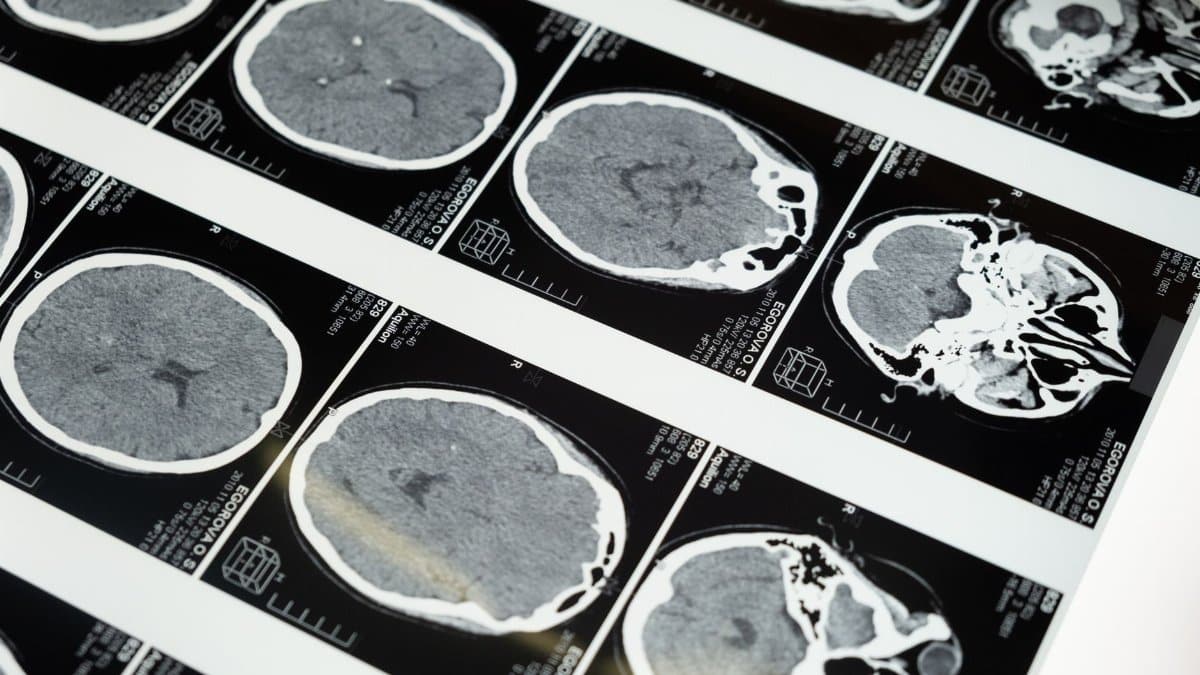
Functional scans reveal sustained activity in prefrontal areas during tasks that demand holding information. When this activity falters reports of conscious access decline as well. The pattern suggests a shared substrate rather than separate modules for memory and awareness.
Contrasts with Other Theories

Global workspace models emphasize broadcast of information across the cortex. In contrast Working Memory Consciousness focuses on limited capacity and active maintenance. Both accounts agree that ignition of widespread networks marks the transition to reportable experience yet they differ on which operations prove essential.
Development Across the Lifespan

Children show gradual expansion of working memory alongside gains in self reflection. Older adults often experience reduced span that correlates with narrower awareness of ongoing events. These trajectories illustrate how the same resource shapes both cognition and the quality of lived experience.
Clinical Implications

Disorders such as schizophrenia and traumatic brain injury frequently impair working memory. Patients describe fragmented attention and diminished presence. Therapeutic approaches that train memory strategies sometimes restore aspects of subjective continuity though results vary widely among individuals.
Philosophical Questions Raised

If working memory gives rise to consciousness then machines with similar buffers might possess rudimentary awareness. This possibility challenges traditional boundaries between biological and artificial minds. It also prompts fresh examination of moral status for advanced computational systems.
Future Research Directions
Scientists plan experiments that temporarily disrupt maintenance processes while measuring reportability of stimuli. Such work could clarify whether capacity limits represent a necessary condition for consciousness or merely an accompaniment. Collaboration across psychology neuroscience and computer science will prove vital.