

When hurricane season approaches each year, many Florida residents find themselves weighing difficult choices about how best to protect their families and property. With roads often becoming impassable due to congestion, a new service has emerged offering an alternative through private aircraft. This development centers on what is known as the Florida Hurricane Evacuation Flight, providing a means to depart the state ahead of major storms without the usual delays associated with ground travel.
The Rising Demand for Swift Departures
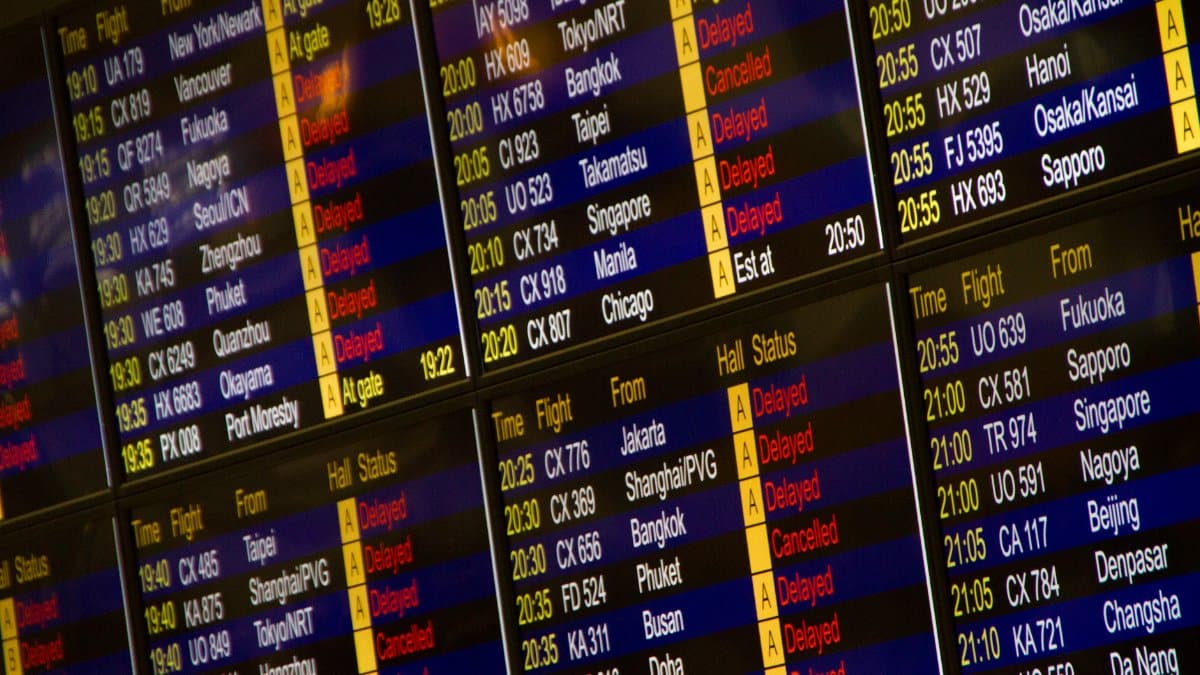
Residents along the coast have grown accustomed to long waits on highways whenever a major storm threatens. Reports from recent seasons show that some trips which normally take a few hours stretched into full days of stop and go movement. This pattern has prompted interest in options that bypass crowded routes altogether. The new flight service responds to that pattern by promising scheduled departures from several Florida airports. Families who once packed vehicles with supplies now consider whether an aircraft seat offers greater reliability when time is short.
Details of the New Private Service

The operator, known as PriorityEvac, markets seats at a flat rate of 1250 dollars per person. Each booking includes transport from designated pickup points to airports outside typical storm paths. Aircraft are reserved in advance so that availability does not depend on last minute arrangements. Passengers receive updates through a mobile application that tracks weather developments and confirms departure windows. The company states that its model differs from standard charter flights because seats remain open until a storm actually forms.
Community and Faith Based Responses to Storms
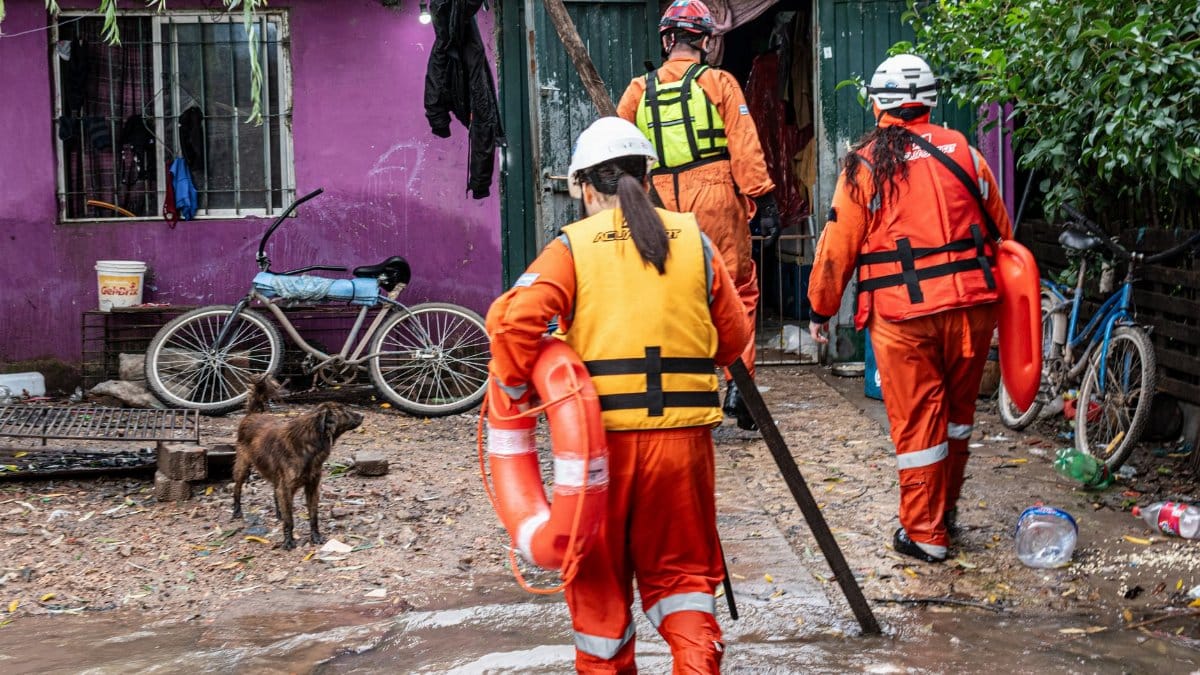
Churches and civic groups across Florida often coordinate shelter plans well before any warning is issued. In some areas these organizations have begun discussing how private flights might fit into broader assistance networks. Leaders note that members with limited mobility sometimes struggle to reach public shelters on crowded roads. Conversations have turned toward whether partnerships could help extend access to air travel for those who need it most. Such discussions reflect a wider trend of blending practical safety measures with longstanding traditions of mutual support.
Comparisons With Conventional Methods

Standard evacuation routes rely on interstate highways that become bottlenecks during peak hours. State agencies publish maps showing contraflow lanes and shelter locations, yet real time conditions frequently change those plans. In contrast, the private flight option allows travelers to select from a short list of destination cities with direct service. Luggage limits are set higher than commercial carriers, which appeals to households carrying important documents and heirlooms. Still, the cost remains a barrier for many households that have relied on free or low cost public resources in past events.
Impact on Local Economies

Airports that host these flights report increased activity during the months when storms are most likely. Fuel suppliers, ground crews, and catering firms see added business from the scheduled departures. Some local officials suggest that reliable evacuation capacity could encourage more seasonal residents to stay through the full year rather than leaving early. Property values in certain coastal zones may also feel the effect if buyers view the flight option as an added layer of security. Economists continue to track whether these changes produce measurable shifts in regional spending patterns.
Preparation Strategies for Residents

Experts recommend that anyone considering the service first review insurance policies to confirm coverage for temporary relocation. Households are advised to keep digital copies of vital records stored in the cloud so that physical items do not need to travel with them. Test runs of the booking application before the season begins help avoid confusion on the day of departure. Neighbors sometimes form small groups to share costs, which spreads the expense across several families while maintaining the convenience of a single aircraft.
Future Outlook for Such Services

Industry analysts expect additional companies to enter the market if early operators demonstrate consistent performance. Regulatory agencies are reviewing licensing requirements that would apply to evacuation specific charters. Climate researchers note that the Atlantic basin has shown periods of heightened activity, which could sustain demand. At the same time, public agencies continue to expand highway capacity and improve warning systems, creating a mixed picture of how ground and air options will coexist in coming years.
Considerations for Potential Users

Anyone evaluating the 1250 dollar fare must weigh it against the value placed on time and comfort. The service does not replace official evacuation orders, and passengers remain responsible for monitoring local alerts. Medical needs, pet policies, and destination logistics all require separate planning. Those who have already used the Florida Hurricane Evacuation Flight describe a smoother experience than past road trips, yet they emphasize that advance booking remains essential. As the season progresses, more data will emerge on how widely this approach is adopted.