

Many adults reach a point where their physical form no longer matches the image they once held of themselves. Changes arrive through illness, aging, injury or simply the passage of years. These shifts can stir a deep sense of loss that lingers beneath daily routines. Body Grief Self Compassion offers a path through that loss by blending acknowledgment of pain with gentle acceptance rather than harsh judgment.
Recognizing the Weight of Physical Transformation

The human body tells a story shaped by time and experience. For middle aged readers this narrative often includes unexpected alterations in strength, appearance or mobility. Society rarely prepares people for the emotional toll of these developments. Instead messages emphasize resistance and restoration at all costs. This pressure can intensify feelings of isolation when the body refuses to cooperate with prior expectations.
How Loss Manifests in Daily Life

Grief over bodily change shows up in quiet moments such as avoiding mirrors or withdrawing from activities once enjoyed. Individuals may notice a reluctance to purchase new clothing or participate in social events that highlight physical presence. These reactions stem from an internal dialogue that equates worth with a former version of the self. Over time such patterns limit engagement with the present.
Distinguishing Grief from Other Emotions

Body related sorrow differs from general sadness because it centers on a tangible vessel that carries one through every experience. It involves mourning capabilities that once felt permanent. Unlike fleeting disappointment this form of grief can resurface during routine tasks like climbing stairs or choosing an outfit. Naming the experience accurately helps separate it from depression or anxiety which may require separate attention.
Introducing Mindful Awareness to the Process
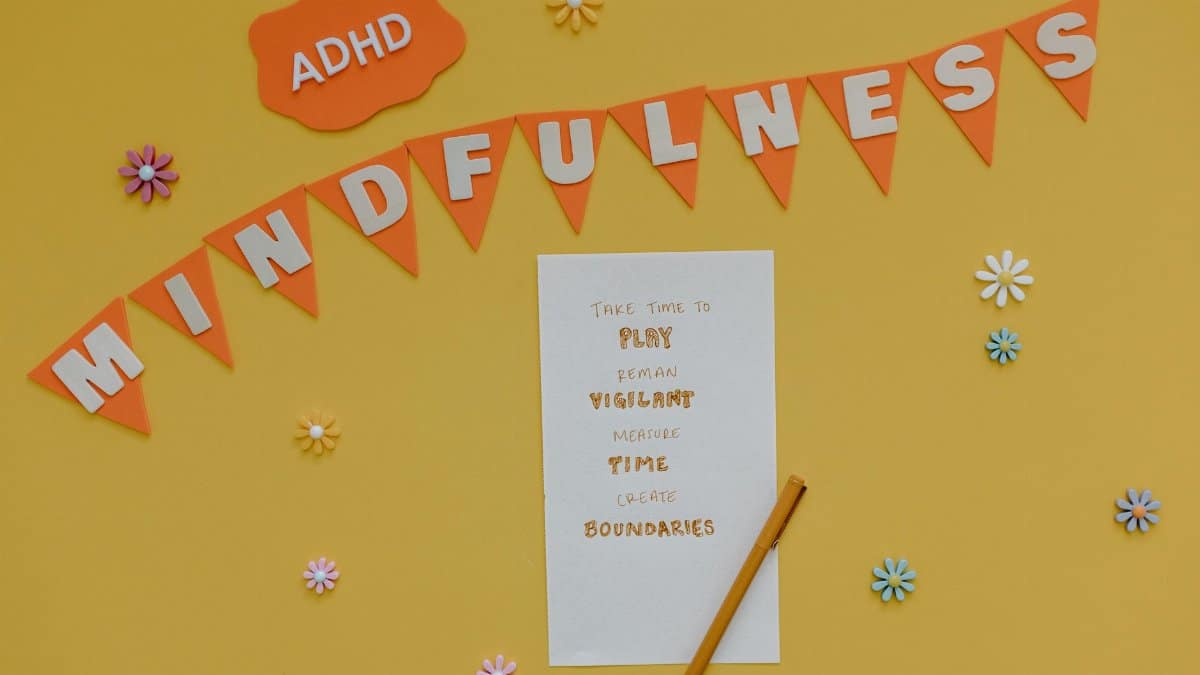
Mindfulness practices encourage observation of sensations without immediate attempts to alter them. Sitting quietly and noting areas of tension or discomfort creates space between stimulus and reaction. This pause allows recognition that the body remains functional even amid change. Regular application builds tolerance for discomfort that previously triggered avoidance.
Practical Steps Toward Self Acceptance

Simple routines support a shift in perspective. One approach involves writing brief notes each evening about what the body accomplished during the day regardless of limitations. Another invites gentle movement such as walking or stretching focused on sensation rather than performance. These actions accumulate into a broader sense of appreciation over weeks and months.
The Role of Community in Healing

Sharing experiences with others facing similar transitions reduces the sense of singularity. Group settings whether in person or virtual allow exchange of strategies and validation of feelings. Participants often discover that vulnerability fosters connection instead of the shame once anticipated. Professional facilitation can guide conversations toward constructive outcomes.
Long Term Shifts in Perspective

Sustained attention to Body Grief Self Compassion gradually reframes the relationship with the physical self. What began as resistance evolves into coexistence with current realities. Individuals report greater freedom in choices around clothing, exercise and social participation. The emphasis moves from restoration to presence.
Integrating Reflection into Routine
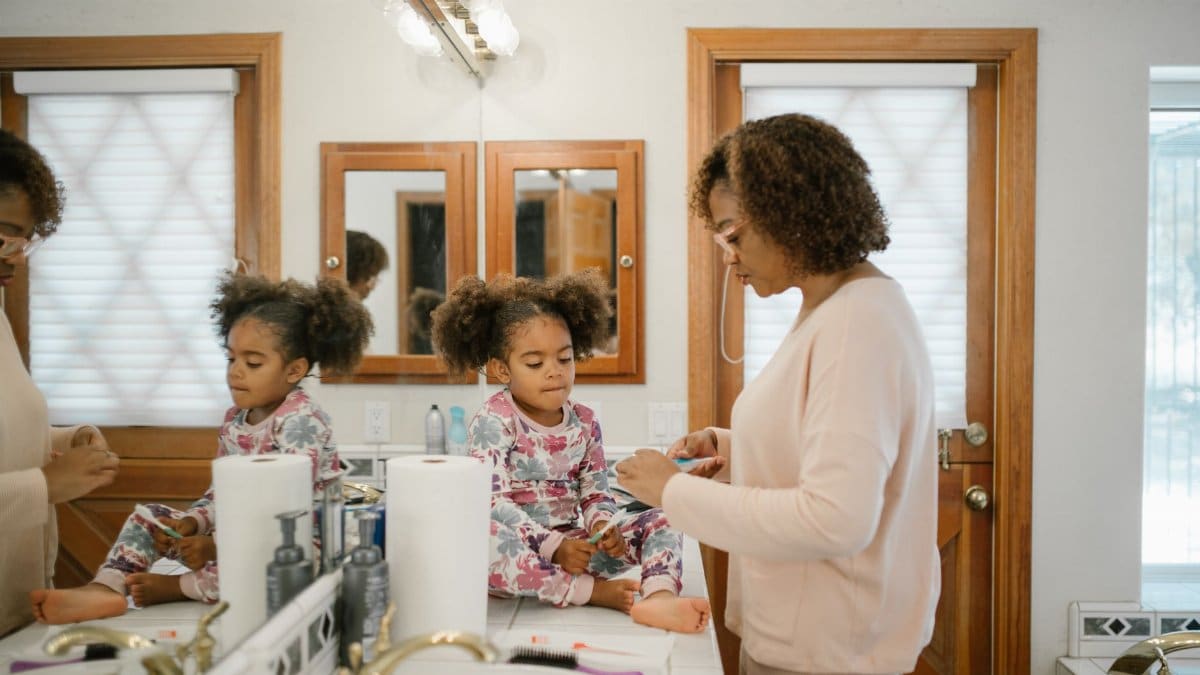
Journaling provides a private avenue for processing ongoing changes. Entries might explore moments of gratitude alongside honest acknowledgment of frustration. Over time patterns emerge that highlight resilience previously overlooked. This record serves as evidence of progress when motivation wanes.
Extending Compassion Beyond the Self

The principles developed through personal practice often extend outward. People become more patient with family members or friends navigating their own physical transitions. This outward flow reinforces internal gains by creating reciprocal support networks. Broader cultural conversations around aging benefit from such individual commitments.