

The emergency room nurse arrived for her shift already dreading the hours ahead. Patients lined the hallways, call lights blinked without pause, and she felt the familiar weight settle in her chest before she even reached the first bed. This scene repeats daily across hospitals, nursing homes, and home health agencies, where sustained emotional labor leads many professionals to a state known as Caregiver Burnout.
The Daily Realities Faced by Professional Caregivers
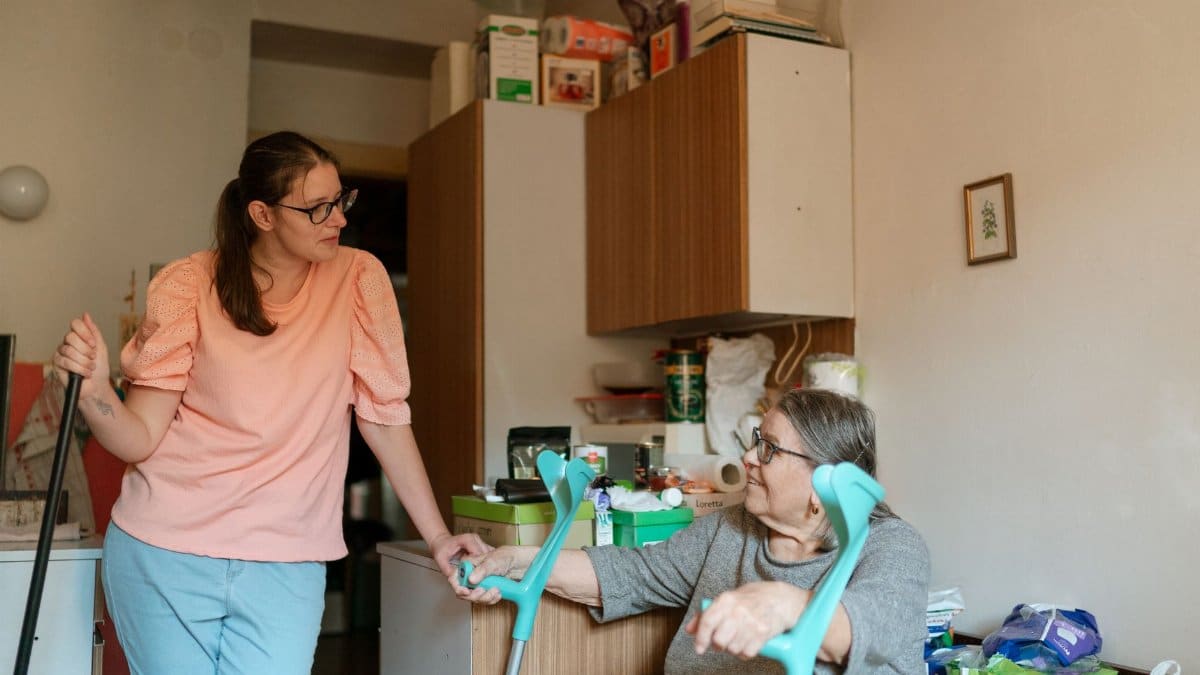
Care work demands constant attention to others while managing time pressures and limited resources. Staff members handle medical tasks, emotional support, and family communications in rapid succession. Over months and years these routines erode personal energy reserves and reduce the capacity for fresh engagement with each new case.
How Empathy Can Diminish Over Time

Repeated exposure to suffering trains the mind to create distance as a protective measure. What begins as genuine concern gradually shifts toward mechanical responses. Studies from the Greater Good Science Center show that without deliberate practice this protective distance can harden into detachment that affects both worker satisfaction and patient outcomes. The linked research appears at https://greatergood.berkeley.edu/article/item/how_do_you_learn_to_care_when_caring_is_your_job.
Training Programs That Build Resilience
Several hospitals now require structured modules that teach caregivers to notice their own emotional responses during shifts. Participants practice brief reflection exercises between patient encounters. Early results indicate lower turnover rates and higher self reported job fulfillment after six months of consistent use.
The Role of Mindfulness in Sustaining Compassion

Short breathing practices inserted into the workday help reset attention before fatigue accumulates. Instructors guide staff to observe physical sensations of stress without judgment. Over repeated sessions these pauses restore the ability to remain present rather than defaulting to routine scripts.
Organizational Support Systems That Make a Difference

Facilities that schedule regular debriefing sessions after difficult cases report stronger team cohesion. Supervisors trained to recognize early signs of withdrawal can offer schedule adjustments or peer mentoring before exhaustion deepens. Such structural changes reduce isolation that often accompanies prolonged care duties.
Personal Stories of Recovery from Exhaustion

One home health aide described reaching a point where she avoided eye contact with clients to finish visits faster. After joining a peer led discussion group she learned to name specific moments that triggered withdrawal. Within several weeks she noticed renewed curiosity about the people she visited each day.
Research Findings on Effective Interventions

Longitudinal data collected across multiple states link regular compassion training with measurable drops in absenteeism. Programs that combine skill practice with workload monitoring show the strongest effects. Links to published summaries can be found through university wellness centers that track these outcomes.
Community Resources for Long Term Caregivers
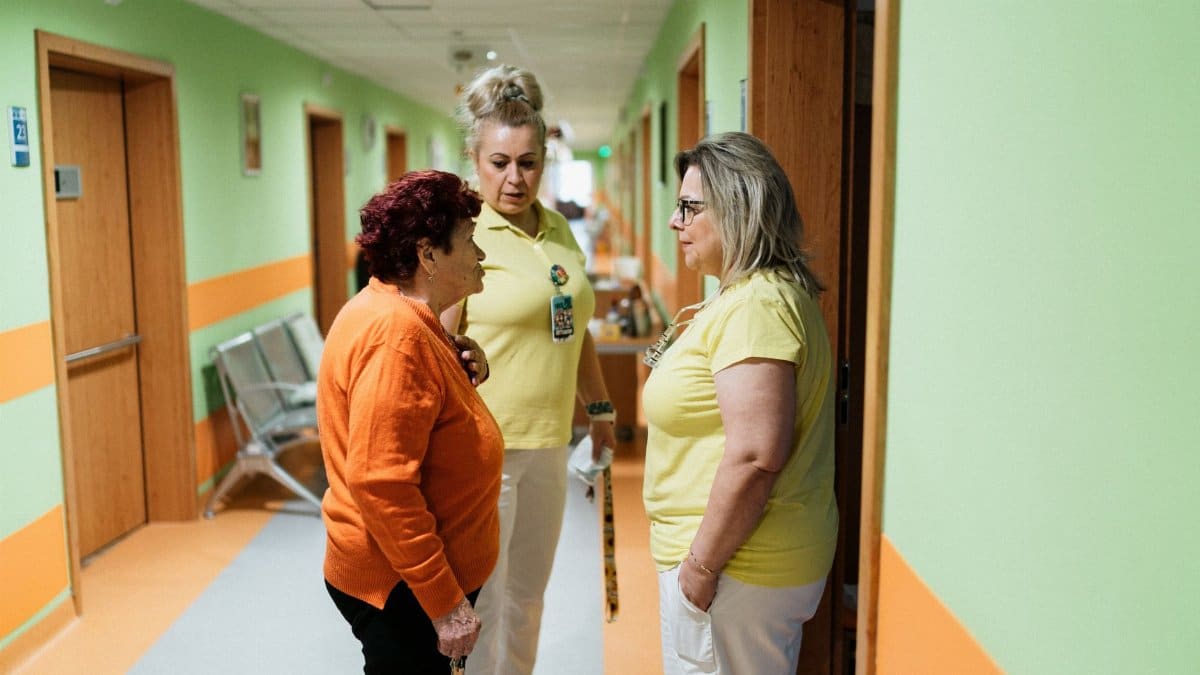
Local nonprofits offer evening workshops focused on boundary setting and peer connection. These gatherings provide space outside the workplace to discuss challenges without professional repercussions. Attendance has grown steadily as word spreads through professional networks.
Balancing Professional Duties with Personal Wellbeing

Caregivers who maintain outside interests report greater stamina during demanding periods. Simple routines such as walking after shifts or maintaining non work friendships create necessary contrast. Employers that respect these boundaries see sustained performance rather than sudden departures.
Future Approaches to Caregiver Education

Medical and nursing schools are testing curricula that treat emotional regulation as a core clinical skill alongside anatomy and pharmacology. Early pilots integrate reflective writing and simulated patient interactions to prepare students before they enter high intensity environments. The goal remains consistent delivery of attentive care without the hidden cost of personal depletion.