

Many residents and visitors often pause before certain everyday actions wondering if they might invite unwanted legal trouble. Activities that seem harmless on the surface can spark confusion when state rules enter the picture. This guide examines common scenarios to clarify boundaries and provide straightforward explanations drawn from Arizona regulations. The focus remains on helping readers understand what qualifies as legal in Arizona without unnecessary complications or surprises during routine situations.
Sleeping overnight inside a parked vehicle
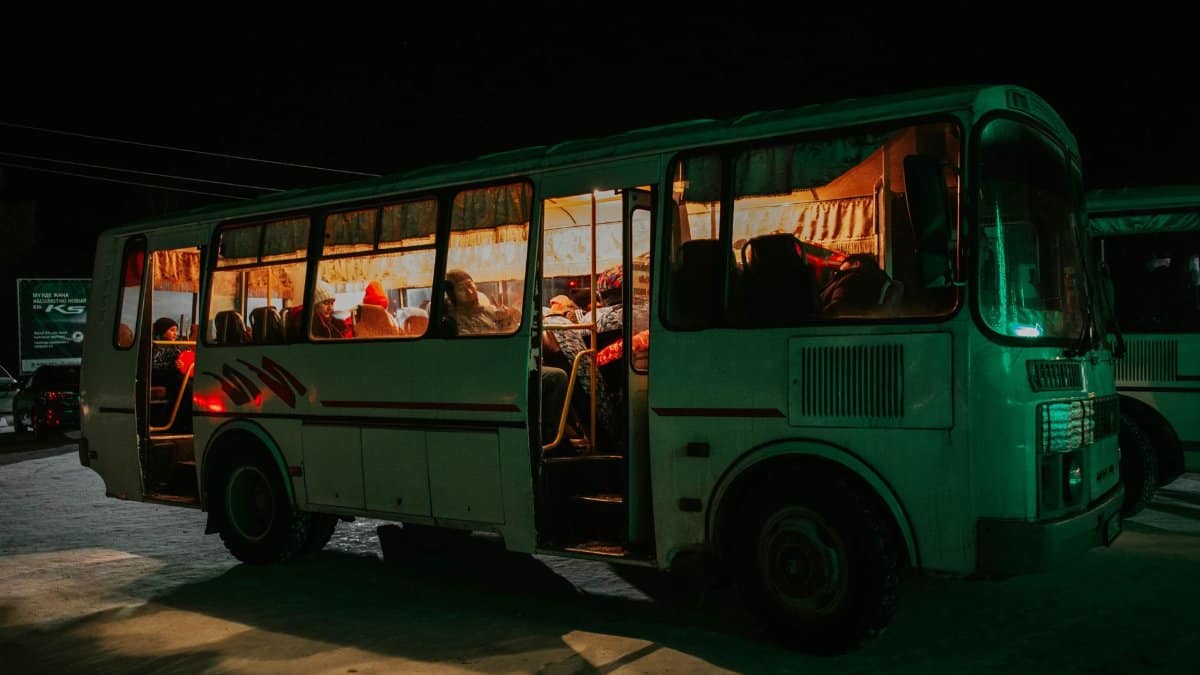
Arizona law generally permits resting in a car on public streets provided the vehicle stays in a legal parking spot and does not obstruct traffic. Officers typically look for signs of camping such as extended stays or setup items before issuing citations. Local ordinances in cities like Phoenix add extra layers requiring permits for overnight use in certain zones. Travelers should check municipal codes ahead of time to avoid fines that range from warnings to several hundred dollars depending on the location and duration.
Sunbathing without clothing on private property

Nude tanning remains acceptable on personal land when shielded from public view and neighbors. State statutes do not impose blanket bans yet public exposure laws apply if visibility reaches streets or shared areas. Homeowners with high fences or secluded backyards face fewer risks though complaints can still trigger investigations. Courts have upheld privacy rights in such cases when reasonable efforts prevent unwanted sightings by others.
Turning right at a red light signal
Drivers may proceed after a full stop at red lights unless signs prohibit the move or pedestrians occupy the crosswalk. This practice applies statewide with the requirement to yield to all traffic and follow intersection markings. Enforcement focuses on failures to stop completely rather than the turn itself. Safety data from transportation departments shows mixed outcomes with some intersections posting higher incident rates during peak hours.
Carrying a firearm openly in public spaces

Open carry of handguns stays legal for adults without felony records under constitutional carry provisions. Certain locations including schools and government buildings maintain restrictions that require permits or prohibit weapons entirely. Recent court decisions have reinforced these rights while urging responsible handling to prevent escalation during encounters with law enforcement. Background checks apply only for concealed options in most circumstances.
Using a mobile device while operating a motor vehicle
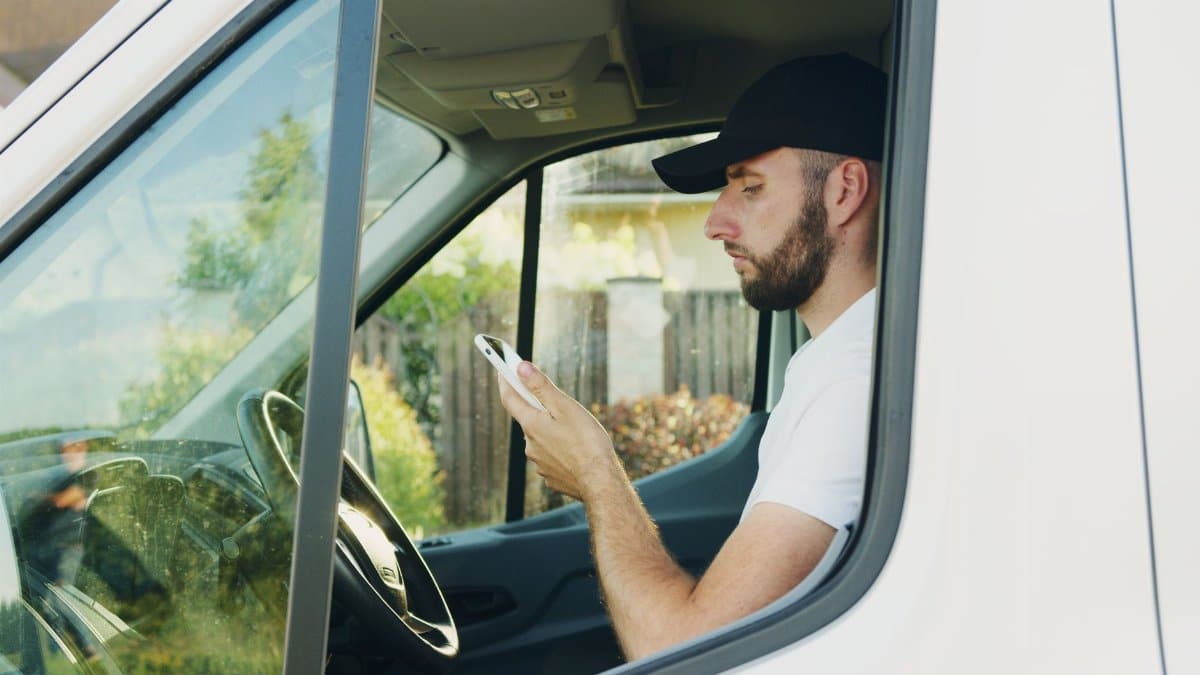
Handheld phone use for calls or texting draws penalties when the car is in motion though hands free systems receive approval. Enforcement relies on officer observation with fines starting around one hundred dollars for first offenses. Studies from safety organizations link distracted driving to increased crash risks prompting ongoing education campaigns across the state. Exceptions exist for emergency situations but proof remains essential during any stop.
Setting off consumer grade fireworks during holidays

State rules allow certain fireworks on private property during designated periods around July Fourth and New Years yet cities often tighten limits or ban aerial types. Permits become necessary for larger displays and violations lead to confiscation plus possible criminal charges. Residents benefit from reviewing county updates each season since weather conditions and local fire risks influence temporary adjustments to the guidelines.