
In the heart of the Midwest political scene a group of candidates stepped forward at party gatherings with limited prior experience yet strong grassroots appeal. Their success in gaining support signals a notable shift away from traditional figures. This development around Minnesota GOP outsiders 2026 raises questions about whether such momentum can translate into actual victories next cycle.
Convention Dynamics Shape Candidate Selection

Recent gatherings revealed a clear preference among delegates for individuals who positioned themselves against long serving insiders. Discussions centered on core issues like taxes and education policy drew enthusiastic responses for these newcomers. Observers noted that energy levels remained high throughout the proceedings as speakers emphasized fresh perspectives over established networks.
Profiles Reveal Varied Backgrounds Among Contenders

Several endorsed individuals come from business or community leadership roles rather than elected office. One example involves a former educator who focused on local school board matters before expanding her reach. Another draws from manufacturing experience and stresses economic self reliance in public appearances. These paths differ markedly from career politicians who typically build records over decades.
Name Recognition Poses Significant Barriers
Surveys conducted after the endorsements showed that many voters still struggle to identify the new faces even in their own districts. This gap persists despite targeted outreach efforts through social media and community events. Without broader familiarity the path to November wins becomes steeper in competitive areas where opponents enjoy established visibility.
Rural Voter Sentiment Offers Potential Openings
In outstate regions support tends to align more readily with messages centered on limited government and agricultural priorities. Local meetings often highlight frustrations with distant decision makers in the capital. Minnesota GOP outsiders 2026 may find receptive audiences here if they maintain consistent messaging on these themes without overcomplicating their platforms.
Urban Districts Present Distinct Challenges

Cities and suburbs feature denser populations with diverse concerns ranging from housing costs to transit access. Candidates must navigate these topics while avoiding alienating core supporters. The outsider label can help in some conversations yet risks coming across as disconnected when detailed local knowledge is expected during debates or forums.
Fundraising Efforts Lag Behind Incumbent Levels
Early financial reports indicate that the endorsed group trails in total contributions compared to more familiar opponents. Reliance on small donor networks helps but cannot fully offset the advantage of name driven contributions. Strategic allocation of limited resources toward digital advertising becomes essential for closing visibility gaps before primary dates arrive.
Media Attention Remains Uneven Across Races

Coverage in major outlets often favors stories about high profile contests leaving lesser known candidates with minimal exposure. Local papers provide some balance through candidate questionnaires yet circulation limits their reach. Building independent channels for direct communication with constituents grows more important under these conditions.
Primary Contests Could Test Unity
Although endorsements provide an initial boost internal competition may emerge in districts with multiple ambitious voices. Debates over strategy and emphasis could surface differences among those who share the outsider mantle. Managing these tensions without fracturing broader party cohesion will require careful coordination in the months ahead.
General Election Outlook Depends on Broader Trends
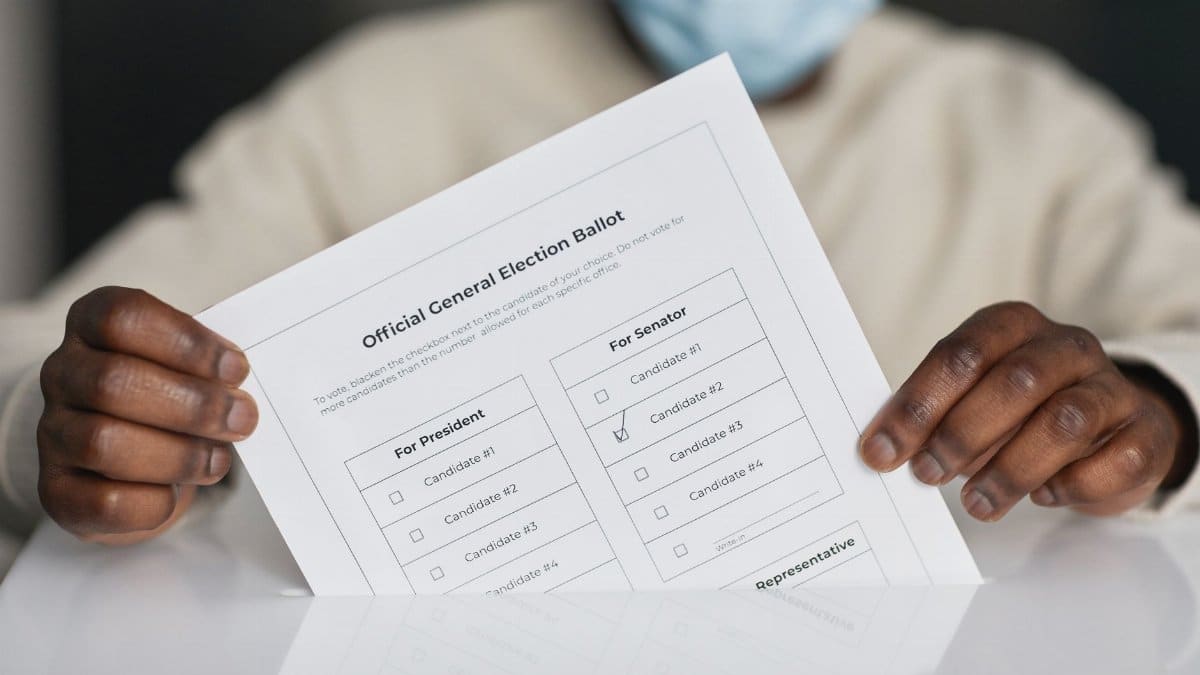
National political currents and economic conditions will likely influence outcomes as much as local factors. Minnesota GOP outsiders 2026 stand to benefit if voter dissatisfaction with the status quo continues to build. Success however hinges on adapting messages to specific district realities rather than relying solely on convention momentum.