

The financial strains at the University of Washington have long tested leaders who must balance prestige with practical needs. In recent years athletics faced shortfalls that prompted swift intervention from central administrators. Academics on the other hand absorbed repeated cuts without similar relief. This pattern highlights choices made during the UW sports bailout that favored one side of campus over the other. Observers now question whether those priorities align with the core mission of a public research institution serving thousands of students each term.
Budget Pressures Across Campus Units
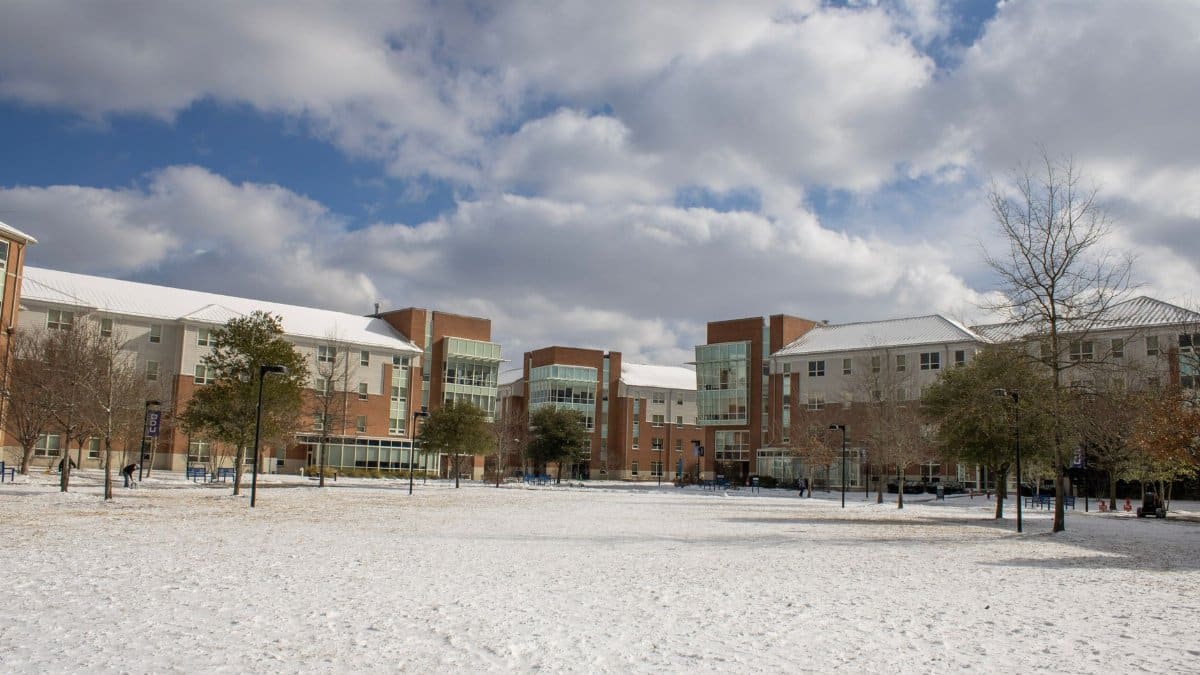
Both athletic programs and academic departments reported shortfalls driven by rising costs and uneven revenue growth. Athletic operations depend heavily on ticket sales media deals and donor gifts that fluctuate with performance and economic conditions. Academic units rely on state appropriations tuition and research grants that have faced their own volatility. When deficits emerged in sports the response involved transfers from general funds to cover gaps. Academic areas received directives to trim positions and delay projects instead.
Role of Leadership Decisions

University administrators weighed options for restoring balance and selected support for athletics as the path forward. This approach reflected concerns over maintaining competitive standing in major conferences where success brings visibility and indirect benefits. Academic leadership received encouragement to pursue internal efficiencies without comparable injections of support. The contrast in treatment shaped perceptions among faculty and staff who track resource allocation closely.
Impact on Student Experiences

Athletes continued to benefit from facilities training and travel resources sustained by the additional backing. Regular students encountered larger class sizes reduced advising and fewer research opportunities as academic budgets tightened. These differences affect daily life in ways that extend beyond graduation for many who attend the Seattle campus. Retention rates in certain programs have drawn attention from those monitoring enrollment trends.
Comparisons With Peer Institutions

Other public universities in the region have handled similar shortfalls through shared sacrifice across divisions rather than targeted rescues. Some have restructured athletic subsidies to limit draws on academic resources. The UW approach stands out for the speed and scale of assistance directed toward sports. Analysts note that such choices can influence recruiting of both athletes and scholars over time.
Donor Influence and Revenue Streams

Major contributors to athletic causes often expect visible results on the field or court which can accelerate funding decisions. Academic fundraising tends to focus on endowments for specific programs or scholarships that build more gradually. During the UW sports bailout donor conversations centered on preserving momentum in high profile events. This emphasis can shift attention away from quieter needs in laboratories and libraries.
Long Term Consequences for Reputation

Public universities earn trust through consistent commitment to teaching and discovery. When one area receives protection from cuts while another absorbs them the message reaches prospective students and their families. Surveys of campus sentiment have shown growing divides between those who see athletics as essential branding and those who view academics as the true priority. Sustained imbalance risks eroding that trust among broader constituencies.
State Funding Context

Washington lawmakers allocate resources with attention to economic development and workforce preparation. Athletic success can generate positive attention yet rarely factors directly into legislative formulas. Academic programs produce the graduates and innovations that align more closely with stated state goals. The bailout choice therefore raises questions about alignment between campus actions and public expectations.
Faculty and Staff Perspectives

Many instructors report heavier workloads after positions went unfilled in their departments. Coaches and athletic staff describe relief at avoided reductions that would have affected team operations. These parallel realities coexist on the same campus yet receive different levels of administrative attention. Forums and internal reports have captured the resulting tensions without resolving underlying disparities.
Future Planning Considerations

Campus planners now face renewed scrutiny over how to project revenues and expenses in both domains. Models that assume continued support for athletics may require adjustment if academic shortfalls persist. Discussions about governance structures aim to create clearer processes for handling future deficits. The experience of the UW sports bailout serves as a reference point in those ongoing conversations.