
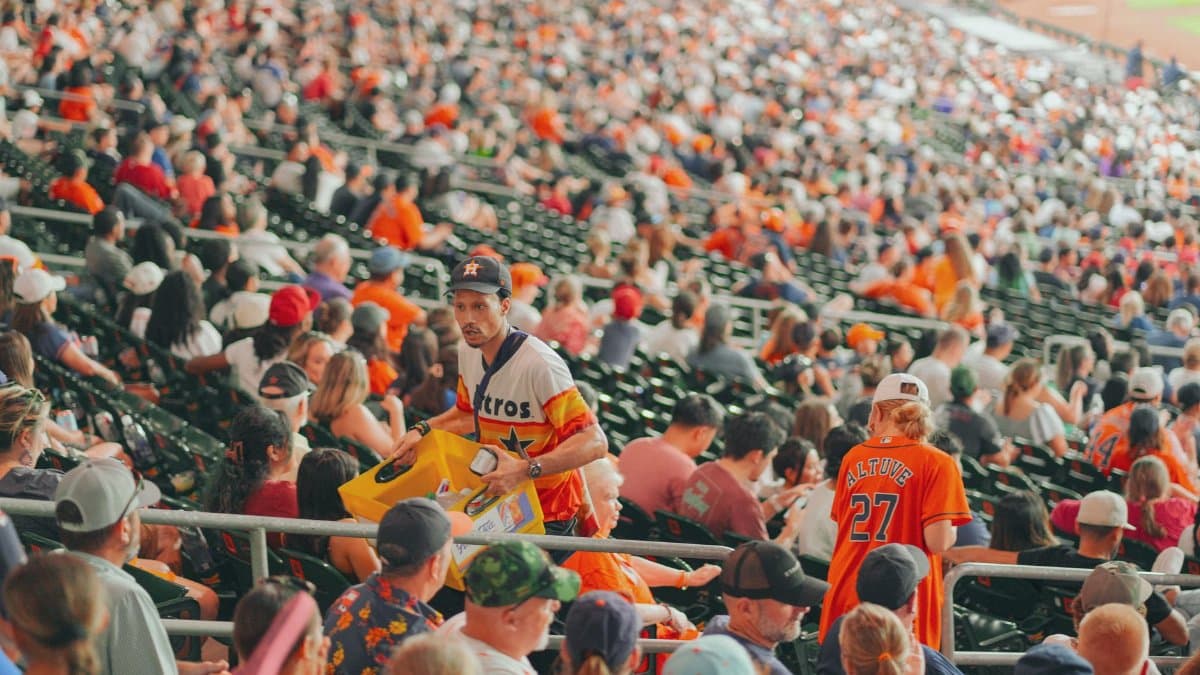
In the heart of Texas, anticipation built around major sporting events often centers on how local businesses might thrive from added visitors and heightened energy. Houston prepared extensively for the global soccer tournament, with many expecting a surge in patronage at dining spots across the city. Observers noted packed venues during key matches, yet the lasting financial effects remain under scrutiny. The broader narrative around Houston World Cup restaurants involves weighing projected gains against actual outcomes in a competitive hospitality landscape.
Early Projections for Visitor Spending
City leaders and industry analysts forecasted substantial increases in tourism dollars flowing into eateries. These estimates drew from past events where international crowds boosted local economies through extended stays and group outings. Restaurants geared up with special menus and extended hours to capture that momentum.
Daily Operations During Peak Matches
Staff at numerous locations reported steady streams of customers on game days. Families and groups filled tables earlier than usual, drawn by communal viewing setups. This pattern held across diverse neighborhoods, creating a temporary lift in midday and evening service volumes.
Adjustments in Menu Offerings
Owners experimented with themed dishes tied to participating nations to attract curious patrons. Such innovations helped differentiate spots amid the event buzz without requiring major overhauls to core operations.
Foot Traffic Patterns Across Districts

Downtown areas saw notable upticks compared to quieter suburbs. Data from reservation platforms indicated higher booking rates near stadium zones. Yet some independent spots outside main thoroughfares experienced only marginal changes.
Challenges in Measuring True Gains

Separating tournament effects from normal seasonal fluctuations proved difficult. Economic reports highlighted that baseline sales already trended upward due to recovery from prior disruptions. This overlap complicated direct attribution of any windfall.
Perspectives from Longtime Operators
Veteran restaurateurs described the period as energetic but not transformative. Many recalled similar spikes during other large gatherings, suggesting the tournament fit into a pattern rather than marking an outlier.
Role of Media Coverage in Awareness
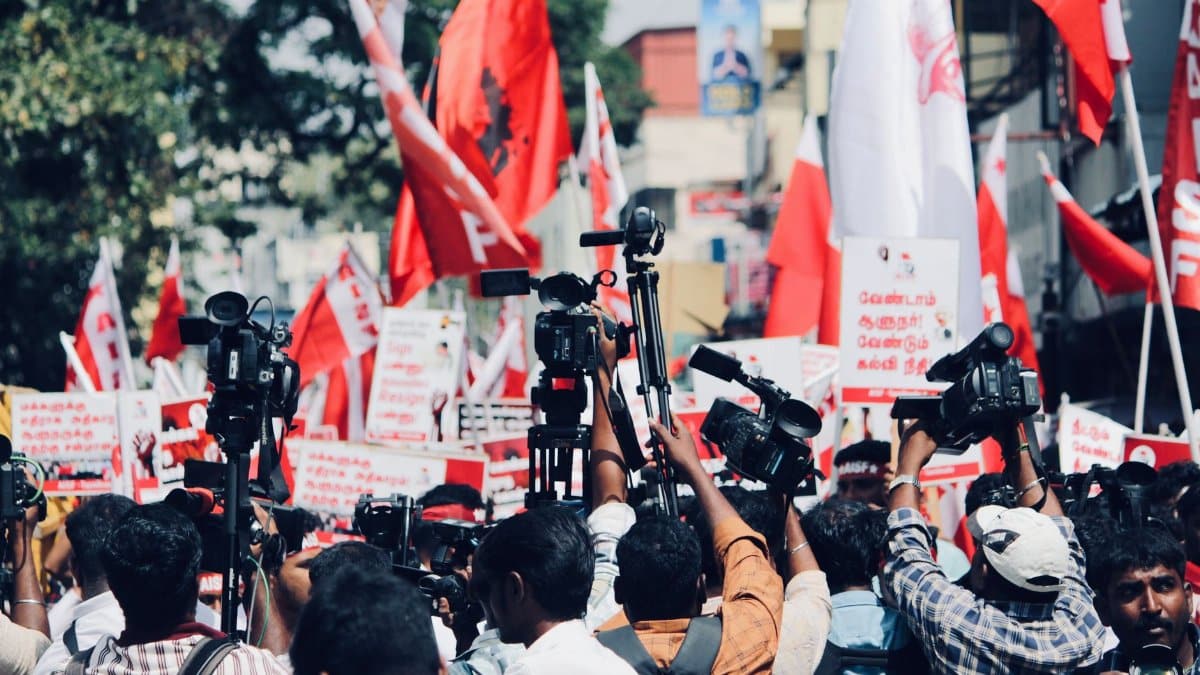
National broadcasts mentioned Houston as a hub for soccer enthusiasts, indirectly promoting the dining scene. This exposure encouraged some out of town visitors to explore beyond typical tourist routes.
Post Event Reflections on Sustainability

As crowds dispersed, questions arose about whether new habits would persist. Regular customers returned, but the novelty driven influx faded quickly in subsequent weeks.
Comparisons to Other Host Cities
Houston outcomes aligned closely with experiences in comparable urban centers. Shared factors like infrastructure capacity influenced how effectively restaurants converted event interest into ongoing revenue streams.
Future Implications for Event Planning

Local associations now review strategies for upcoming tournaments. Emphasis falls on targeted promotions rather than broad assumptions of automatic prosperity.