
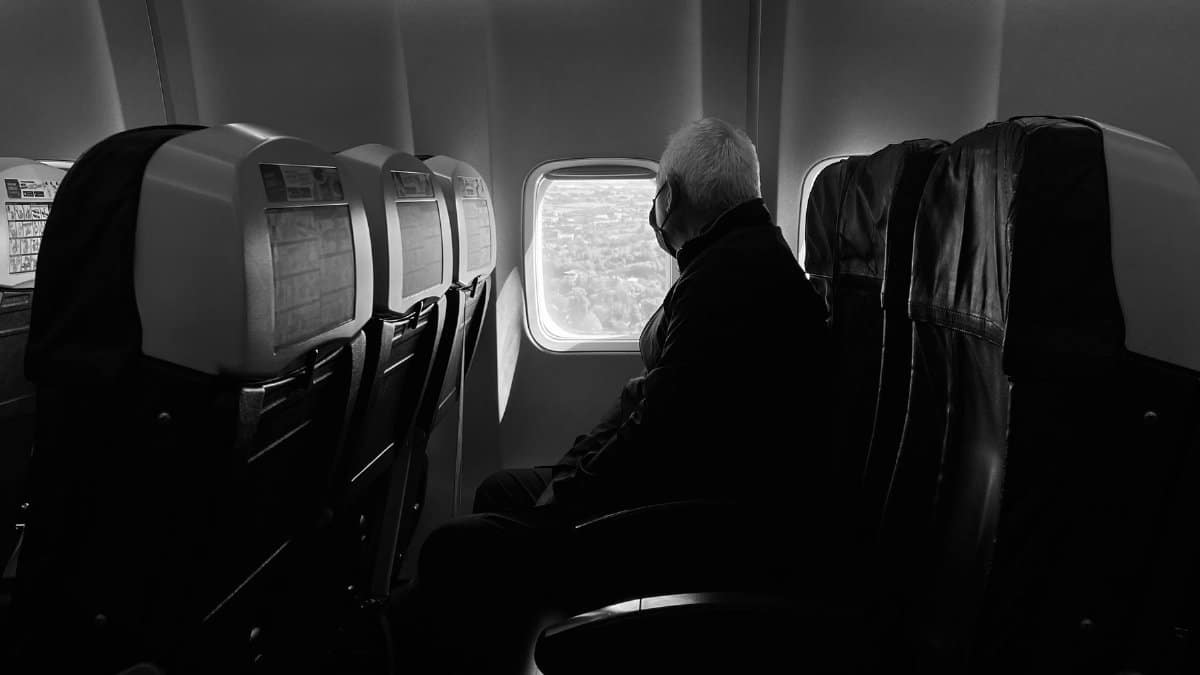
In the moments after takeoff from an airport in Greece one summer day a routine flight turned chaotic when a cabin window shattered without warning. Passengers nearby saw a man drawn toward the opening as air rushed out with force. Quick action from those seated close by prevented a worse outcome in what reports later described as the plane window emergency Greece. The event left many travelers shaken yet also highlighted how strangers can unite in crisis. Aviation authorities began looking into the cause while passengers shared accounts of the sudden pressure change and the scramble to help.
Sequence of Events on Board
The aircraft had reached a low altitude when the window failed. Air pressure inside the cabin dropped fast pulling objects and the passenger toward the gap. Those around him grabbed his arms and torso holding tight against the suction. Crew members moved in with belts and other items to secure the man until the pilot could descend to safer levels. The plane returned to the airport without further damage reported to the structure.
Passenger Reactions During Crisis
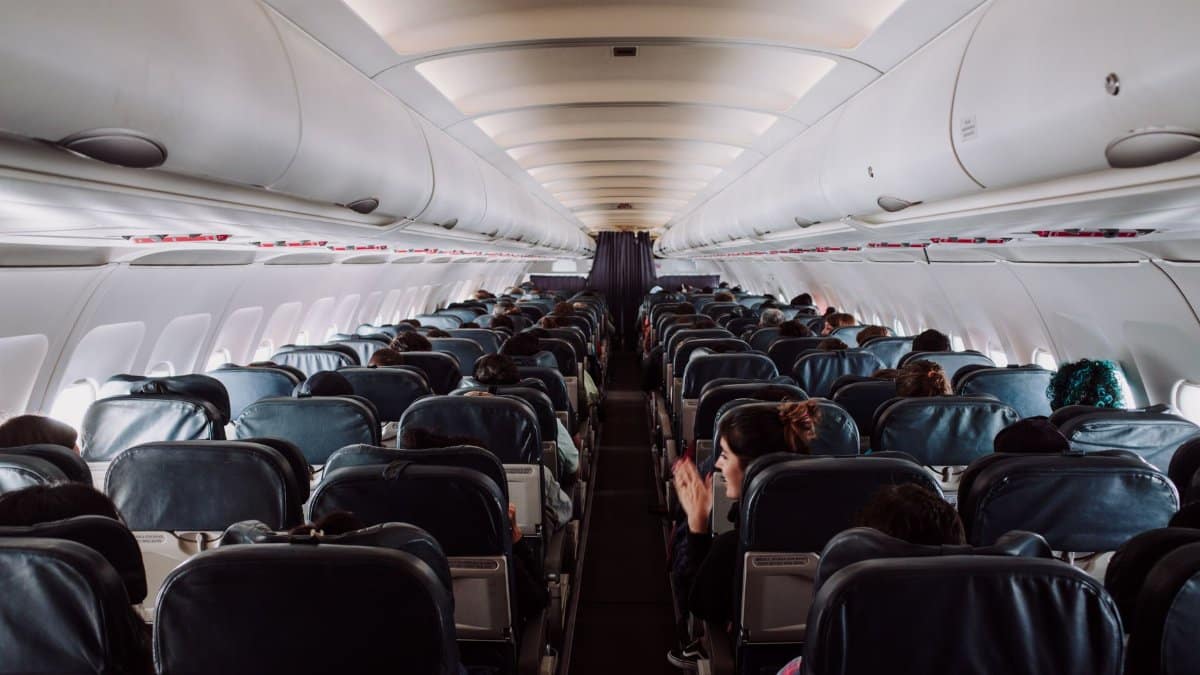
Many on the flight spoke afterward of the noise and wind that filled the cabin. One traveler recalled the collective effort as people leaned across seats to reach the affected man. Others described a brief period of confusion followed by calm instructions from the crew. The shared experience left some reflecting on how quickly a normal journey can change.
Role of Fellow Travelers in Rescue
Those seated in the same row acted first reaching for the man as he began to move toward the opening. Their combined strength kept him from going further out. Later accounts praised their presence of mind in a situation few had prepared for. The crew credited the group effort with keeping the incident contained until landing.
Investigation into Window Failure

Officials examined the window frame and surrounding panel once the plane was on the ground. Early findings pointed to possible material fatigue though full tests were still underway. Regulators noted similar past cases on other aircraft types and planned additional checks across the fleet. The airline cooperated fully with the review process.
Medical Care for the Injured Man
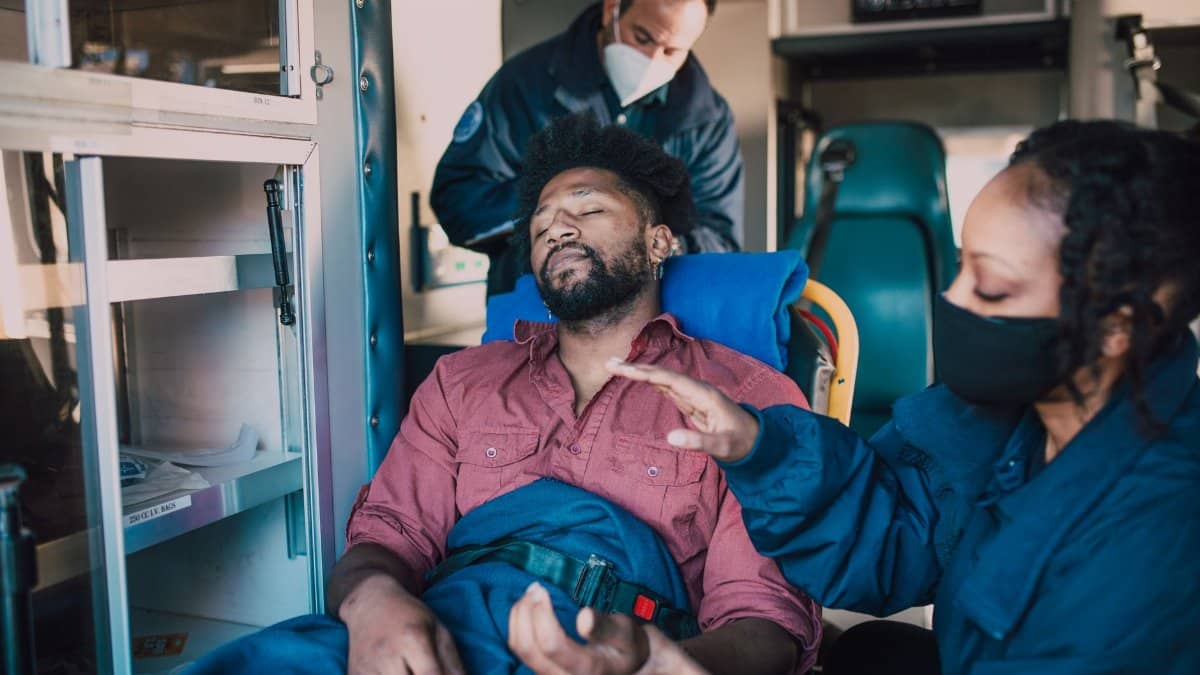
The passenger received treatment for cuts and bruises after the plane landed. Doctors monitored him for effects from the pressure shift and cold air exposure. He remained in stable condition and spoke with investigators about the sudden pull he felt. Family members arrived at the hospital soon after the incident became public.
Broader Questions on Cabin Safety
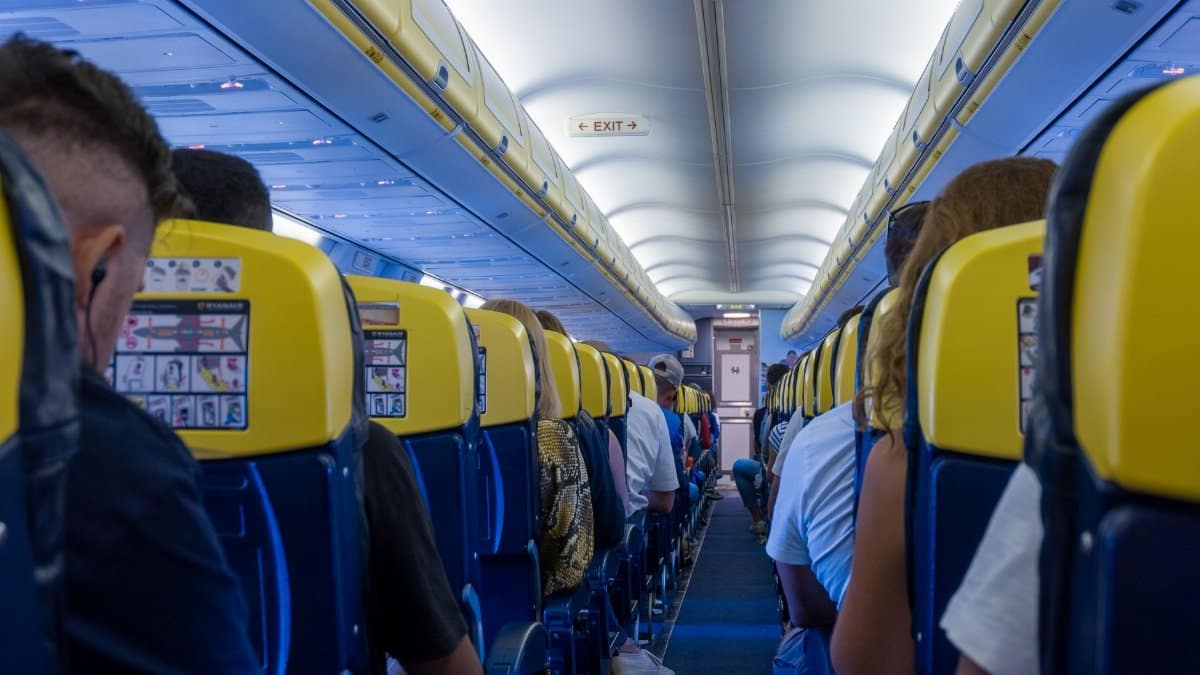
The event prompted discussion among pilots and safety experts about window design standards. Some suggested more frequent inspections for older planes while others focused on passenger briefing improvements. Industry groups reviewed data from pressure tests to see if current rules needed updates. Travelers expressed renewed interest in exit row responsibilities.
Human Resilience in Unexpected Moments
Stories from the flight showed how ordinary people responded with speed and coordination. The willingness to act without hesitation stood out in later interviews. Such responses often surface in aviation accounts where seconds matter. Observers noted the event as another example of community forming under stress.
Lessons for Future Air Travel

Airlines may adjust training to cover rapid window failures more explicitly. Passengers could benefit from reminders about staying seated with belts fastened during ascent. The case also reinforced the value of crew readiness on every route. Overall the response showed systems working alongside individual initiative.