

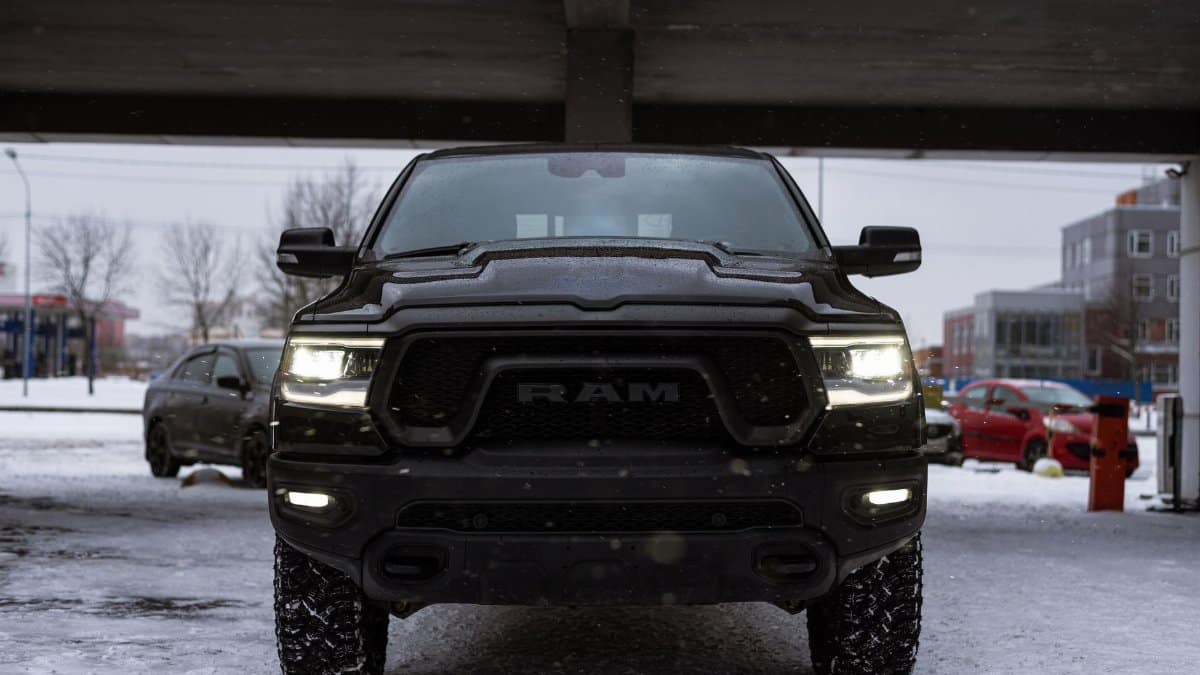
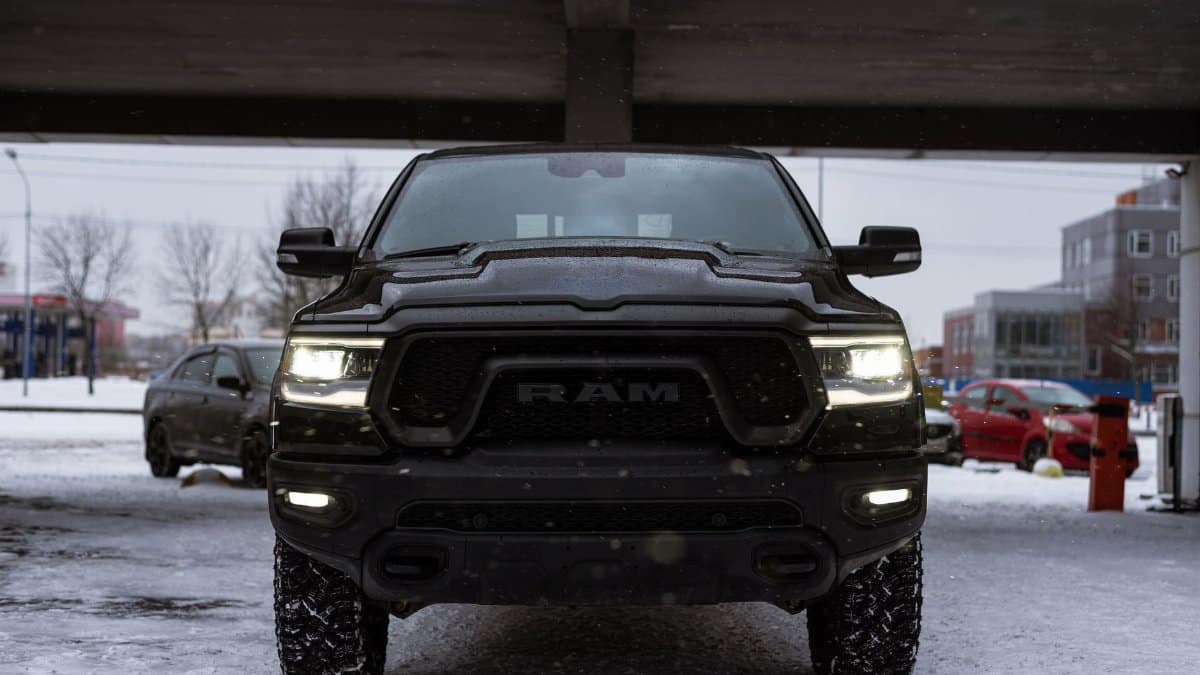
FCA US has issued a significant recall affecting more than twelve thousand Ram 1500 pickup trucks, drawing attention once again to the importance of the Ram vehicles recall process in maintaining road safety standards across the country. The issue centers on headlamp assemblies that may fail to illuminate parking lamps and daytime running lights properly, potentially reducing visibility for drivers and others on the road during low light conditions. This development follows routine inspections by the automaker and highlights how even established manufacturers must continually address component quality in high volume production lines.
Background on the Current Recall Announcement

The National Highway Traffic Safety Administration received formal notification from FCA US earlier this month regarding the affected vehicles. Production dates span a narrow window in recent model years, limiting the scope yet still impacting a meaningful number of owners who rely on these trucks for daily work and family travel. Regulators emphasize that prompt action can prevent minor electrical faults from escalating into broader safety concerns.
Technical Details Behind the Headlamp Problem

Engineers identified a manufacturing variance in the headlamp module that disrupts circuit continuity under certain temperature fluctuations. As a result parking lamps and daytime running lights may not activate consistently when the ignition is engaged. While the primary headlights remain functional in most cases, the partial failure still violates federal lighting requirements and could draw increased scrutiny during routine traffic stops or inspections.
Owner Notification and Repair Timeline

Registered owners of the impacted trucks will receive letters instructing them to visit authorized dealerships for a free inspection and module replacement. Service departments expect the fix to require less than an hour per vehicle once parts arrive. FCA US has already begun shipping updated assemblies to regional distribution centers to minimize wait times for customers scattered across rural and urban areas alike.
Broader Context of Ram Truck Safety History
This latest action fits into a pattern of component focused campaigns that have touched multiple Stellantis brands over the past decade. Electrical systems in particular have prompted several interventions, reflecting the growing complexity of modern vehicle architecture. Industry observers note that such recalls often serve as early indicators of supply chain adjustments needed when suppliers scale up for large production runs.
Potential Driving Risks for Affected Owners

Although no crashes have been directly linked to the headlamp condition so far, reduced lighting can increase the chance of collisions during dawn, dusk, or inclement weather. Fleet managers operating multiple Ram 1500 units have begun internal audits to identify vehicles needing immediate attention before scheduled routes. Individual drivers are advised to test all exterior lights regularly until the remedy is completed.
Regulatory Oversight and Manufacturer Accountability

Federal agencies continue to monitor compliance through quarterly reports submitted by FCA US. Penalties for delayed action remain possible if additional defects surface beyond the current population. Consumer advocacy groups stress the value of transparent communication, urging the company to publish regular progress updates on repair completion rates nationwide.
Advice for Ram Owners Outside the Recall Scope
Even trucks not included in this specific campaign benefit from periodic checks of lighting systems and electrical connections. Independent mechanics recommend verifying bulb seating and harness integrity during oil changes or tire rotations. Staying informed through official government databases helps owners distinguish between isolated issues and larger patterns requiring manufacturer involvement.
Industry Wide Implications for Future Production

Automakers are investing more heavily in automated inspection technologies to catch assembly variances before vehicles leave the plant. The Ram vehicles recall underscores how small deviations in component tolerances can trigger large scale logistics exercises once products reach customers. Suppliers face added pressure to document quality control measures that satisfy both regulators and the buying public.
Looking Ahead at Consumer Confidence Trends

Market analysts will watch sales data in the coming quarters to gauge whether the recall influences buyer perceptions of Ram durability. Positive resolution experiences at dealerships can reinforce loyalty, while delays might prompt some shoppers to explore competing full size pickups. Clear communication from FCA US remains essential in preserving trust among long term truck owners who value reliability above all.