
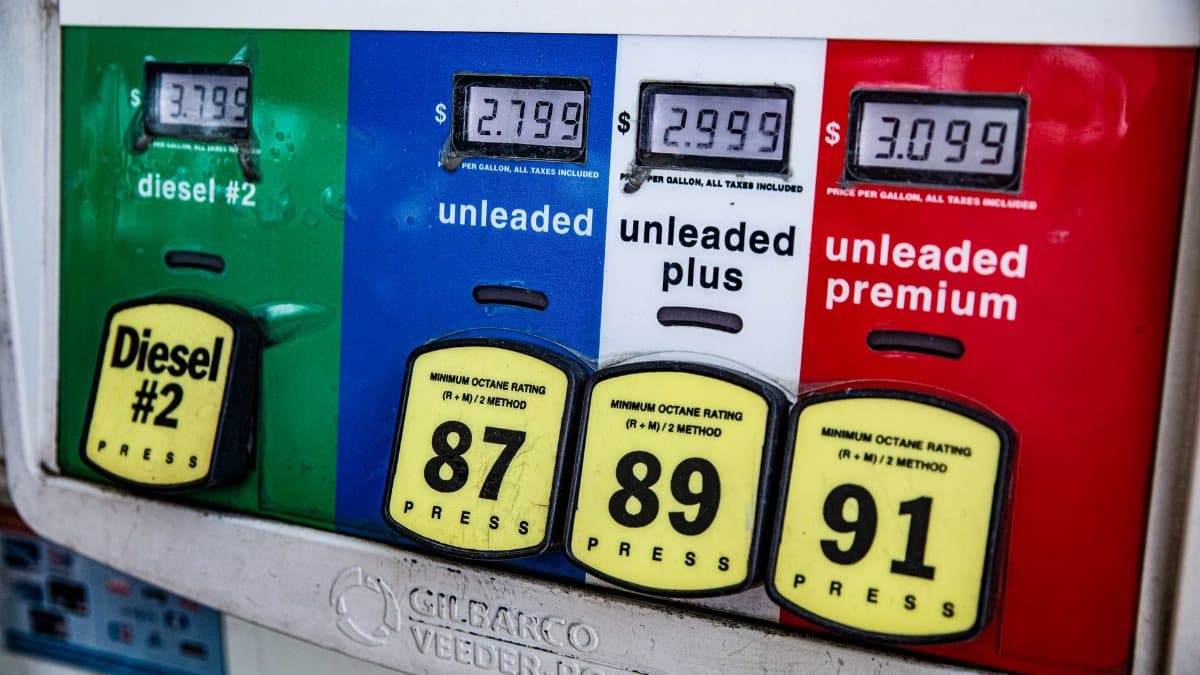
Recent data on vehicle purchases across the commonwealth point to a Massachusetts EV sales slowdown that stands out against the backdrop of climbing gasoline costs at the pump. Industry trackers note that electric vehicle uptake has lost momentum in the state over the past year, even as drivers faced higher expenses for traditional fuel. This pattern raises questions about how quickly the market can shift away from gasoline powered cars. Policymakers had counted on steady growth to meet long term climate targets, yet buyer interest appears to have cooled in ways that few anticipated just a few years earlier.
Registration Figures Highlight Shifting Buyer Preferences

State motor vehicle records indicate fewer new electric models entered service compared with earlier projections. Families weighing options often cite concerns over charging access and total ownership expenses once incentives fade. Many middle income households report that the premium for an electric model still outweighs perceived savings on fuel.
Gas Price Increases Fail to Spur Electric Purchases
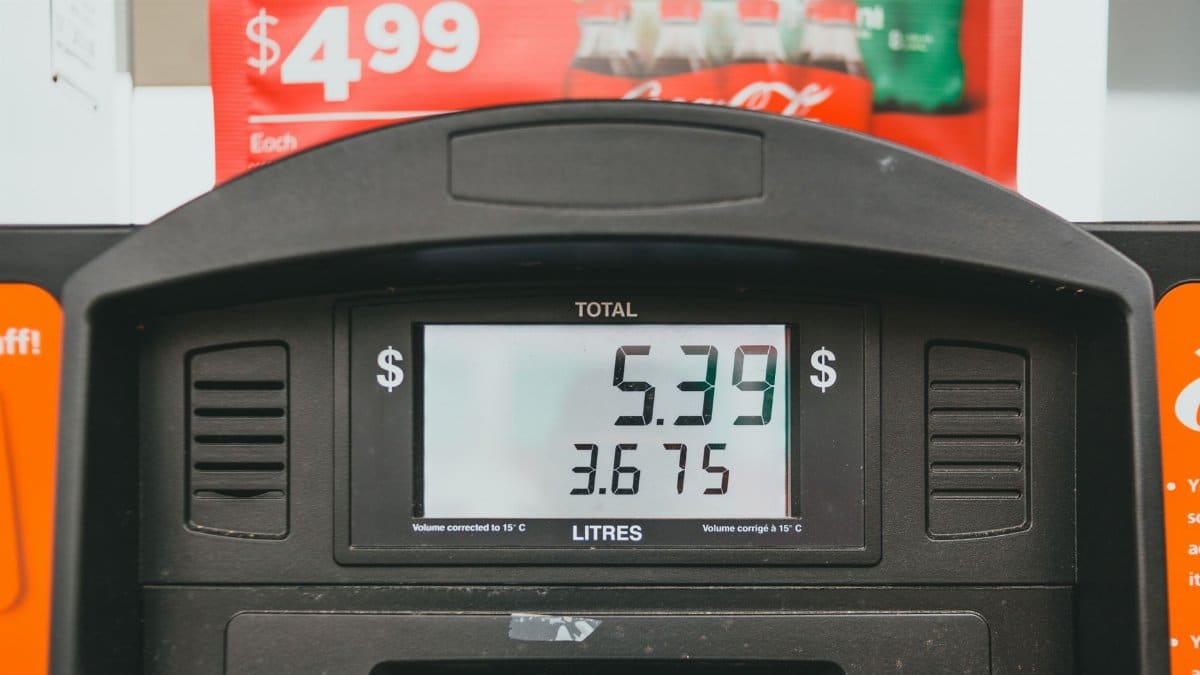
Although pump prices rose noticeably during recent months, the expected surge in electric vehicle interest never materialized. Analysts suggest that buyers view current price levels as temporary rather than a lasting reason to switch powertrains. Dealers describe customers who return to gasoline models after comparing monthly payments and available charging infrastructure.
State Climate Goals Encounter Fresh Obstacles
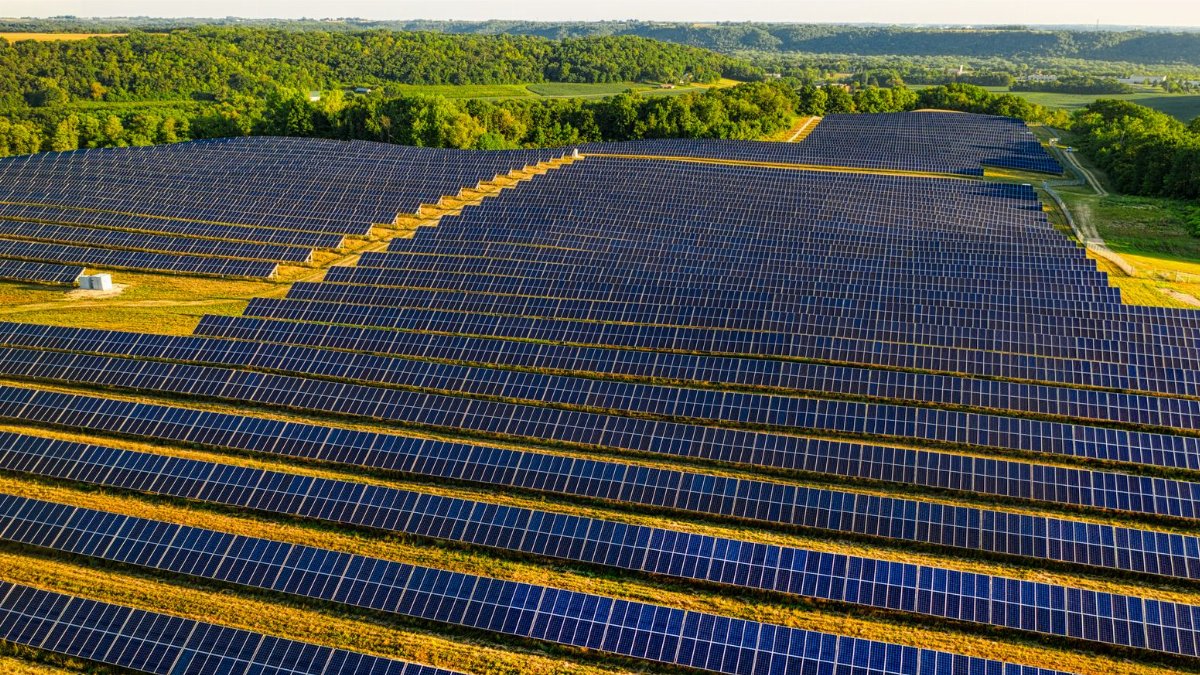
Officials had set ambitious targets that included nearly one million electric vehicles on the road by twenty thirty. The Massachusetts EV sales slowdown now complicates those timelines and forces fresh reviews of incentive programs. Lawmakers must decide whether larger rebates or expanded charging networks can restore earlier momentum.
Charging Infrastructure Remains Uneven Across Regions
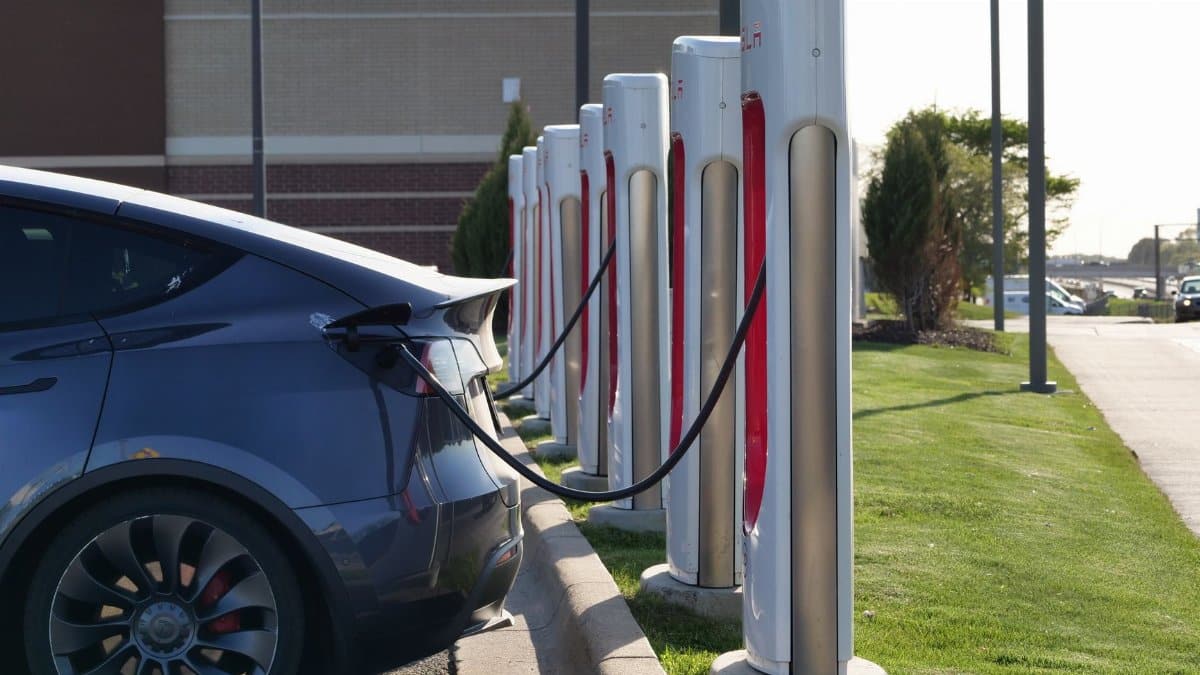
Rural communities and some suburban towns still lack convenient public chargers, leaving potential buyers hesitant. Urban cores show denser networks yet even there apartment dwellers face barriers to home charging. These gaps limit the appeal of electric models for daily commuters who travel longer distances.
Dealer Experiences Reflect Customer Hesitation

Sales staff at multiple dealerships describe longer negotiation periods and more frequent comparisons with hybrid alternatives. Shoppers express worry about battery longevity and future resale values. Some dealers have adjusted inventory levels downward to match slower turnover rates.
Incentive Programs Undergo Close Examination

Current state and federal rebates help lower upfront costs yet many buyers remain unsure about long term reliability. Program administrators track participation rates that have dipped in recent quarters. Adjustments under consideration include tiered credits tied to income and vehicle range.
Consumer Surveys Reveal Range and Cost Concerns

Polls conducted by research firms show persistent anxiety about traveling long distances without adequate charging stops. Upfront prices also rank high among reasons given for delaying a purchase. Education campaigns may help address these perceptions over time.
Broader Market Trends Influence Local Outcomes

National supply chain issues and fluctuating battery material costs affect availability and pricing in Massachusetts as well. Some manufacturers have redirected production toward higher margin models. These moves reduce selection for buyers seeking affordable electric options in the state.
Policy Responses May Shape Future Adoption Rates

Legislators are weighing new measures aimed at expanding workplace charging and offering low interest financing. Partnerships with utilities could accelerate grid upgrades needed for widespread home charging. Success will depend on coordination across multiple agencies and private sector partners.
Outlook for Electric Vehicle Growth in the Region
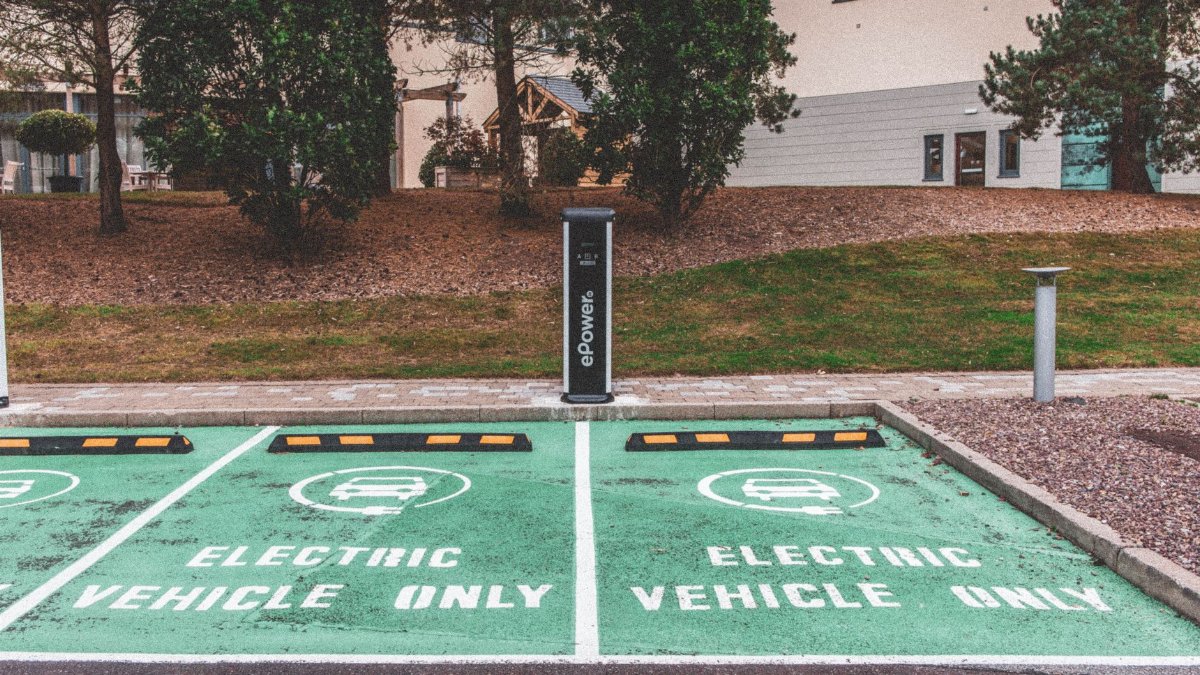
Industry observers expect gradual improvement once more charging locations open and battery costs decline further. The Massachusetts EV sales slowdown serves as a reminder that progress rarely follows a straight line. Sustained attention to infrastructure and buyer education appears essential if earlier targets are to remain within reach.