
In the wake of serious accusations against a rising political figure, two influential voices from across the country have stepped forward to shape the direction of a key Senate contest. Senators Patty Murray and Maria Cantwell of Washington have joined others in pressing for change in Maine, highlighting how personal conduct can alter electoral paths. Their intervention adds weight to discussions around candidate viability and party strategy at a time when voters seek accountability. This situation has drawn attention to the Murray Cantwell Platner drop out as a pivotal moment that could reshape expectations for the race ahead.
Roots of the Allegation and Initial Response

The claim of misconduct surfaced through public statements and prompted swift reactions from party leaders. Graham Platner faced questions about events from years earlier, leading him to address the matter in statements to supporters and the media. Details emerged gradually, with the candidate acknowledging past issues while maintaining his commitment to the campaign initially. Observers noted how such matters often test the resilience of newer entrants in competitive contests.
Role of Washington Senators in National Party Dynamics
Patty Murray and Maria Cantwell bring decades of experience in the upper chamber and represent a state with its own progressive traditions. Their decision to speak on a contest in another region reflects broader concerns about maintaining public trust across Democratic efforts nationwide. Colleagues described the move as consistent with efforts to uphold standards that appeal to moderate voters in swing areas.
Impact on the Maine Electoral Landscape
Maine presents unique challenges with its independent voters and history of split outcomes in federal races. The current bid involves navigating local issues such as economic development and environmental protection. Calls for withdrawal could shift focus toward other potential nominees who might consolidate support more effectively in the general election phase.
Reactions from Local Activists and Voters
Grassroots organizations in Maine expressed mixed views, with some emphasizing the need for thorough review while others prioritized continuity in challenging an incumbent. Town hall meetings and online forums showed residents weighing personal character against policy positions. This dialogue underscored ongoing debates about forgiveness and second chances in public life.
Broader Implications for Candidate Vetting Processes

Political campaigns increasingly rely on detailed background examinations to anticipate controversies. The events surrounding this case may prompt committees to refine their approaches to screening, particularly for first time office seekers. Analysts suggest that early transparency could prevent disruptions later in the cycle.
Media Coverage Patterns and Public Perception
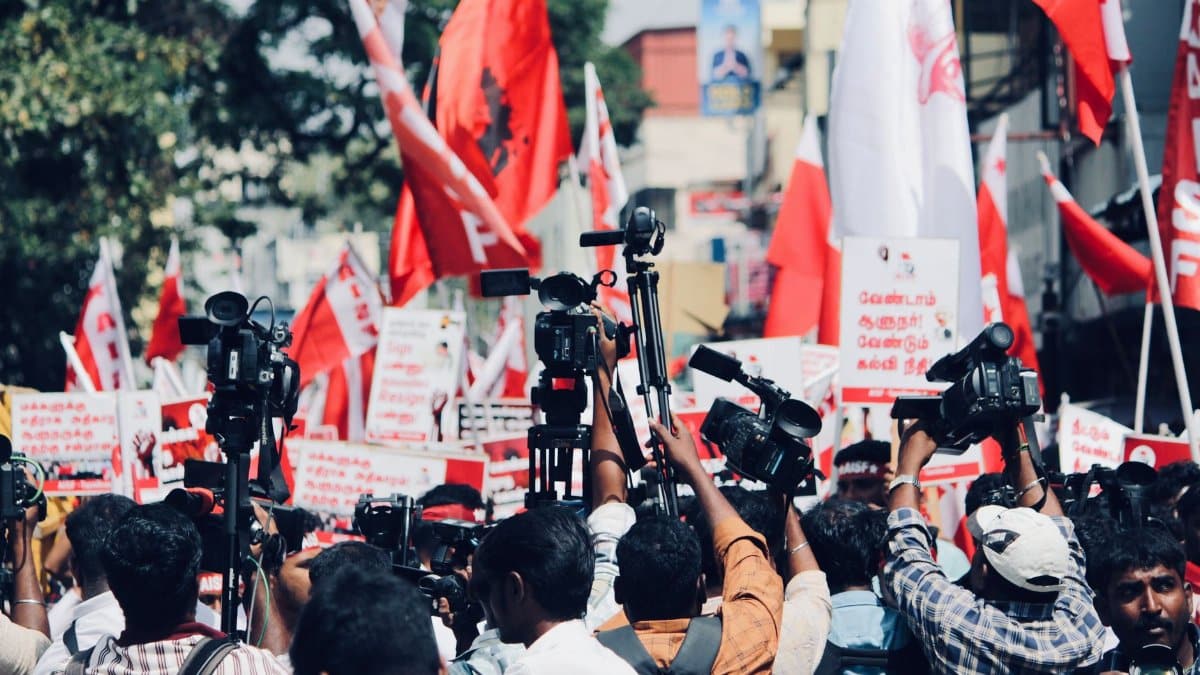
National outlets picked up the story quickly, framing it within larger conversations about accountability in politics. Local coverage tended to emphasize community ties and the candidate record on key state matters. Reader comments revealed a divide between those focused on the allegation itself and those examining the timing of the disclosures.
Potential Successors and Party Strategy Adjustments

With attention now on the Murray Cantwell Platner drop out, party officials began considering alternative voices who could carry forward similar priorities. Names circulated in private discussions included established state legislators and community leaders with proven records. The goal remains securing a nominee capable of uniting factions within the coalition.
Historical Precedents in Senate Withdrawal Cases
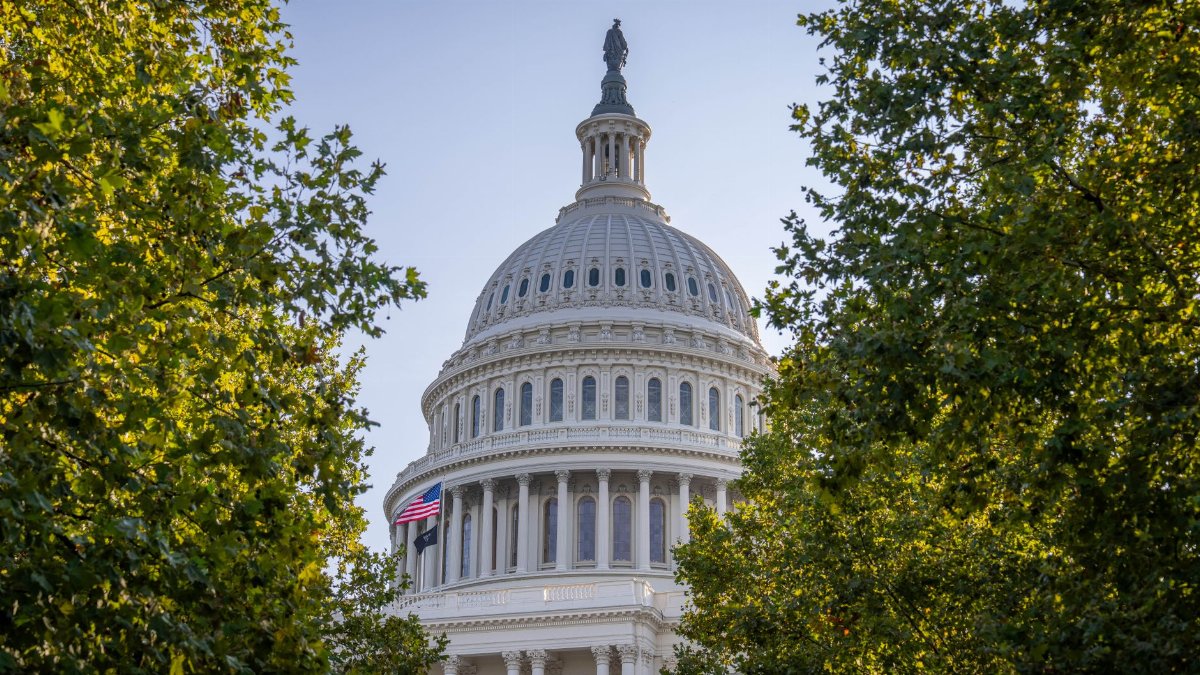
Past instances show that pressure from senior members can accelerate decisions to exit races. Similar situations in other states led to quicker resolutions that allowed parties to refocus resources. Lessons from those episodes include the value of unified messaging to limit damage to down ballot contests.
Future Outlook for Involved Figures

Graham Platner may redirect efforts toward advocacy or local initiatives outside elected office. The Washington senators continue their work on federal legislation while monitoring how the episode influences donor patterns and volunteer engagement. Observers expect the episode to inform approaches to similar challenges in upcoming cycles. The Murray Cantwell Platner drop out serves as a reminder of how individual choices intersect with institutional expectations in American politics.