

As the political calendar advances in Texas largest city, several developments promise to command attention from residents and policymakers alike. Houston City Hall 2026 arrives at a moment of fiscal strain and shifting leadership, with decisions ahead that touch everything from public services to long term planning. Observers note that the coming months will test the ability of elected officials to balance competing demands while preparing for transitions that could influence the region for years ahead.
Addressing the Projected Shortfall in Municipal Funds
City leaders face a reported gap of two hundred twenty seven million dollars in the operating budget. Discussions have centered on identifying revenue sources without raising property taxes beyond current levels. Department heads have been asked to review spending priorities, with particular focus on public safety and infrastructure maintenance. Early proposals include adjustments to fees for certain permits and services, though council members remain divided on the scope of any cuts.
Integrating Newly Elected Council Members
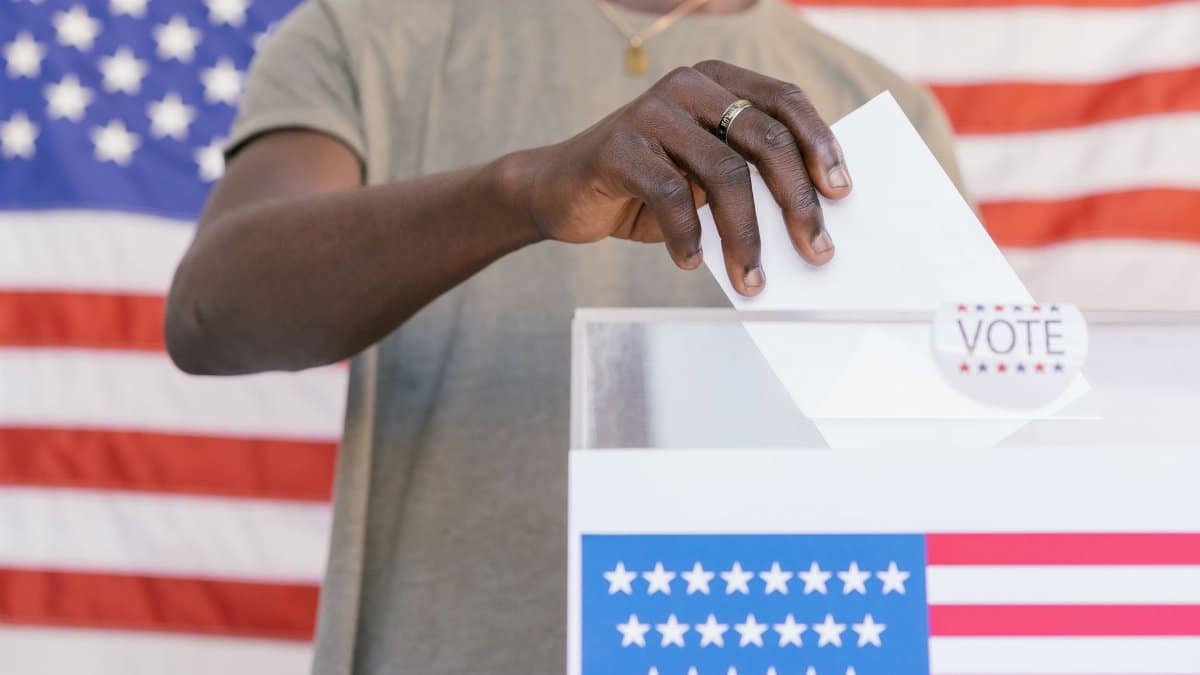
Several districts will seat representatives who bring fresh perspectives from community organizing and business backgrounds. These arrivals coincide with ongoing debates over zoning reforms and neighborhood investment. Orientation sessions are scheduled to acquaint the newcomers with city procedures, while veteran members weigh how the changed composition might affect voting patterns on key measures.
Opening the East End Facility for Temporary Housing
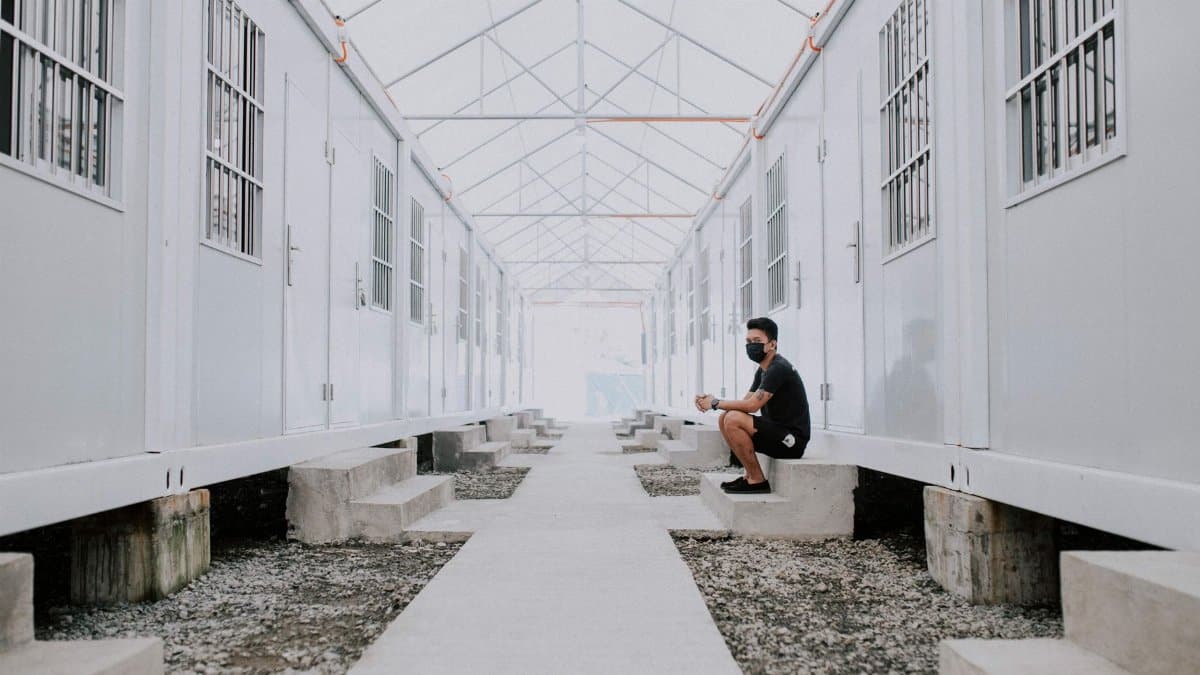
Construction on the new shelter in the East End nears completion, offering capacity for several hundred individuals experiencing homelessness. Program operators have outlined plans for case management and connections to job training. Local advocates have voiced support for the location yet continue to press for additional resources to address root causes such as mental health care access.
Early Signals in the Race for Mayor

Potential candidates have begun quiet outreach ahead of the two thousand twenty seven contest. Fundraising reports and public appearances offer early clues about who might enter the field. Observers expect formal announcements to accelerate once the two thousand twenty six budget process concludes, with attention turning to records on economic growth and equity initiatives.
Evaluating Progress on Infrastructure Upgrades
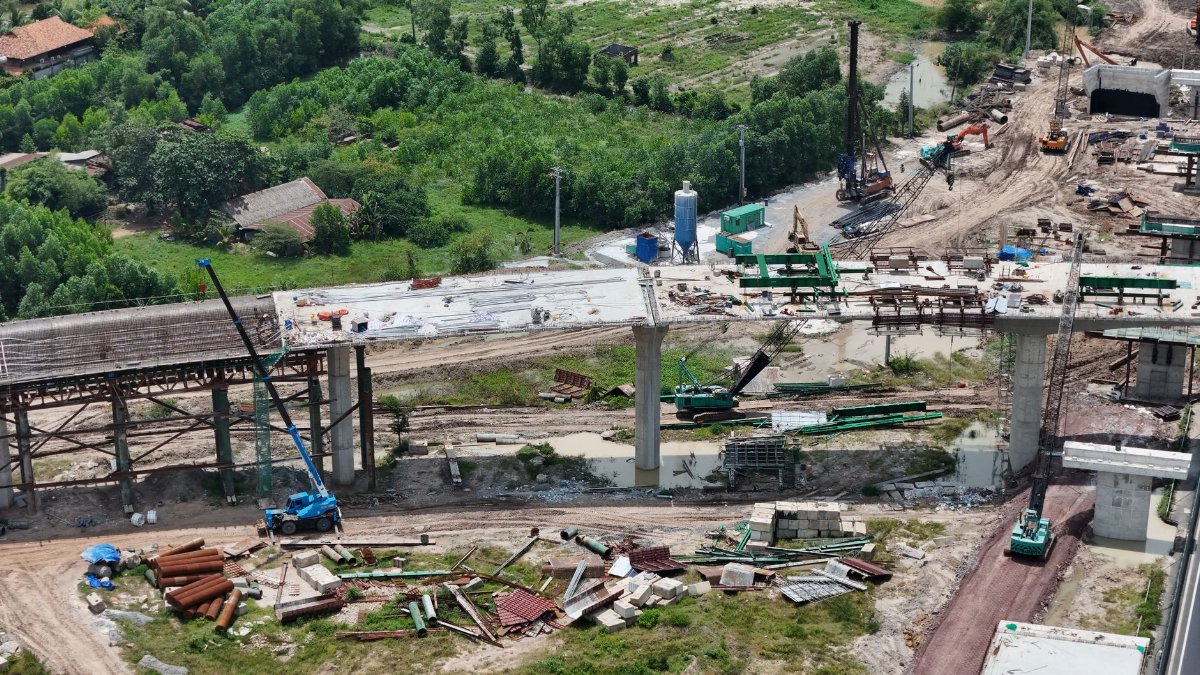
Major projects involving drainage improvements and road repairs remain underway across multiple districts. Funding from federal sources has helped accelerate timelines, though supply chain issues continue to create occasional delays. Residents in flood prone areas have been invited to community meetings to review updated maps and timelines.
Examining Public Safety Trends and Resource Allocation

Crime statistics released in recent quarters show mixed results across categories. Police leadership has requested additional funding for recruitment and technology, while community groups advocate greater emphasis on prevention programs. Council committees plan a series of hearings to assess which strategies yield measurable outcomes.
Considering Environmental and Climate Resilience Measures
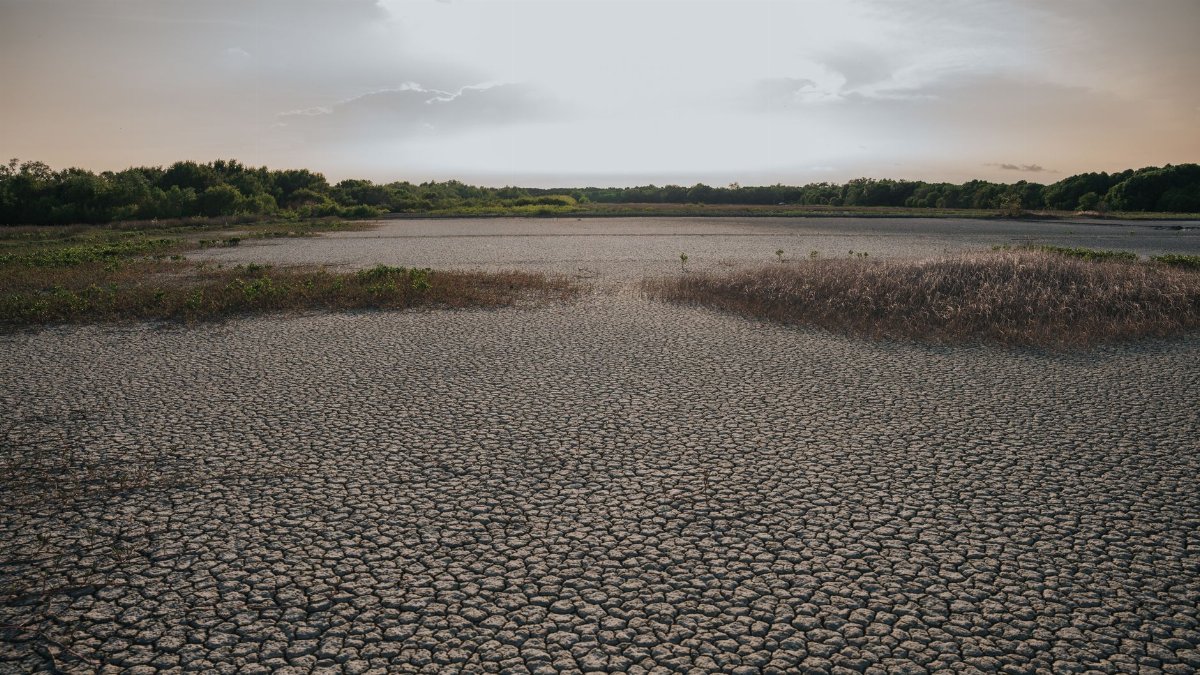
Proposals for expanded green space and updated building codes have surfaced in response to extreme weather patterns. Staff reports highlight both costs and potential long term savings from proactive steps. Business associations have weighed in on how such rules might affect development activity in coming years.
Tracking Community Engagement and Transparency Efforts

Officials have expanded digital platforms for public input on pending ordinances. Attendance at virtual forums has varied, prompting questions about how to reach broader segments of the population. Metrics on response times to resident inquiries are also under review as part of broader accountability discussions.