
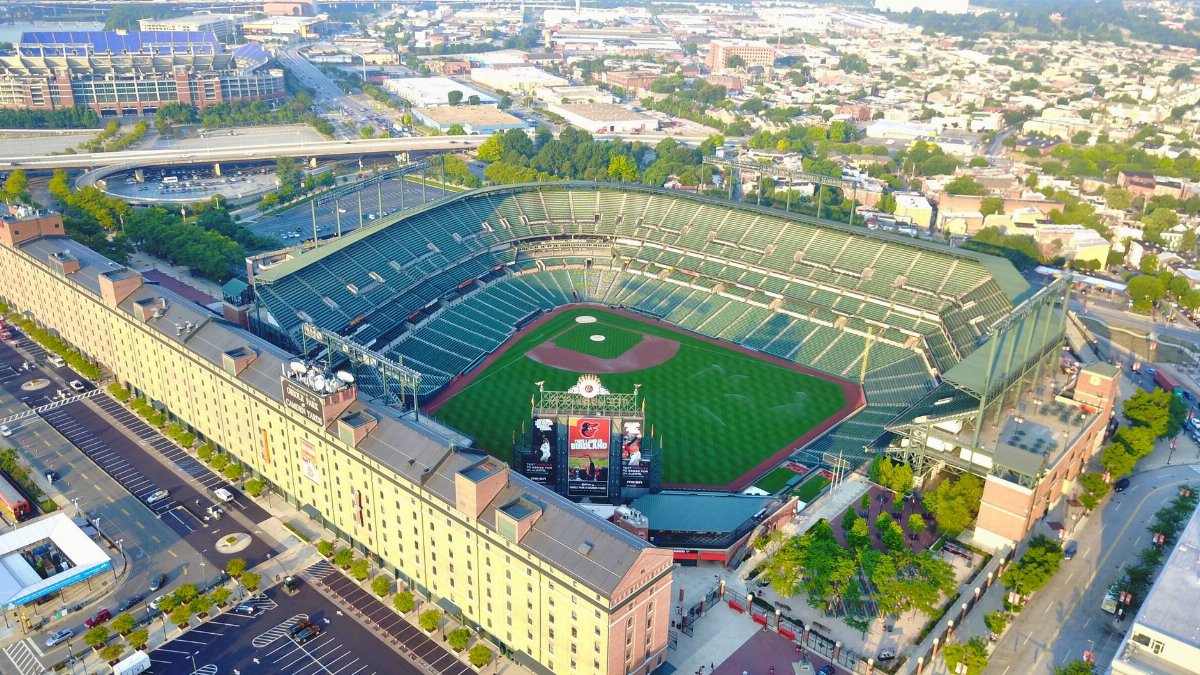
Baseball enthusiasts across the region encountered a notable shift when the orioles cubs schedule change came into play for a contest at the downtown ballpark. Organizers moved the start time forward to one thirty five in the afternoon after forecasters warned of heavy rains and possible lightning later in the day. This adjustment allowed the contest to unfold under clearer skies and preserved the safety of players and spectators alike. The decision reflected standard practices in professional sports where weather often dictates timing. Many longtime supporters welcomed the earlier slot as it aligned better with family routines and evening plans. At the same time the move highlighted how external factors continue to influence even the most carefully planned events in the national pastime.
Weather Patterns Shape Event Timing

Meteorologists had tracked approaching fronts for several days leading up to the matchup. Their models showed strong potential for thunderstorms during traditional evening hours. League officials reviewed the data and coordinated with both clubs to advance the start. Such proactive steps help maintain game integrity while reducing risks associated with wet fields and reduced visibility. Fans who checked updates the night before found the revised time posted across official channels and local broadcasts. The process underscored the growing role of accurate forecasting in modern athletics.
Local Economy Feels Subtle Effects

An earlier start drew different crowds to surrounding businesses. Restaurants near the ballpark reported steadier lunch traffic as supporters arrived earlier than usual. Vendors selling merchandise adjusted their hours to match the new window. Parking operators noted changes in peak demand which affected staffing needs. These small ripples illustrate how one timing decision can touch multiple parts of a city economy.
Fan Routines Adapt to New Window

Supporters who normally finished work before heading downtown faced fresh logistics. Some took half days while others arranged remote participation for the first few innings. Families with children found the daylight hours more convenient for younger attendees. Traffic patterns shifted as commuters avoided later rush periods around the stadium area. Many described the change as minor yet noticeable in their daily flow.
Player Preparation Remains Steady
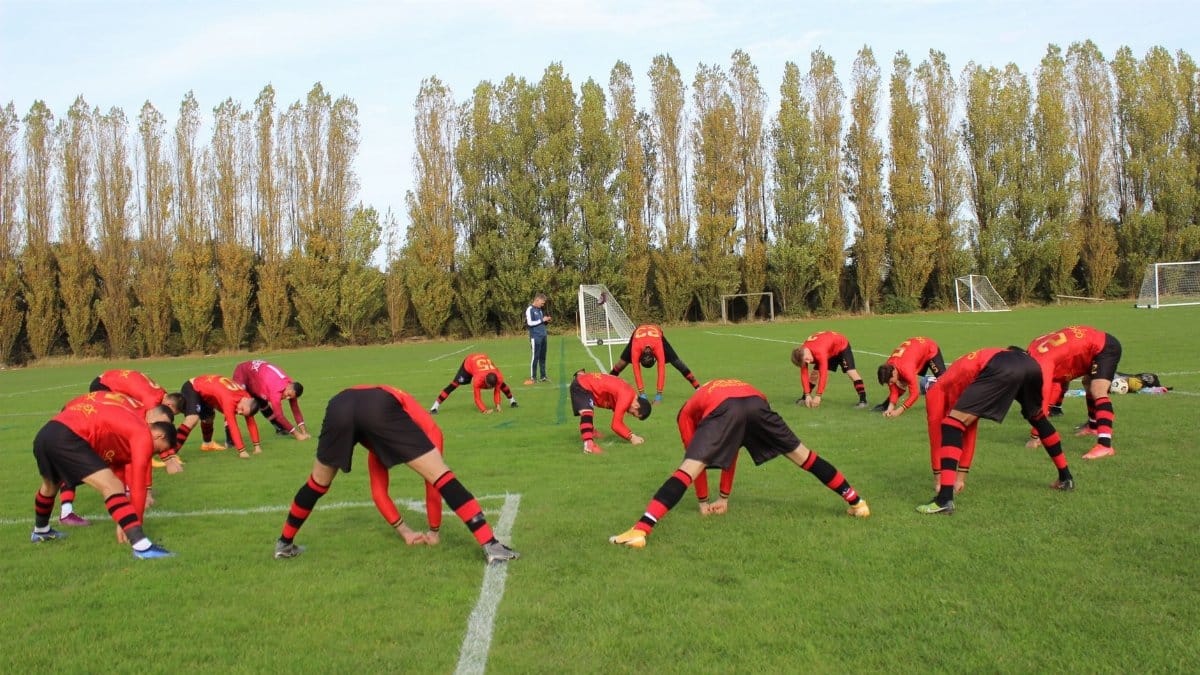
Both teams received the update with ample notice and maintained their standard routines. Pitchers warmed up under afternoon light rather than under lights. Position players reported no major disruption to their pregame regimens. Managers emphasized that professional athletes train to handle variable conditions. The focus stayed on execution rather than external adjustments.
Media Coverage Adjusts Its Approach

Broadcasters reworked their pregame shows to fit the condensed window. Print outlets updated stories and digital platforms pushed alerts to readers. Analysts discussed how daylight might alter strategy compared with typical night contests. The coverage maintained its depth while accommodating the revised schedule.
Historical Precedents Offer Context
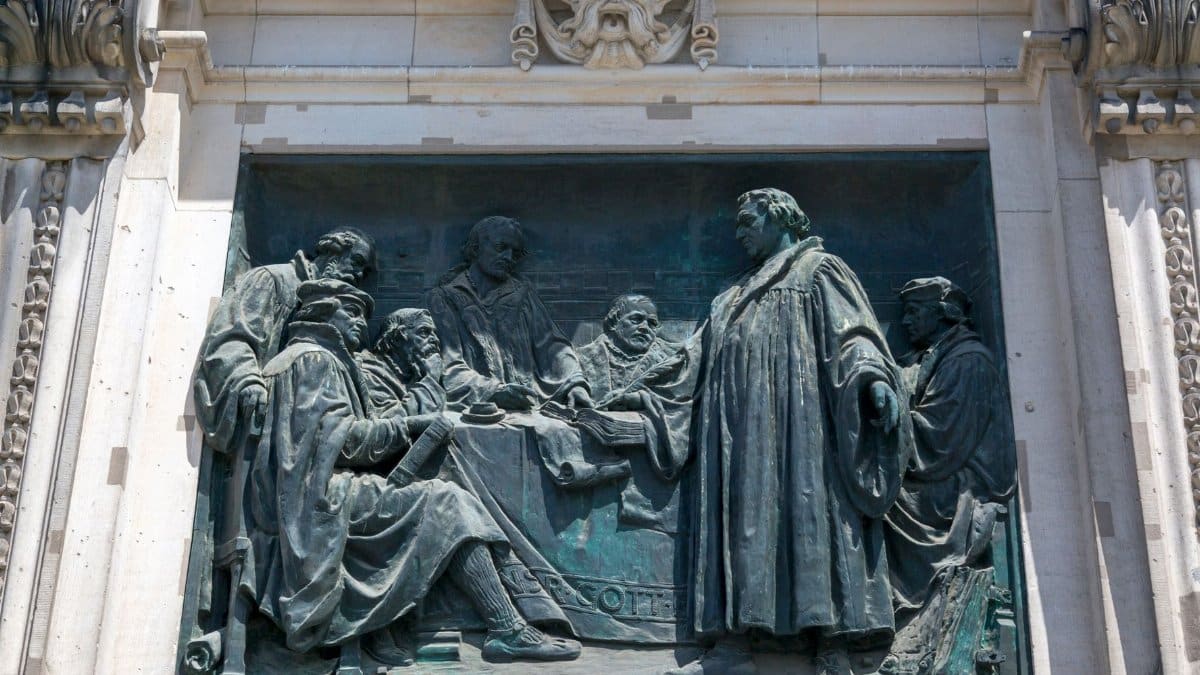
Similar moves have occurred in past seasons when storms threatened key dates. Records show that advancing start times often preserves attendance figures better than postponements. Teams and leagues have refined communication methods over time to keep everyone informed. These patterns reveal an ongoing balance between tradition and practicality in the sport.
Future Scheduling May Evolve Further

Officials continue to examine ways to build flexibility into calendars. Advanced weather tools could allow even earlier announcements. Discussions include potential doubleheaders or flexible dates in extreme cases. The goal remains to deliver consistent entertainment while respecting natural elements.
Community Reactions Highlight Resilience
Local groups organized watch parties that began in the afternoon instead of evening. Schools near the ballpark adjusted aftercare programs to accommodate interested students. The overall mood stayed positive as people focused on enjoying the contest itself. Such adaptability reflects the deep roots baseball holds in the area.