

In the ornate chambers of the Florida Capitol a governor put pen to paper and set in motion a fierce contest over political boundaries. The action came swiftly after lawmakers approved new lines for congressional districts. Lawsuits followed within hours as advocacy groups argued the changes breach state rules meant to ensure fair representation. This sequence highlights the intense stakes tied to the Florida redistricting map and the balance of power in a pivotal state.
Background on the Legislative Process
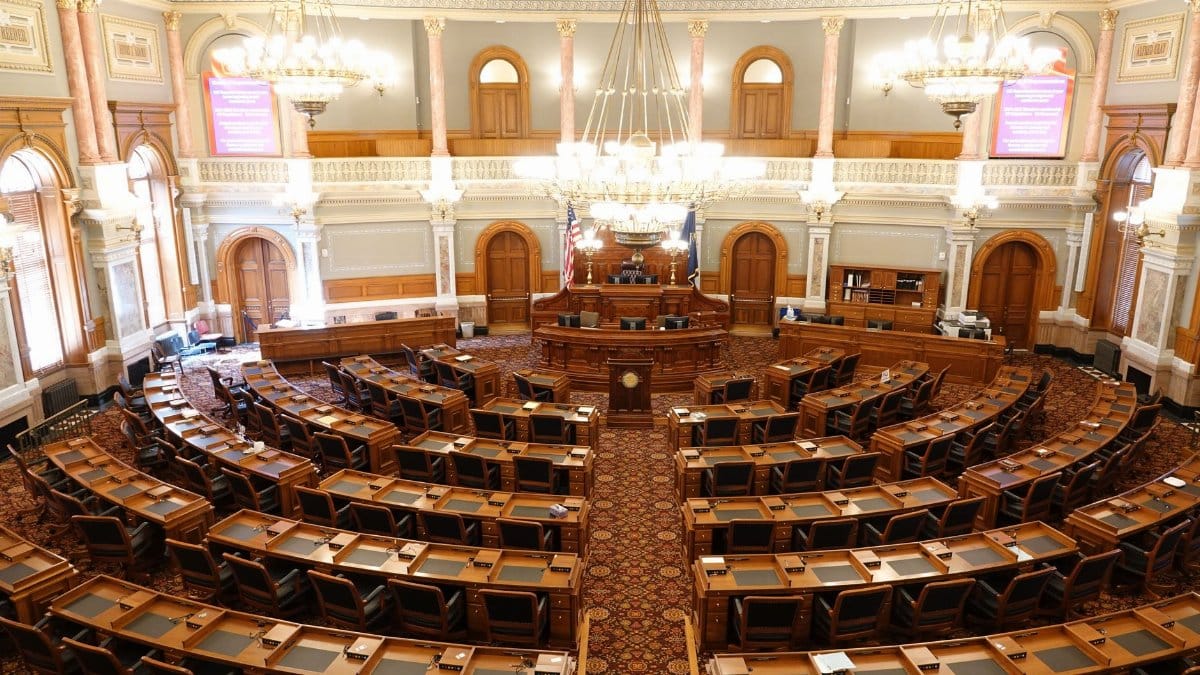
Florida lawmakers spent weeks shaping the proposal in committee rooms and floor debates. The final version reached the governors desk after party line votes in both chambers. Supporters described the effort as a routine update to reflect population shifts recorded in the recent census. Critics countered that the lines favor one party in ways that sidestep earlier voter approved protections.
Details of the New District Boundaries

The adopted plan alters several districts across the peninsula. Northern and central areas see adjustments that consolidate certain voter groups while southern coastal zones undergo more subtle shifts. Analysts note the configuration could strengthen holds in seats currently held by Republicans and open paths to additional gains in the next election cycle.
Potential Shifts in Congressional Representation

Early projections suggest the boundaries may help one party secure up to four more seats in the United States House. This outcome would expand influence in national policy debates ranging from spending priorities to regulatory oversight. Observers point out that such changes often determine which voices carry greater weight in closely divided Congresses.
Legal Arguments Against the Plan

Plaintiffs claim the map violates the Fair Districts Amendment approved by voters more than a decade ago. That measure sought to bar maps drawn mainly to benefit or hurt a political party or incumbent. Attorneys for the challengers plan to present evidence of irregular shapes and voting patterns that they say reveal improper intent.
Defense Offered by State Officials

Administration representatives maintain that the lines follow traditional criteria such as compactness and respect for county lines. They argue the maps respond to demographic changes and reject accusations of partisan engineering. Court filings emphasize that legislators hold wide latitude when drawing districts under federal and state law.
Reactions from Advocacy Organizations

Groups focused on voting rights expressed alarm and pledged resources for prolonged litigation. Some community leaders in affected areas organized forums to explain possible impacts on local concerns like schools and infrastructure funding. Others see an opportunity to mobilize residents ahead of upcoming primaries.
Broader National Implications

Florida serves as a testing ground for redistricting strategies that may spread to other states. Success or failure here could influence similar efforts elsewhere and shape the composition of the House for the remainder of the decade. Political strategists watch closely for signals about how courts will treat claims under state fairness provisions.
Next Steps in the Court Proceedings

Judges in state and federal venues will soon hear arguments on motions for temporary blocks. Hearings could stretch through the summer with appeals likely to follow initial rulings. The timeline creates uncertainty for candidates planning campaigns under the new lines.
Public Engagement and Voter Awareness

Residents have begun reviewing interactive tools that display the proposed boundaries alongside current ones. Community meetings draw steady attendance as people seek clarity on how their neighborhoods fit into larger districts. Such participation underscores ongoing interest in how maps translate into political voice.