

In the world of rock and roll, few voices have captured the spirit of the 1980s quite like that of Huey Lewis, whose band delivered anthems that filled arenas and airwaves alike. Yet behind the bright lights and chart success lies a quieter chapter defined by Huey Lewis hearing loss, a condition that forced the singer to confront the limits of his craft after years of performing. This shift has led him toward new pursuits while his creative legacy continues in unexpected forms.
Early Career Foundations in the Bay Area

Huey Lewis built his reputation through steady performances in San Francisco clubs during the late 1970s. His band developed a sound rooted in rhythm and blues that connected with local audiences before expanding nationally. This period established the foundation for later mainstream success without relying on flashy trends.
Rise Through Hit Albums and Tours

Multiple platinum records followed in the 1980s, each one driven by straightforward songwriting and energetic live shows. Concert attendance grew as radio play increased, turning the group into a reliable draw across the country. The music emphasized clear vocals and horn sections that stood out in an era of synthesizers.
Sudden Health Changes Interrupt Momentum

By the mid 2010s, balance issues and distorted sound began affecting stage work. Medical evaluation confirmed Ménière’s disease as the cause, bringing unpredictable episodes that made live singing unreliable. These developments arrived after decades of consistent touring.
Diagnosis and Daily Management Efforts

Treatment focused on diet adjustments and medication to reduce fluid pressure in the inner ear. Regular monitoring became necessary to track fluctuations in hearing levels. The condition required ongoing attention that altered travel schedules and performance planning.
Decision to Step Away From Live Shows

After careful consideration, Lewis concluded that touring no longer aligned with his health needs. He has described the change as complete, noting that music no longer forms part of his routine activities. This choice came after nearly nine years of managing severe symptoms.
Shift Toward Outdoor Pursuits

Fly fishing emerged as a primary interest, offering time on rivers in Montana and California. The activity provides a different rhythm, centered on patience and observation rather than amplification. Lewis has spoken about finding satisfaction in these quieter settings.
Broadway Musical Continues the Legacy
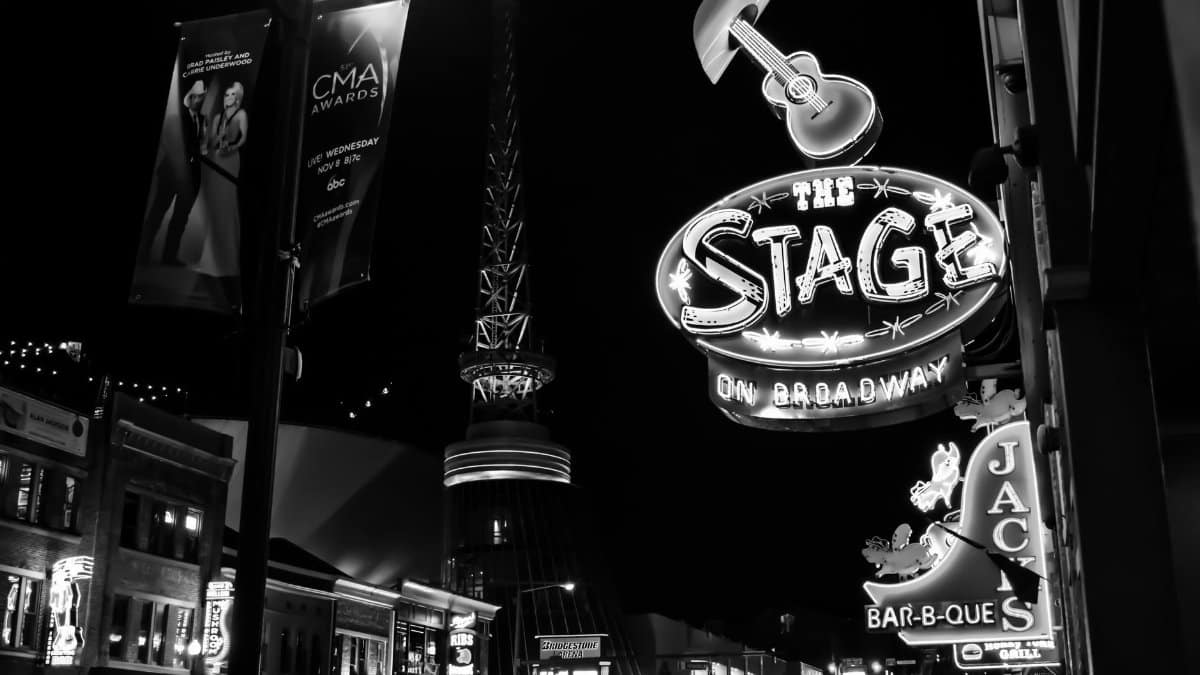
A stage production based on the band catalog opened to audiences and maintained strong attendance. The show adapts familiar songs into a narrative format that reaches new generations without requiring the original performers onstage. Licensing arrangements ensure the music remains accessible.
Industry Conversations on Hearing Health

Other musicians have shared similar experiences with hearing conditions, prompting discussions about protection during rehearsals and tours. Recommendations include custom earpieces and scheduled rest periods. These practices aim to extend careers while addressing cumulative exposure risks.
Family Support and Personal Adjustments

Close relatives assisted during the transition away from performing. Daily routines incorporated rest and reduced travel to accommodate varying symptom intensity. The emphasis moved toward sustainable habits rather than high intensity schedules.
Public Statements and Media Appearances

Interviews have allowed Lewis to explain the medical background and current outlook. He has expressed gratitude for past opportunities while accepting the present circumstances. Such comments have appeared in regional outlets covering the Bay Area music scene.
Future Outlook for the Artist

Lewis continues selective involvement in projects that avoid live performance demands. His focus remains on personal interests and oversight of existing catalog rights. The experience illustrates how health factors can redirect established careers in the arts.