

In a San Francisco courtroom this past week an East Bay resident learned the price for a calculated theft of historic documents from a major university collection. Prosecutors described how the man had slipped away with irreplaceable Chinese manuscripts that belonged to UCLA, an act that prompted federal charges and ultimately the East Bay manuscript theft sentencing now on record. The case drew attention from scholars who worry about the safety of similar holdings nationwide and from librarians who must balance public access with protection of fragile items.
The path to federal charges
Investigators traced the missing items through auction records and private sales that surfaced months after the volumes disappeared from a restricted area of the UCLA library. Court filings showed the defendant had visited the campus repeatedly under the guise of academic research before the items vanished. Federal agents executed a search warrant at his East Bay residence and recovered several manuscripts wrapped in protective cloth inside a storage unit.
Profile of the individual involved

Public records identify the defendant as a resident of Alameda County with a longtime interest in Asian antiquities. He had no prior criminal record yet had cultivated contacts among rare book dealers on both coasts. Friends described him as quiet and knowledgeable about calligraphy styles from the Ming and Qing eras, interests that apparently turned into an opportunity for personal gain.
Contents of the stolen collection
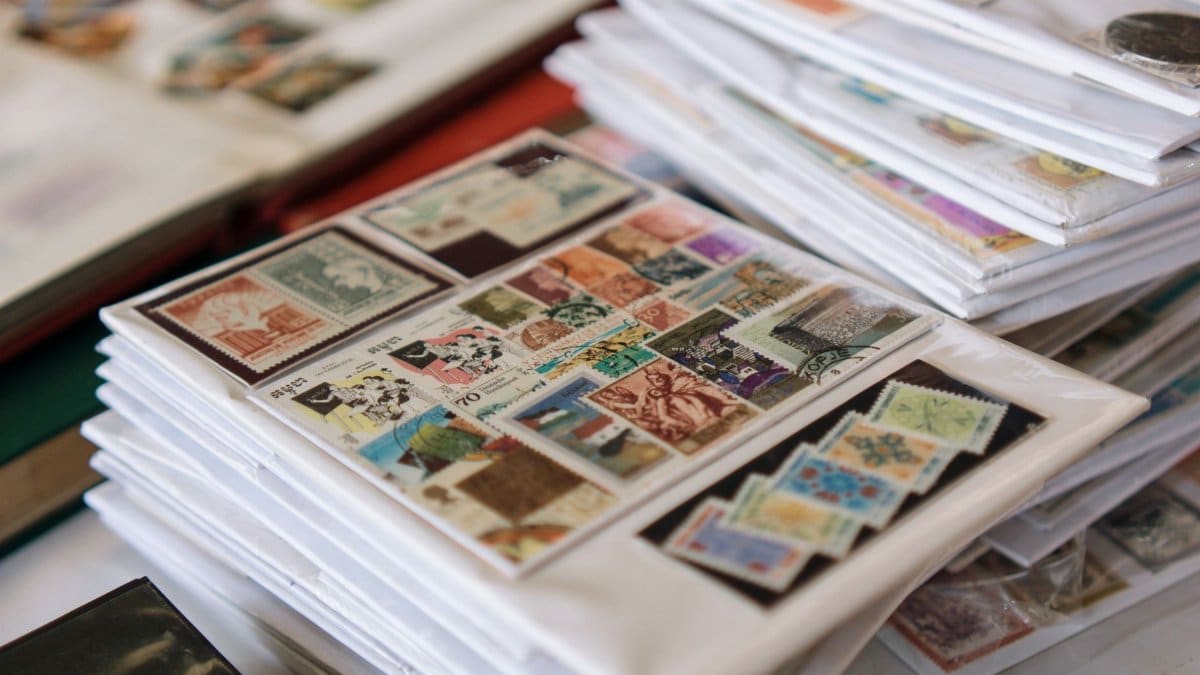
The recovered manuscripts include handwritten commentaries on classical poetry and administrative records from the late imperial period. Each volume carries unique marginal notes by scholars whose identities remain under study. Their combined market value exceeds several hundred thousand dollars, though experts emphasize that cultural worth far surpasses any dollar figure assigned at auction.
How the library discovered the loss

Staff noticed discrepancies during a routine inventory of restricted materials. Missing call slips and altered catalog entries pointed to an inside job rather than a break in. Surveillance footage later confirmed the defendant had lingered near the storage area on multiple occasions without signing the required researcher log.
Arguments presented at sentencing

Defense counsel asked for leniency citing the defendant’s cooperation in returning the items and his lack of previous offenses. Prosecutors countered that the theft represented a deliberate breach of trust that endangered shared heritage. The judge weighed these factors along with letters from historians who described the manuscripts as essential for ongoing research projects.
Broader effects on campus security

UCLA has since installed additional cameras and revised sign in procedures for rare materials. Similar institutions across California have requested briefings on the methods used in this theft. Library associations now discuss uniform standards for tracking high value items that previously relied on honor systems.
Views from the scholarly community
Professors who depend on these manuscripts expressed relief that the volumes returned intact yet voiced concern over future attempts. One specialist at Stanford noted that digital scans help but cannot replace physical examination of paper, ink and binding techniques that reveal provenance details.
Legal precedents in manuscript cases

Federal sentencing guidelines for theft of cultural property allow judges wide latitude. Past cases involving university archives have resulted in prison terms ranging from probation to several years depending on the scale of loss and degree of planning. This East Bay manuscript theft sentencing falls within that spectrum and may influence how future incidents are charged.
Community response in the East Bay

Local residents expressed surprise that such an incident originated in their area. A neighborhood bookstore owner who knew the defendant said the episode serves as a reminder that even quiet collectors can cross lines when market pressures rise. Community forums have begun exploring ways to support legitimate scholarship while discouraging illicit trade.
Next steps for the recovered items
After authentication the manuscripts will return to UCLA under tighter controls. Conservators plan minor repairs to bindings damaged during storage. Digital images will be made available to researchers worldwide, a step intended to reduce demand for physical access to the originals.