
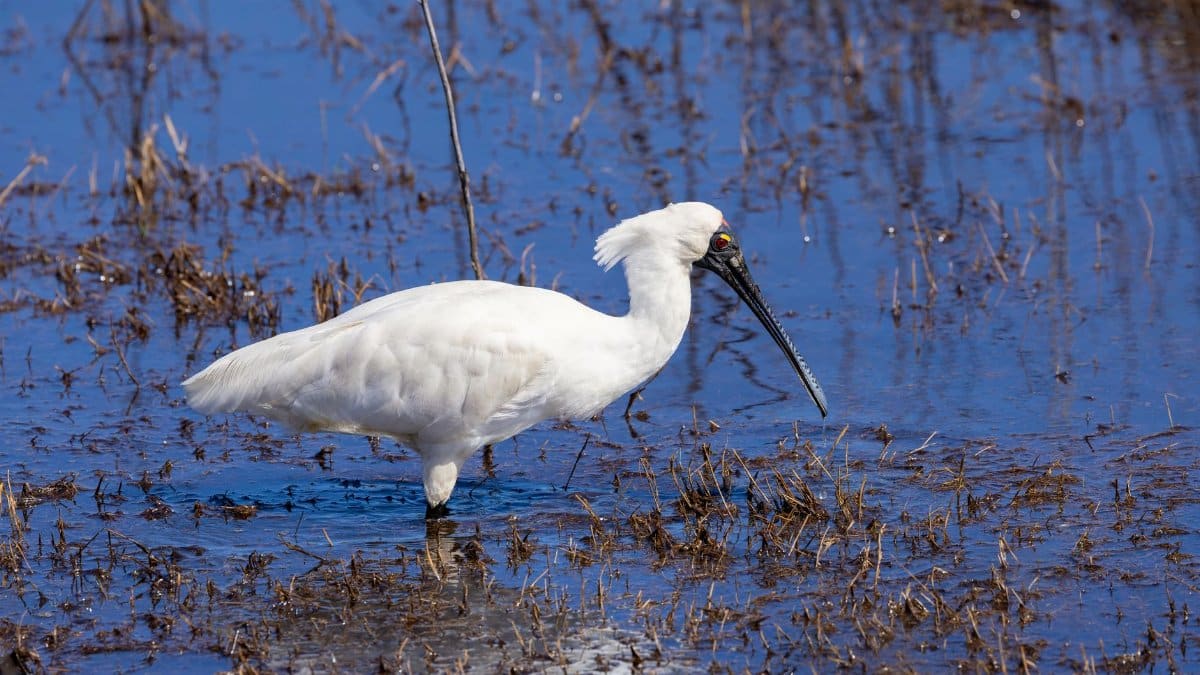
As the morning light filters across flooded wetlands near the coast of Florida a flash of pink cuts through the mist. Roseate spoonbills once tied to remote mangrove islands now appear in places farther from the shore where fresh water still flows. This movement reflects broader pressures captured in the phrase Everglades spoonbills climate and points to how wildlife adjusts when familiar habitats become less stable.
Waters Advance Across Coastal Marshes
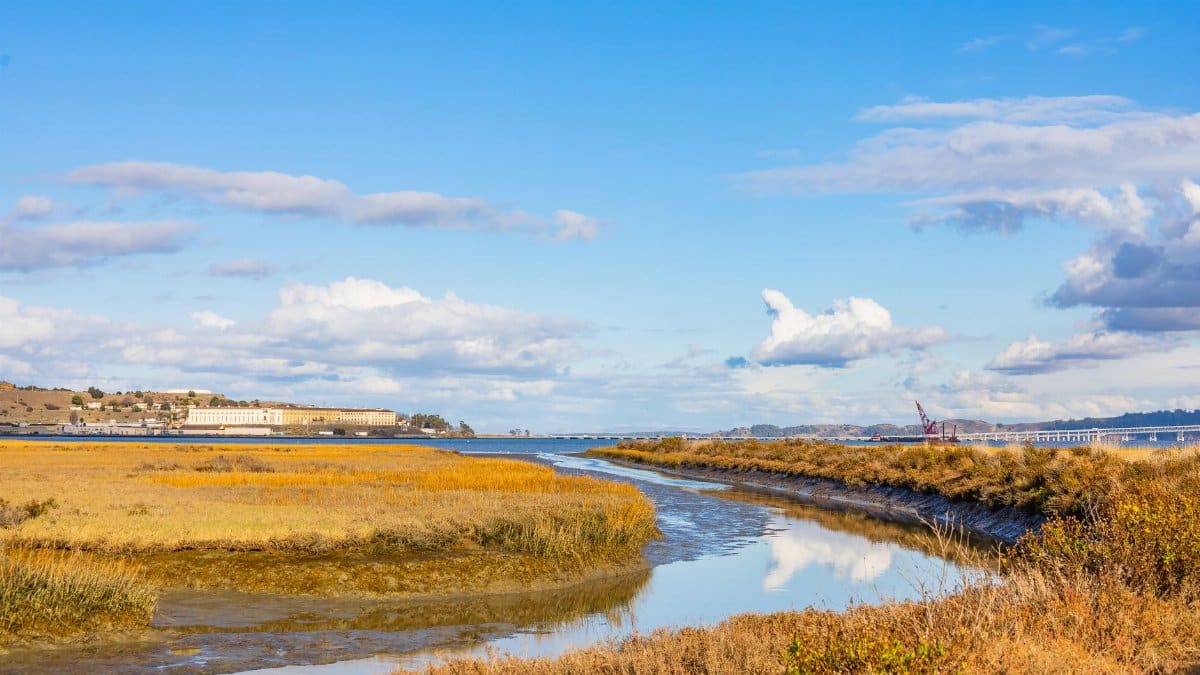
Higher tides push salt water into areas that once held lower salinity levels. Birds that build nests on low platforms find fewer secure sites each season. Over time the gradual intrusion alters plant cover and reduces the insects and small fish that support young spoonbills during their first weeks.
Nesting Counts Reveal Inland Movement
Surveys completed in 2026 recorded more pairs settling along interior canals and tree islands. These locations sit beyond the reach of daily tidal flooding yet remain connected to feeding grounds. The shift suggests the species can locate suitable conditions when original sites lose their former advantages.
Changes in Food Availability Drive Decisions
Spoonbills sweep their bills through shallow water to capture prey. As salinity rises many of their preferred crustaceans move or decline. Inland ponds and sloughs still hold the smaller fish and invertebrates the birds need so pairs explore these new stretches during breeding months.
Role of Temperature Patterns in Timing
Warmer months arrive earlier and extend the window for nesting activity. Adults arrive at colonies sooner and begin courtship displays while water levels remain favorable. This adjustment helps match chick rearing with peaks in food supply though sudden rains can still disrupt the cycle.
Interactions With Other Wading Species
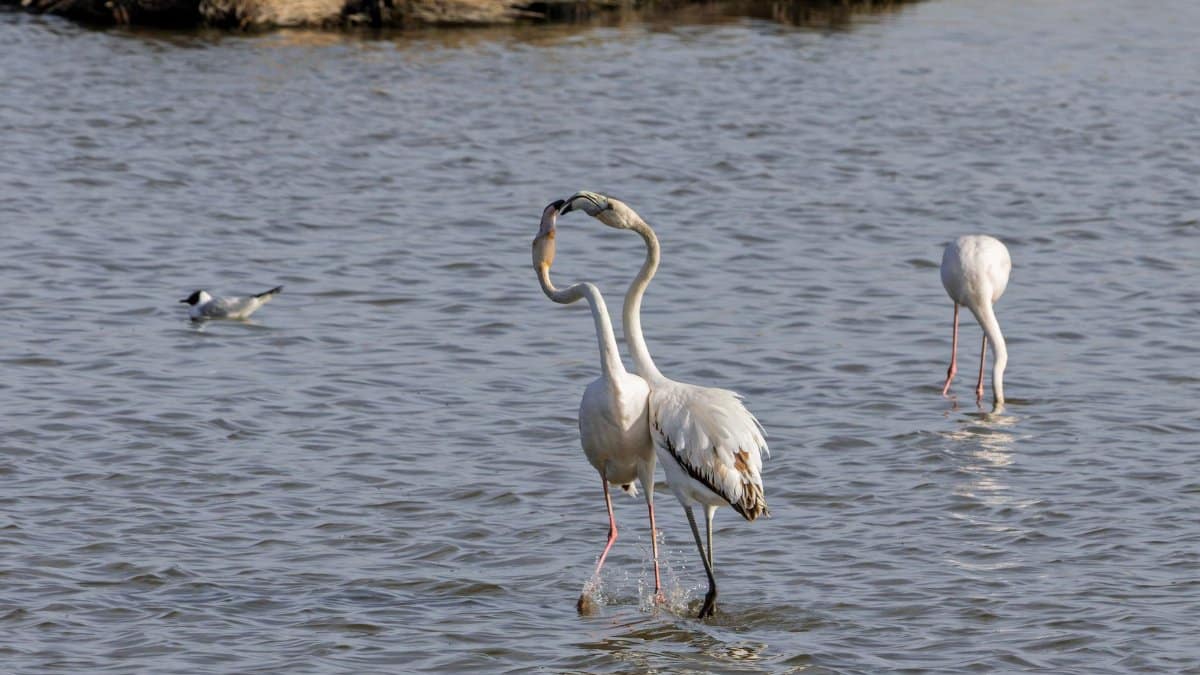
Wood storks and herons share the same wetlands and sometimes compete for space on limited tree limbs. Spoonbills tend to select slightly lower branches which can reduce conflict. Observers note that mixed colonies still thrive when overall water conditions support multiple species at once.
Monitoring Programs Track Population Trends

Teams from state agencies and universities visit colonies by airboat each spring. They count nests record chick survival and map locations with GPS units. The resulting data sets allow comparison across decades and help identify which areas remain productive under changing conditions.
Local Residents Notice New Sightings

People who fish or paddle in the interior Everglades report seeing the distinctive pink birds more often near residential canals. Some welcome the color against green sawgrass while others wonder how long the birds will stay if water management changes again. These casual observations add detail to formal surveys.
Restoration Projects Offer Mixed Outcomes

Efforts to redirect fresh water toward coastal zones aim to rebuild salinity gradients. In some places the work improves nesting conditions for spoonbills while in others it creates deeper channels that reduce shallow foraging areas. Long term success depends on balancing multiple goals including flood control and drinking water supply.
Broader Implications for Regional Biodiversity
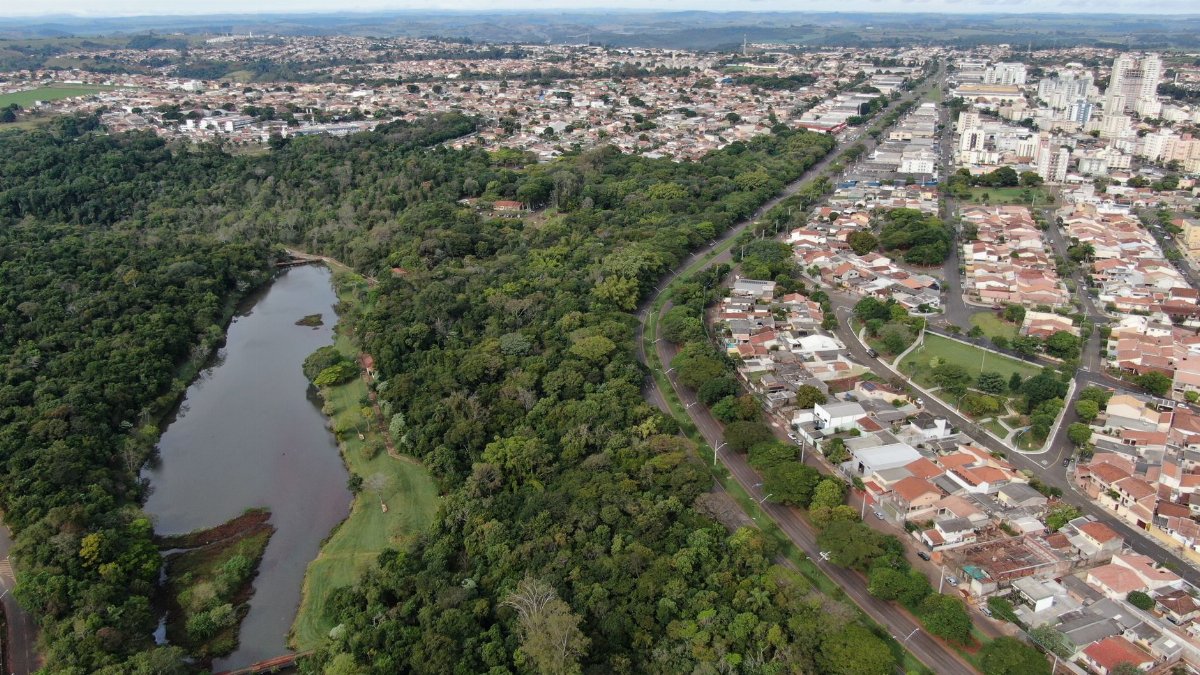
When one visible species relocates it signals shifts that affect plants insects and fish throughout the food web. Continued study of Everglades spoonbills climate interactions can guide decisions about land acquisition and water releases. Such steps help maintain the mosaic of habitats that support both resident and migratory birds.